




Magnesium often flies under the radar as a vital nutrient despite its critical role in over 300 bodily processes. From regulating blood sugar and blood pressure to supporting nerve function, bone health, and even stress response, magnesium is essential for keeping our bodies humming along smoothly. Unfortunately, research shows that fewer than half of adults in the United States meet their daily magnesium needs. The good news? Boosting your intake doesn’t require supplements – incorporating more magnesium-rich foods into your diet can make a big difference.
And what better way to add both flavor and nutrients than through an abundance of vibrant vegetables? Here are 11 powerhouses packed with magnesium, ready to help you reach your daily goal:
Leafy Greens Loaded with Magnesium
1. Spinach: This culinary chameleon is more than just Popeye’s favorite food. A cooked cup delivers a whopping 37% of your daily magnesium needs alongside folate, iron, calcium, and antioxidant vitamins C and E. The carotenoids lutein and zeaxanthin in spinach also champion eye health by protecting against age-related macular degeneration. Enjoy it raw in salads or sautéed with garlic and olive oil for an easy side dish.
2. Swiss Chard: Another leafy green superstar, Swiss chard boasts 36% of your daily magnesium alongside potassium – a mineral that plays a crucial role in regulating blood pressure. Pairing magnesium-rich foods like Swiss chard with potassium-rich options might contribute to lowering blood pressure and reducing the risk of heart disease. Add it to soups, stews, or even egg dishes for a nutritional boost.
Protein Powerhouses & Root Vegetable Stars
3. Edamame: These immature soybeans are an excellent source of plant-based protein (18.5 grams per cup!), fiber, iron, folate, and potassium. Perfect for vegans or anyone looking to diversify their protein intake, edamame can be enjoyed on their own, added to salads, or stirred into grain bowls.
4. Acorn Squash: This winter squash isn’t just delicious; it’s packed with vitamin A, C, B vitamins, and potassium. With 9 grams of fiber per cup (32% of your daily needs!), acorn squash promotes healthy digestion, blood sugar regulation, and even helps keep you feeling full after meals. It can be baked, roasted, or steamed for a simple side dish – bonus: the edible skin means no peeling required!
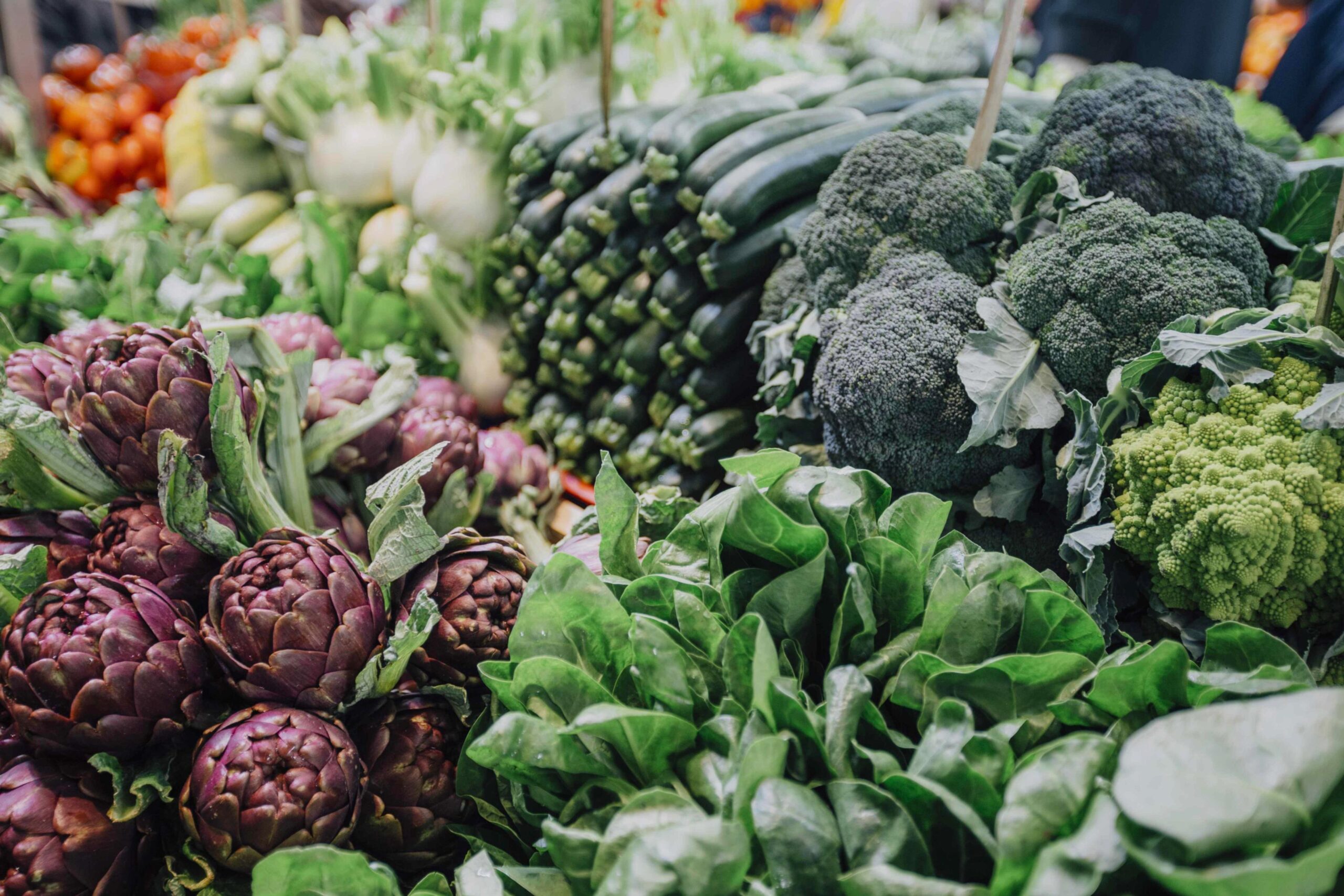
5. Artichoke: These unique vegetables are packed with fiber (9.5 grams per cup!), vitamins C and K, and potassium. The artichoke’s prebiotic fiber feeds beneficial gut bacteria, leading to the production of short-chain fatty acids that support overall digestive health. Add artichoke hearts to salads or pasta dishes for a flavorful addition.
6. Lentils: A versatile staple in plant-based diets, lentils provide 17.9 grams of protein and 15.6 grams of fiber per cup (meeting 55% of your daily fiber needs!). Both protein and fiber contribute to healthy weight management by slowing digestion and promoting fullness. Lentils are also rich in folate, zinc, iron, potassium, and copper; try them in soups, veggie burgers, or salads.
7. Parsnips: These subtly sweet root vegetables offer a unique flavor profile and impressive nutritional value. One cup of cooked parsnips delivers 20% of your daily fiber needs along with vitamin C (an antioxidant crucial for immunity, collagen production, and more). Enjoy them roasted, boiled, mashed, or even shaved raw into salads.
Other Magnesium-Rich Veggies to Explore
8. Green Peas: A bright green addition to any plate, green peas offer a good source of protein, fiber, vitamin C, iron, and folate (especially important for pregnant women). A cup of cooked peas contributes nearly 25% of the recommended daily intake of folate for non-pregnant adults. Try incorporating them into rice and pasta dishes or mashing them for a vibrant dip.
9. Kale: This cruciferous vegetable packs a punch with fiber, calcium, iron, vitamin A, C, and K. One cup of cooked kale surpasses 100% of your daily needs for vitamins C and K – both essential for bone health, blood clotting, brain function, and more. Add chopped raw kale to salads or toss it into soups, stews, or omelets.
10. Beets: These vibrantly colored root vegetables are bursting with beneficial plant compounds like betalains and nitrates that support healthy blood pressure regulation and promote cardiovascular health. Enjoy them boiled, roasted, or add them to salads and soups for a pop of color and nutrition.
11. Broccoli: Beyond its iconic florets, broccoli offers a wealth of nutrients including magnesium. One cup provides over 100% of your daily vitamin C needs and more than 40% of your recommended folate intake. Explore different cooking methods like steaming, sautéing, roasting, baking, or even enjoying it raw for a delicious crunch.
Boost Your Magnesium Intake Today!
By incorporating these magnesium-rich vegetables into meals throughout the week, you can effectively increase your intake and reap the benefits this essential mineral has to offer. Remember, healthy eating doesn’t have to be boring; let these vibrant veggies inspire your next culinary adventure!