




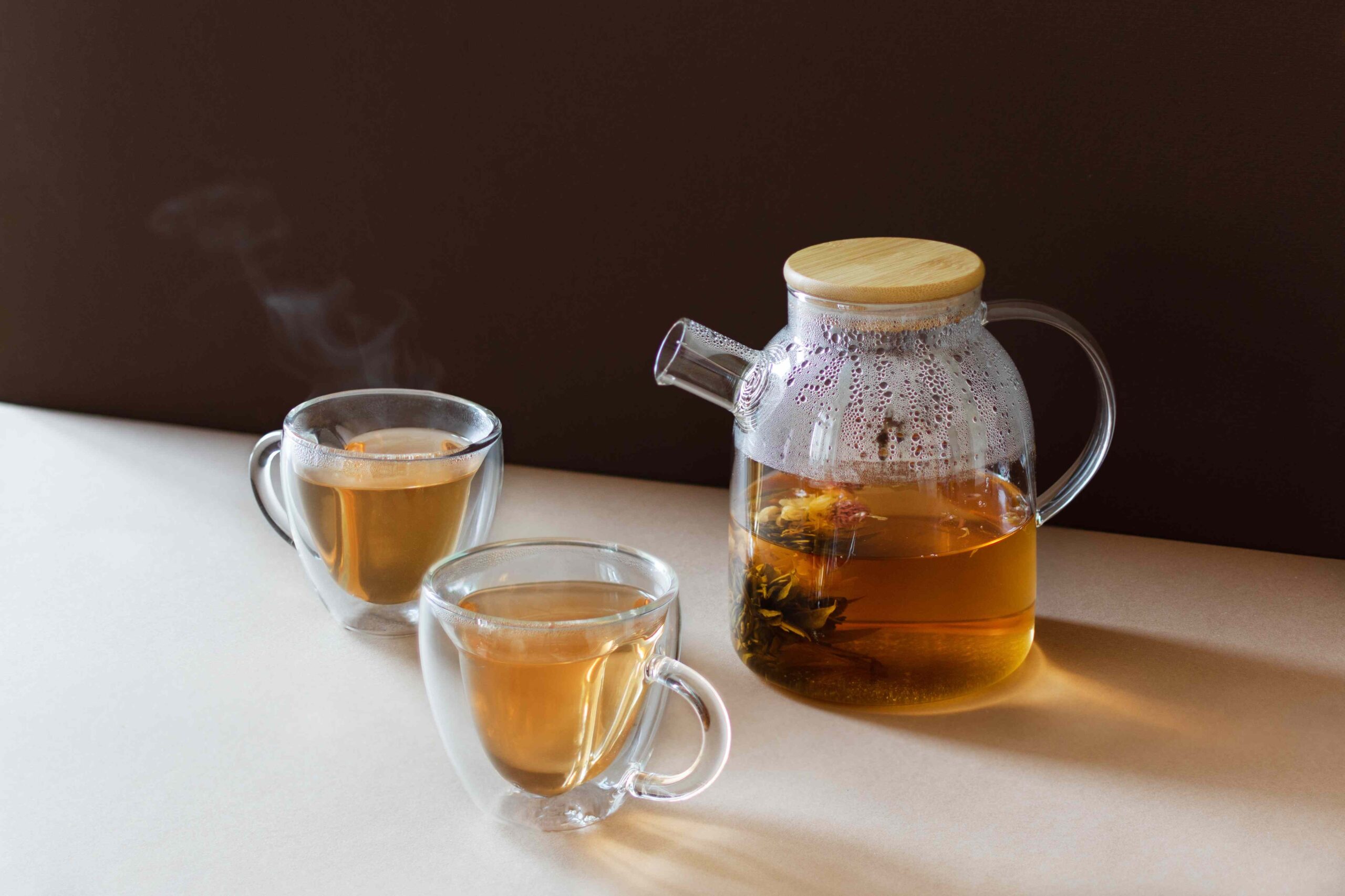
A calming cup of tea is a simple way to unwind, but certain varieties stand out for their stress-reducing properties. This guide explores eight teas that can help you relax naturally, backed by how they work and what science says.
Why Tea Works for Stress
Before diving into the specifics, it’s worth understanding why tea is effective. Many of these herbs contain compounds that interact with the nervous system, influencing neurotransmitters like GABA (which promotes relaxation) or cortisol (the stress hormone). This isn’t just folklore; modern research confirms these effects.
The Teas to Know
-
Chamomile Tea: A classic for relaxation, chamomile contains apigenin, an antioxidant that binds to brain receptors, easing anxiety and potentially lowering blood pressure. Its mild, apple-like flavor makes it a gentle choice.
-
Lavender Tea: The floral scent of lavender is known for its calming effects, making it a popular choice in aromatherapy. Studies suggest it can ease anxiety by gently influencing the nervous system.
-
Lemon Balm Tea: This citrus-flavored tea boosts GABA levels in the brain, regulating stress and promoting calm. It’s a member of the mint family, offering a refreshing twist.
-
Green Tea: A popular choice, green tea contains L-theanine, an amino acid that promotes relaxation without drowsiness. This makes it ideal for staying calm while focused. Note: green tea contains caffeine, so avoid it late in the day if you’re sensitive.
-
Valerian Root Tea: Historically used as a sleep aid, valerian root increases GABA availability in the brain, calming the nervous system. Research suggests it can improve sleep quality and reduce sleep latency.
-
Passionflower Tea: This sedative herb interacts with GABA receptors, promoting relaxation and reducing anxiety symptoms. Some studies show its effects are comparable to certain medications.
-
Ashwagandha Tea: An adaptogen from Ayurvedic medicine, ashwagandha helps the body respond to stress by reducing cortisol. Studies have shown people who take ashwagandha report feeling calmer. Short-term use is generally well-tolerated, but some may experience mild digestive upset.
-
Holy Basil (Tulsi) Tea: Another Ayurvedic staple, holy basil reduces stress and anxiety by lowering cortisol. An eight-week study showed significant stress reduction in participants drinking this caffeine-free tea.
Brewing for Maximum Relaxation
Getting the most out of these teas requires proper brewing:
- Temperature: 158-194°F (70-90°C) is typical.
- Steeping Time: 2-10 minutes (check package instructions).
- Small details matter: Make the process mindful. Use a comfortable mug, quiet surroundings, and focus on the scent as the tea steeps.
Ultimately, these teas offer a natural way to manage stress. Combining them with other relaxation techniques, like meditation or deep breathing, can enhance their effectiveness.