



ANCA-associated vasculitis (AAV) describes a group of rare autoimmune diseases where the body’s immune system mistakenly attacks small blood vessels. This inflammation restricts blood flow to organs, nerves, skin, and joints, causing a wide range of potential symptoms. While there is no cure, early diagnosis and treatment can prevent severe organ damage and help patients achieve long-term remission.
What Happens in AAV?
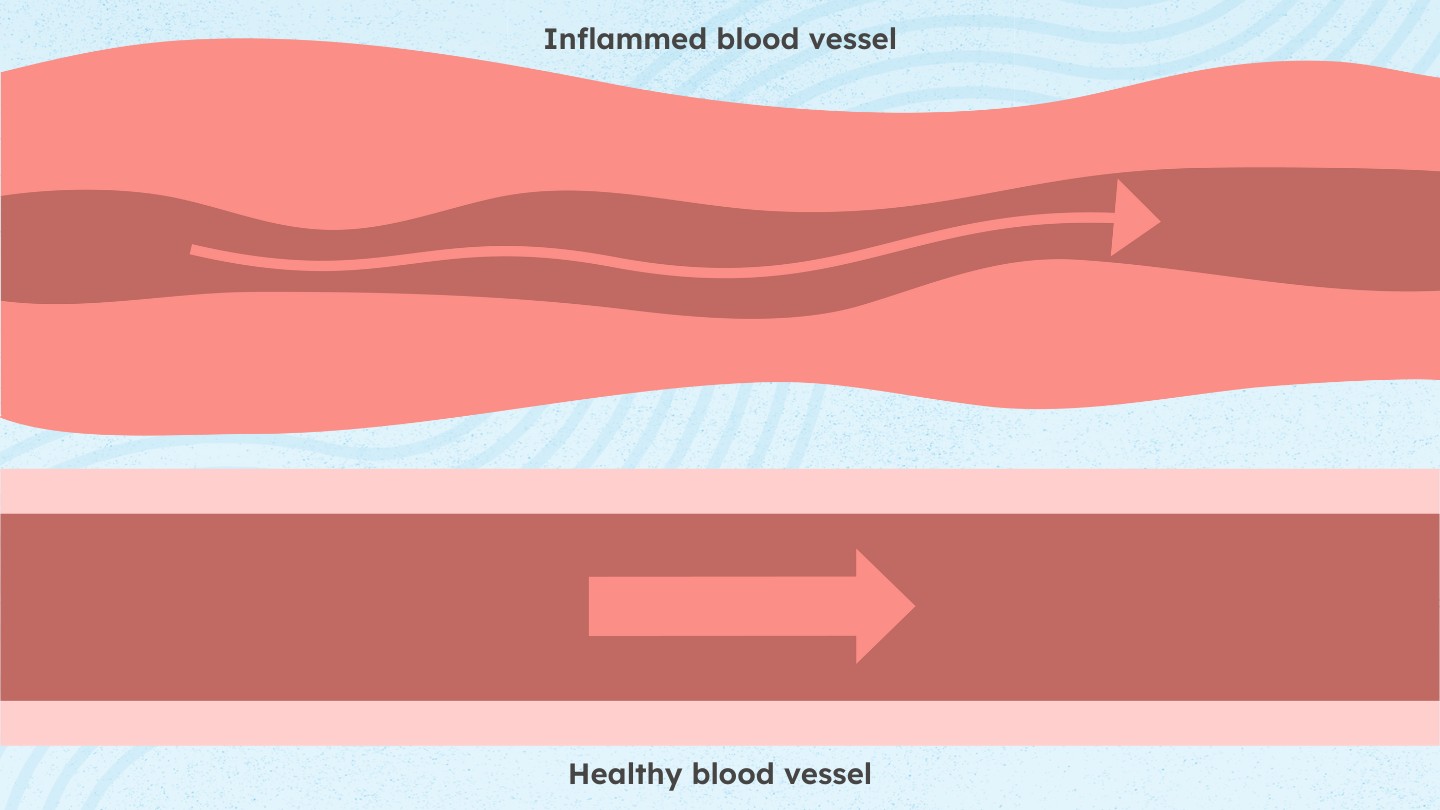
The term “ANCA” refers to antineutrophil cytoplasmic antibodies – proteins the immune system produces that target neutrophils, a type of white blood cell. When these antibodies attack, blood vessels swell and thicken, reducing circulation. This isn’t a single condition, but rather several related forms of vasculitis, each with slightly different patterns and severity.
Why this matters: AAV can affect almost any organ system, making diagnosis difficult. The body’s own defenses turn against it, highlighting the complex interplay between genetics, infection, and environmental factors in autoimmune diseases.
Recognizing the Signs and Symptoms
AAV often begins with non-specific symptoms:
- Fatigue
- Body aches
- Joint and muscle pain
- Fever
- Unexplained weight loss
However, as the disease progresses, more specific symptoms appear depending on which organs are affected. These can include:
- Respiratory: Shortness of breath, coughing (sometimes with blood), chest pain.
- Kidney: Blood or foam in urine, high blood pressure.
- Nervous System: Numbness, tingling, weakness.
- Skin: Rashes, sores, ulcers.
- Ears, Nose, and Throat: Sinus infections, nosebleeds, hearing loss.
Causes and Risk Factors
The exact cause of AAV remains unclear, but several factors may play a role:
- Genetics: Certain genes, including those related to the immune system, may increase susceptibility.
- Infections: Bacterial (like Staphylococcus aureus ) or viral infections (hepatitis C, Epstein-Barr) can trigger the disease.
- Environmental Exposure: Pollutants, silica, and certain chemicals have been linked to increased risk.
- Medications: Some drugs for thyroid problems, high blood pressure, or infections may contribute.
AAV typically develops in people between 45 and 60, with a slight male predominance.
Diagnosis: A Complex Process
Diagnosing AAV is challenging because symptoms overlap with other conditions. Doctors rely on a combination of:
- Medical History: Detailed review of symptoms and medications.
- Blood Tests: Detect ANCA antibodies, inflammation markers, and kidney function. However, a positive ANCA test doesn’t always mean you have AAV, and some people with AAV test negative.
- Imaging Studies: Chest X-rays or CT scans to assess lung involvement.
- Biopsy: Taking a tissue sample from an affected organ (kidney, lung, sinus) is the most reliable way to confirm vasculitis.
Treatment and Long-Term Outlook
There is no cure for AAV, but modern immunosuppressive therapies can induce remission in most patients. These drugs suppress the immune system to reduce inflammation. Relapses are common, particularly with granulomatosis with polyangiitis (GPA).
The long-term prognosis has improved significantly. European studies show median survival after diagnosis around 18 years, while other data indicate 80%, 67%, and 56% survival rates at one, three, and five years, respectively. Successful pregnancies are possible with careful management.
Potential Complications
Treatment itself carries risks:
- Infections: Immunosuppressants weaken the immune system, making patients vulnerable to infections.
- Cancer: Long-term use of these drugs can slightly increase cancer risk.
- Organ Damage: Kidney failure, heart failure, nerve damage, and lung scarring are potential complications.
Conclusion
ANCA-associated vasculitis is a rare but serious autoimmune condition requiring lifelong management. Early diagnosis and aggressive treatment with immunosuppressants have dramatically improved outcomes, allowing most patients to achieve remission and live relatively normal lives. Ongoing monitoring is crucial to prevent relapses and manage potential complications.
Editorial Sources: Everyday Health follows strict sourcing guidelines to ensure the accuracy of its content, outlined in our editorial policy. We use only trustworthy sources, including peer-reviewed studies, board-certified medical experts, patients with lived experience, and information from top institutions.