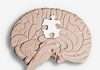





Dementia is hard enough on its own, but a little-known condition called anosognosia makes it far more challenging. Anosognosia is the inability to recognize one’s own illness, including cognitive decline. This means that many people with dementia or Alzheimer’s are completely unaware of their condition — or even deny it outright. It’s not stubbornness, it’s a neurological reality.
What Exactly Is Anosognosia?
The term itself means “without knowledge of disease.” It’s a breakdown in the brain’s ability to process information about its own function. This isn’t just about forgetting things; it’s about the brain failing to register that something is wrong. Studies suggest that up to 95% of early-onset dementia patients and 98% of late-onset cases experience anosognosia. This is a critical detail: the disease itself often prevents sufferers from seeking help or even acknowledging the problem.
How Anosognosia Manifests
The condition doesn’t just mean someone forgets they have dementia. It presents in everyday situations:
- A person insisting they can still drive safely after their license has been revoked, becoming angry when others take away the keys.
- Someone struggling with basic tasks like cooking but refusing assistance, getting frustrated when family offers help.
- A man getting lost on a familiar walk but insisting he knows the route perfectly.
These behaviors aren’t willful defiance; they’re the direct result of brain damage. The frontal lobe, responsible for self-awareness, is often the first to be affected, making anosognosia more common in certain dementia types.
What Caregivers Need to Know
Dealing with anosognosia is emotionally taxing. A person with the condition may forget their diagnosis entirely, fluctuating between awareness and denial. The key is empathy, not logic.
- Allow independence when safe: If they can do something without harming themselves, let them.
- Suggest collaboration: Instead of taking over, offer to help with tasks to avoid feeling controlling.
- Validate emotions: When they get upset, acknowledge their feelings rather than trying to reason with them.
Remember, they can’t control their cognitive function, and their brain is struggling to make connections. It’s not personal; it’s a symptom of the disease.
Prevention and Support
While there’s no cure for anosognosia itself, the best defense is dementia prevention. This means maintaining a healthy lifestyle: balanced diet, regular exercise, and managing body composition.
Some research suggests that supplements like citicoline may improve cognitive function by boosting activity in the frontal lobe, but this is not a definitive solution.
Ultimately, if you suspect someone has anosognosia, the first step is consulting a doctor.
Up to 98% of dementia patients experience anosognosia, making it a common yet overlooked challenge. Understanding this condition is vital for both patients and caregivers navigating the complexities of dementia.