




For decades, high blood pressure has been viewed as a “lifestyle disease” primarily affecting men or post-menopausal women. However, recent data reveals a much more alarming reality: deaths from hypertensive heart disease among young women have quadrupled over the last two decades.
New findings presented at the American College of Cardiology’s Annual Scientific Session show that the death rate for this demographic rose from 1.1 per 100,000 in 1999 to 4.8 per 100,000 in 2023. In total, more than 29,000 young women have lost their lives to hypertension-related heart disease during this period.
The “Silent Killer” Mechanism
Hypertension is notoriously difficult to detect because it rarely presents obvious symptoms. This lack of warning signs is why medical professionals call it a “silent killer.”
The physiological impact is cumulative. Because the heart is a muscle, it must work harder to pump blood against the increased resistance caused by high pressure. Over time, this constant strain causes the heart muscle to:
* Thicken and stiffen, losing its efficiency.
* Weaken, eventually leading to heart failure.
* Suffer structural damage, increasing the risk of coronary artery disease, heart attacks, and strokes.
Addressing the Disparities
The study highlights that this health crisis does not affect all women equally. Significant gaps exist based on race and geography:
- Racial Disparities: Non-Hispanic Black women face the highest risk, with a rate of 8.6 per 100,000, compared to 2.3 per 100,000 among non-Hispanic white women.
- Regional Trends: Women living in the Southern United States are disproportionately affected, with death rates nearly double those seen in the West.
These disparities suggest that systemic issues—ranging from access to care to socioeconomic stressors—play a critical role in how hypertension impacts different communities.
Why Younger Women Are Being Overlooked
The rise in mortality is not just a biological trend; it is also a failure of clinical focus. Several factors contribute to why younger women are falling through the cracks:
- Medical Bias and Research Gaps: Historically, cardiovascular research has focused heavily on men and older women. Consequently, clinical guidelines and “medical instincts” have often overlooked younger women, who are less likely to be screened or prescribed medication compared to their male counterparts.
- Hormonal Vulnerabilities: Major biological shifts, such as pregnancy and perimenopause, can place immense stress on the cardiovascular system. The study emphasizes that managing blood pressure before these life stages is vital to preventing long-term damage.
- Misplaced Priorities: Many women in their 20s and 30s prioritize hormonal, bone, or skin health, often viewing blood pressure as a concern for “later in life.”
Proactive Steps for Prevention
Early intervention is the most effective way to alter long-term outcomes. Medical professionals recommend the following:
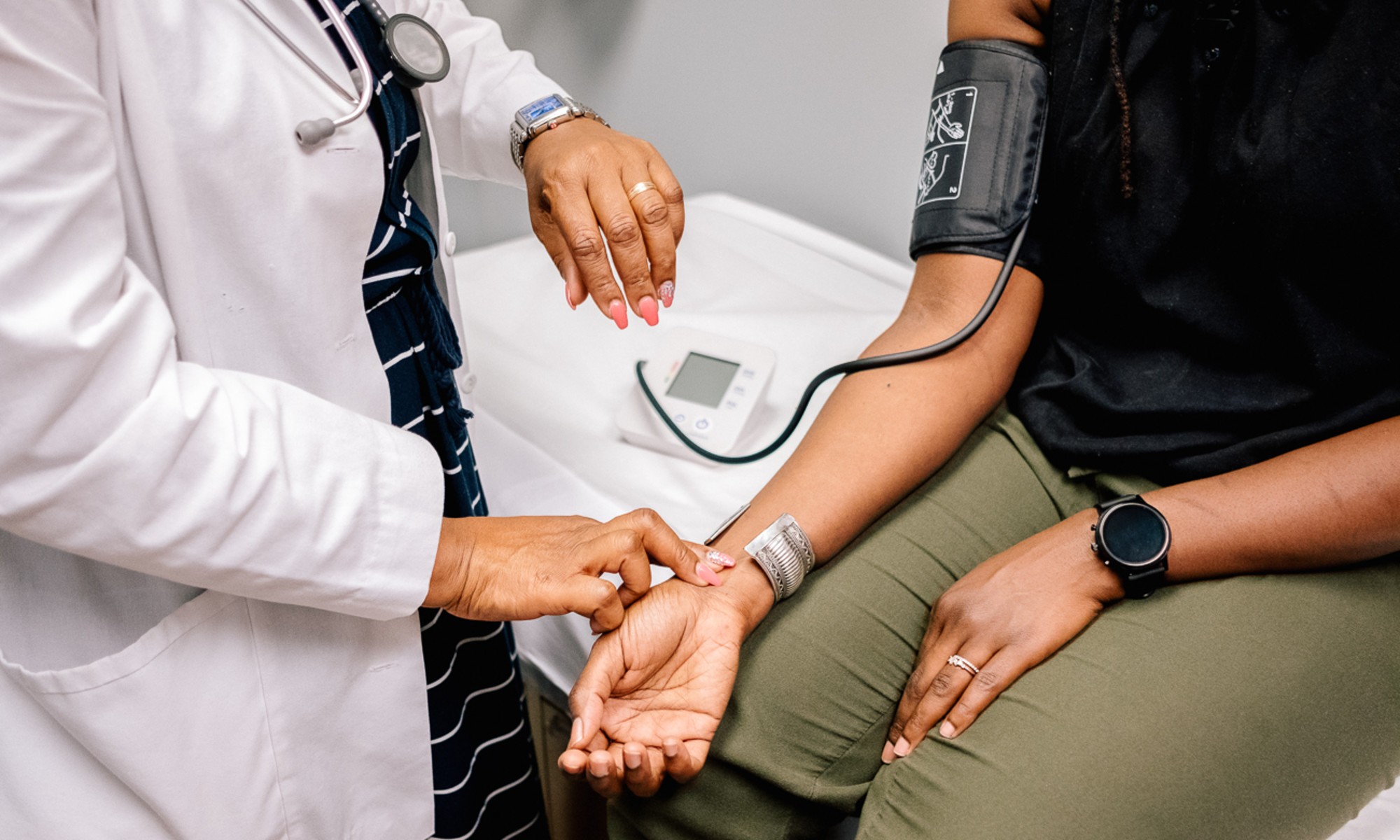
- Regular Screening: If you are under 45, ensure your blood pressure is checked regularly by a primary care physician or OB-GYN. The clinical target is generally to keep readings below 130/80 mm Hg.
- Lifestyle Management: Reducing sodium intake, increasing physical activity, managing weight, and avoiding smoking are fundamental defenses.
- Early Medical Intervention: If lifestyle changes are insufficient, medication can be a life-saving tool when started early.
Conclusion: The rising mortality rate among young women highlights a critical gap in cardiovascular awareness and clinical screening. Addressing this requires moving past outdated assumptions and prioritizing blood pressure management long before the onset of menopause.