


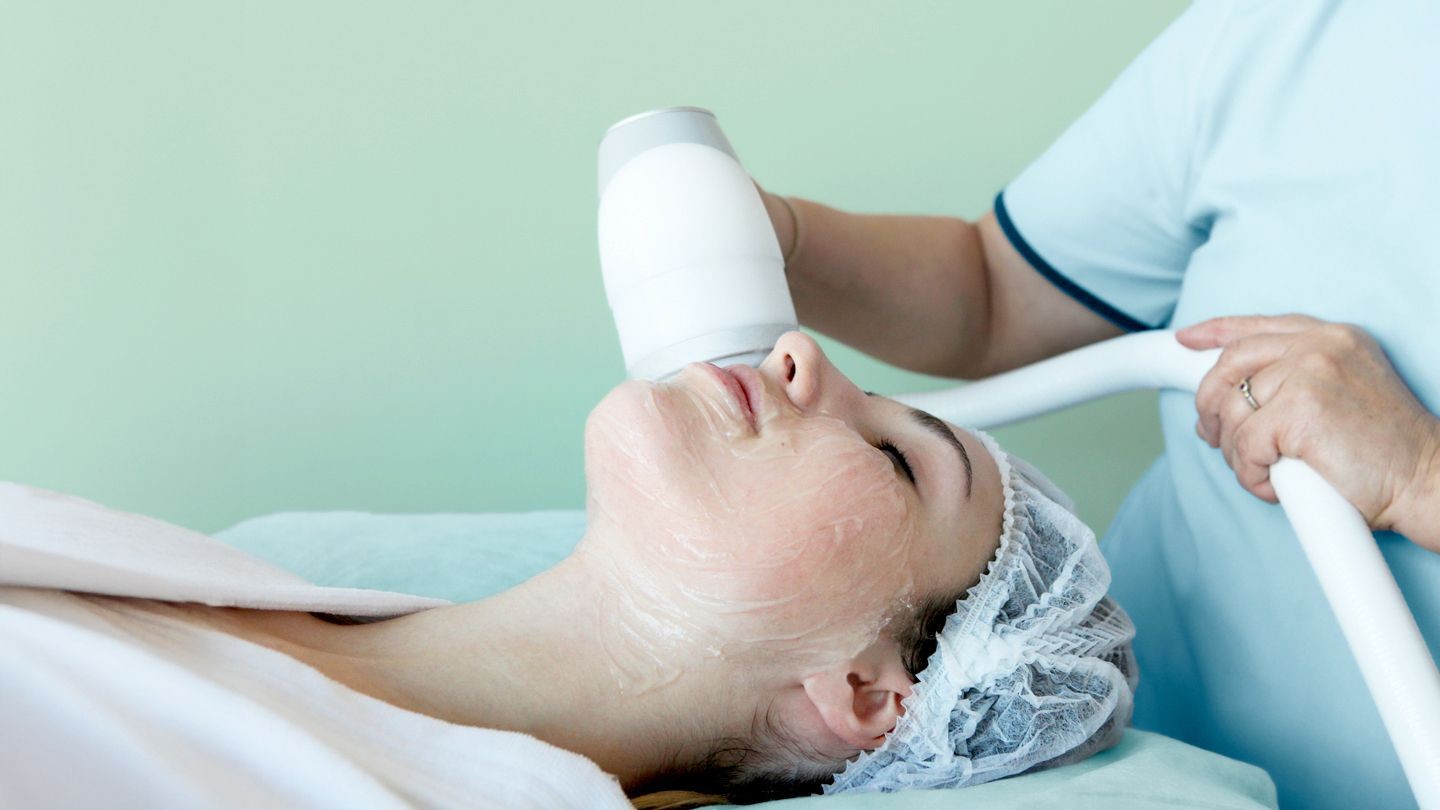
Cryotherapy, or cold therapy, has gained traction in recent years as a potential skin treatment. While widely used in athletic recovery (think ice baths and cold plunges), its cosmetic applications are newer and less understood. This article breaks down the types of cryotherapy used for skin, the proven benefits, and the potential risks, separating hype from evidence-based practice.
Types of Cryotherapy for Skin
There are several forms of cryotherapy used in skin care, each applying freezing temperatures in different ways:
- Cryoablation (Cryosurgery): This medical procedure uses extreme cold (typically liquid nitrogen) to destroy unwanted tissue, such as warts, dark spots, and precancerous skin lesions. It’s a well-established treatment backed by research.
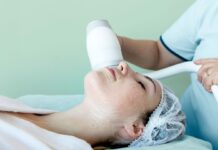
- Cryofacial: A cosmetic treatment that uses cooled air or liquid nitrogen to purportedly improve skin tone and reduce signs of aging. However, clinical evidence supporting its efficacy is limited.
- Whole-Body Cryotherapy: Involves standing in an enclosed chamber filled with extremely cold air (minus 200 to minus 300 degrees Fahrenheit). This form has not been conclusively proven to offer health or skin benefits and carries significant risks.
Proven Benefits of Cryotherapy on Skin
Cryotherapy has legitimate medical applications for certain skin conditions:
- Treating Skin Cancers: Cryoablation is an effective treatment for precancerous lesions and early-stage skin cancers (squamous cell carcinoma, basal cell carcinoma). Dermatologists and physicians use this method to freeze and remove abnormal cells, followed by natural healing.
- Removing Warts, Skin Tags, and Dark Spots: Cryoablation is also used to eliminate warts, skin tags, and dark spots (solar lentigines). The procedure is relatively painless but may cause minor discomfort and temporary redness.
- Limited Anti-Aging Effects: While some small studies suggest potential benefits for reducing forehead wrinkles, evidence is weak. Cryotherapy isn’t a proven anti-aging solution, and more effective treatments (retinoids, Botox, fillers) are available.
Risks and Side Effects
While targeted cryotherapy is generally safe, potential risks include:
- Pain and Bleeding: Mild discomfort and temporary bleeding may occur during or after treatment.
- Skin Discoloration: Redness, blistering, and swelling are common after cryoablation. In rare cases, permanent skin discoloration (hypopigmentation or hyperpigmentation) may occur, especially in individuals with darker skin tones.
- Serious Complications (Whole-Body Cryotherapy): Whole-body cryotherapy carries risks such as hypoxia, frostbite, burns, and eye injuries. The FDA has not approved this treatment for any medical condition.
The Bottom Line
Cryotherapy can be an effective treatment for certain skin conditions, such as skin cancers, warts, and dark spots. However, its anti-aging benefits are unproven, and whole-body cryotherapy carries significant risks. Before undergoing any cryotherapy treatment, consult with a qualified dermatologist to discuss the potential benefits and risks.
Editorial Sources:
Everyday Health follows strict sourcing guidelines to ensure the accuracy of its content. Resources include peer-reviewed studies, board-certified medical experts, patients with lived experience, and information from top institutions.
Meet Our Experts:
- Jane Yoo, MD, MPP: Board-certified cosmetic dermatologist and Mohs surgeon.
- Moira Lawler: Journalist specializing in health and lifestyle topics