


Iron deficiency is a frequent complication of Crohn’s disease, an inflammatory bowel disease (IBD) affecting millions. Approximately 25% of individuals with Crohn’s develop iron-deficiency anemia, a condition that causes fatigue and other symptoms. This happens due to chronic inflammation, which can lead to bleeding ulcers and reduced iron absorption. Additionally, symptoms like diarrhea and restrictive diets further contribute to the problem.
There are two types of dietary iron: heme (found in animal products) and nonheme (found in plant foods). Heme iron is absorbed more efficiently by the body, but nonheme absorption can be improved by combining it with vitamin C-rich foods. A balanced approach – including both heme and nonheme sources – is recommended, especially for those with Crohn’s who may already have dietary restrictions.
Here’s a breakdown of seven iron-rich foods to incorporate into your diet, considering both remission and active flare-up phases:
Dietary Choices During Remission vs. Flare-Ups
The best iron sources will vary depending on whether you’re in an active flare or remission. The following list outlines foods, along with their gut-friendliness level. For an active flare, prioritize high-digestibility options. For remission, any food listed is safe unless otherwise advised by your doctor.
Top 7 Iron-Rich Foods for Crohn’s
- Poultry: Chicken and turkey, particularly dark meat, are leaner than red meat and easier to digest. Dark meat provides more iron, but removing the skin reduces fat content.
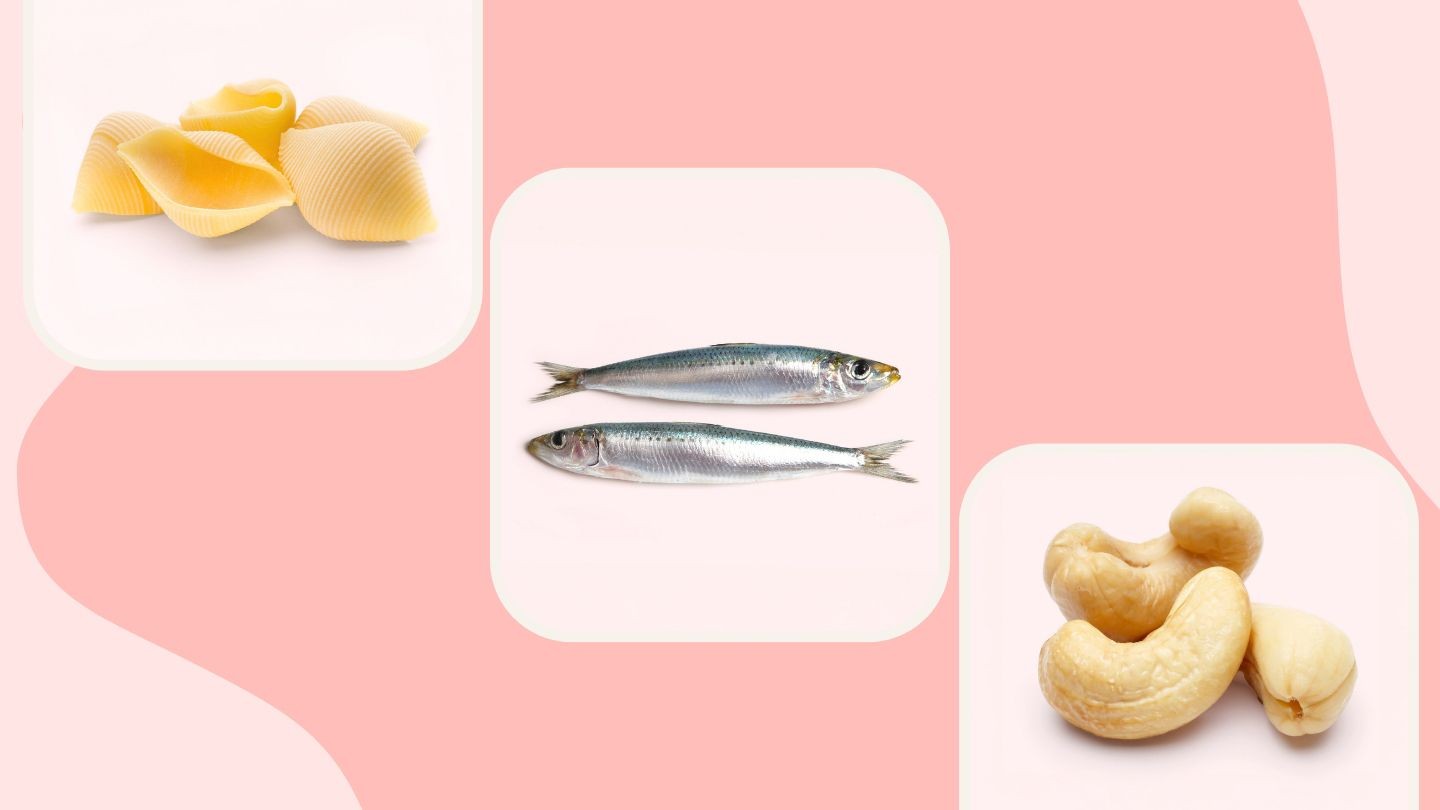
- Sardines: These fatty fish are rich in iron and omega-3 fatty acids, which have anti-inflammatory properties. Be mindful of the high sodium content.
- Lentils: Packed with iron and fiber, lentils can help control inflammation and maintain remission. During a flare, opt for lentil soup due to its softer texture.
- Chickpeas: Similar to lentils, chickpeas are a good source of iron and fiber. Hummus is easier to digest during flare-ups; pair with vitamin C-rich foods like lemon juice.
- Pasta: Enriched pasta provides iron and is generally well-tolerated. White pasta is gentler on the digestive system during flares, while whole grain may be suitable in remission.
- Tuna: Canned or fresh tuna is a solid seafood choice. Canned tuna has slightly more iron than fresh.
- Cashews: Nuts and seeds, including cashews, offer nonheme iron. Pair with fruits for vitamin C enhancement. Nut and seed butters are easier to digest during flares.
Supplementation and Medical Considerations
Some individuals with Crohn’s may require iron supplements to address deficiency anemia. Always consult a doctor before starting supplementation, as iron pills can cause side effects and interfere with nutrient absorption.
If prescribed, take iron supplements in the morning on an empty stomach with vitamin C. Avoid calcium supplements or foods high in calcium, as they can hinder absorption. If GI side effects occur (nausea, constipation), discuss dosage adjustments or alternative formulations (ferrous bisglycinate or ferric maltol) with your doctor. In severe cases, intravenous (IV) iron infusions may be necessary.
The key to managing iron deficiency in Crohn’s is a varied diet combined with individualized medical guidance. By prioritizing both heme and nonheme iron sources and adjusting food choices based on flare-up status, individuals can effectively meet their iron needs while minimizing digestive discomfort.


