



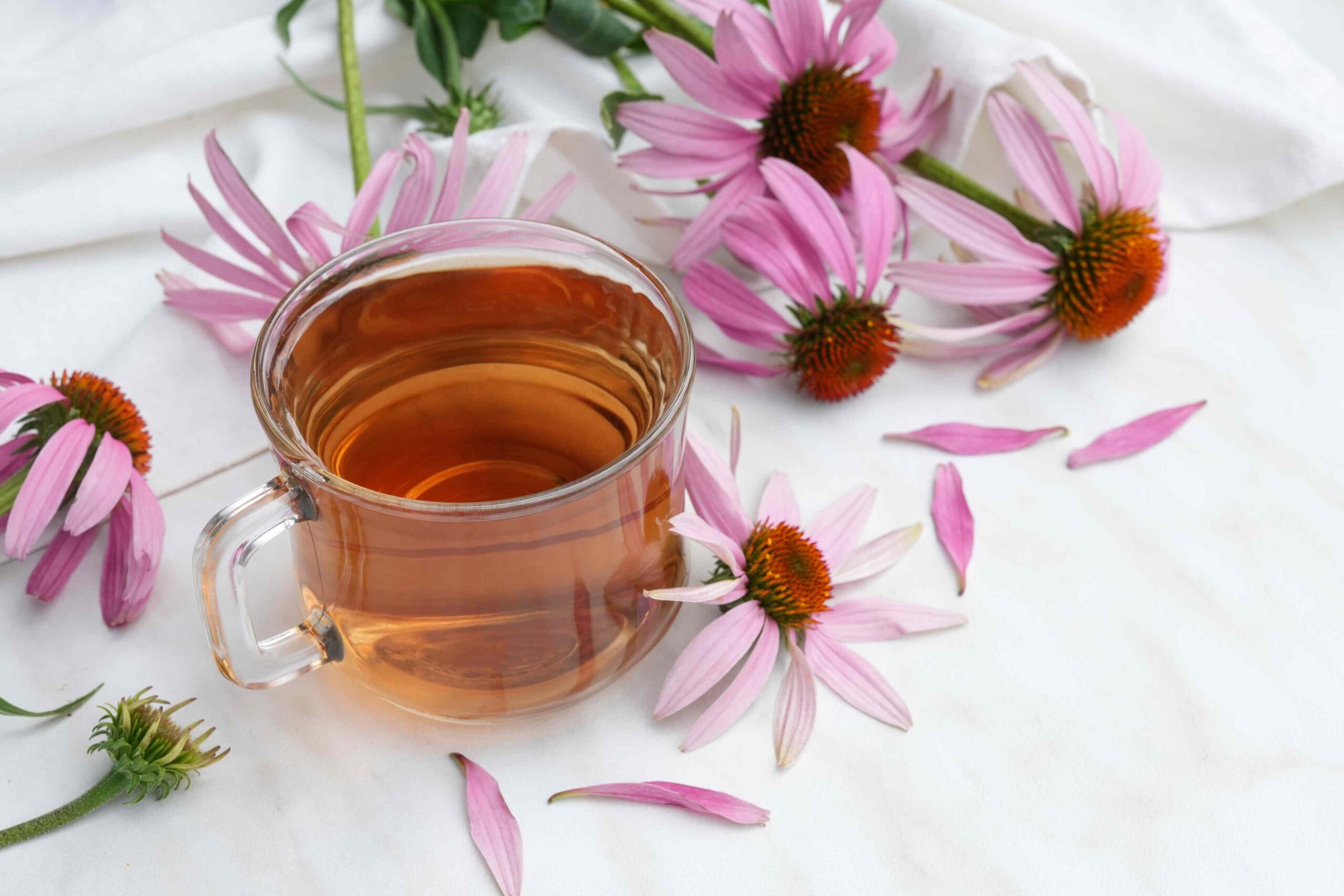
Echinacea tea, derived from the purple coneflower, has long been touted for its immune-boosting and health-promoting properties. While traditional use is widespread, modern science reveals a more nuanced picture: echinacea offers potential benefits, but research is often mixed, and context matters. This article breaks down the key effects of echinacea tea, backed by scientific findings, and explains what the current evidence actually suggests.
Antioxidant Power and Cellular Protection
Echinacea is rich in antioxidants—compounds like caftaric, chicoric, chlorogenic acid, cynarin, and echinacoside—which combat oxidative stress. Oxidative stress occurs when the body has too many damaging free radicals and not enough antioxidants to neutralize them, leading to inflammation, aging, and disease. Echinacea’s flavonoids further enhance these protective effects by reducing swelling, fighting viruses, and supporting blood vessel health. Notably, the flowers and roots contain the highest concentrations of these beneficial compounds.
Inflammation and Immune Support: The Nuances
Inflammation is a natural response to injury or illness, but chronic inflammation increases disease risk. Echinacea may reduce inflammation by modulating immune function, but most supporting evidence comes from lab studies, not large-scale human trials. Similarly, while echinacea contains compounds that could fight bacteria and viruses, clinical results vary. A 2019 review found that echinacea users were 22% less likely to catch a cold, but symptom severity remained unchanged. Another study in 2021 showed fewer sick days in children who took echinacea extract. The inconsistency underscores the importance of standardized extraction methods and quality control in research.
Skin Health, Blood Sugar, and Cancer Prevention: Preliminary Findings
Echinacea may soothe irritated skin, accelerate wound healing, and potentially reduce acne breakouts. Some extracts have demonstrated a 55% faster rate of wound closure in lab settings. Early animal studies suggest echinacea could help regulate blood sugar and protect the kidneys in diabetic conditions; however, these results need verification in human trials. There is also preliminary research suggesting echinacea antioxidants may slow cancer cell growth, but human studies are lacking. These areas show promise but remain speculative without further, rigorous investigation.
Stress, Anxiety, and Liver Protection: Emerging Research
Some studies indicate that certain echinacea extracts could ease anxiety by interacting with brain regions that regulate mood. A small trial found a 40mg dose twice daily may reduce worry, but did not alleviate physical anxiety symptoms. Similarly, echinacea may protect the liver from inflammation, toxins, and even hepatitis B damage in animal models. These findings are preliminary and require larger, long-term human studies to confirm efficacy and safety.
Brewing and Choosing Echinacea Tea: A Practical Guide
Echinacea tea has an earthy, slightly bitter flavor. For a more palatable brew, consider adding chamomile, ginger, honey, lemon, or peppermint. Store-bought blends typically use leaves, stems, and flowers; for maximum antioxidant content, opt for blends with flowers or roots, and steep longer. However, excessive root intake may stress the liver, so moderation is advised.
Echinacea tea is low in calories and caffeine-free, but its primary value lies in its antioxidant properties.
Potential Risks and Side Effects
Echinacea tea is generally safe for short-term use, with upset stomach being the most common side effect. Individuals with autoimmune disorders or allergies to the Asteraceae family (ragweed, marigolds, daisies) should exercise caution. Consult a healthcare professional before using echinacea if you have underlying health conditions or are taking medications.
In conclusion, echinacea tea offers potential health benefits—from boosting immunity to reducing inflammation—but the scientific evidence remains mixed. While promising, many findings require further validation through large-scale human trials. Responsible consumption, informed choices, and realistic expectations are key when considering this herbal remedy.