




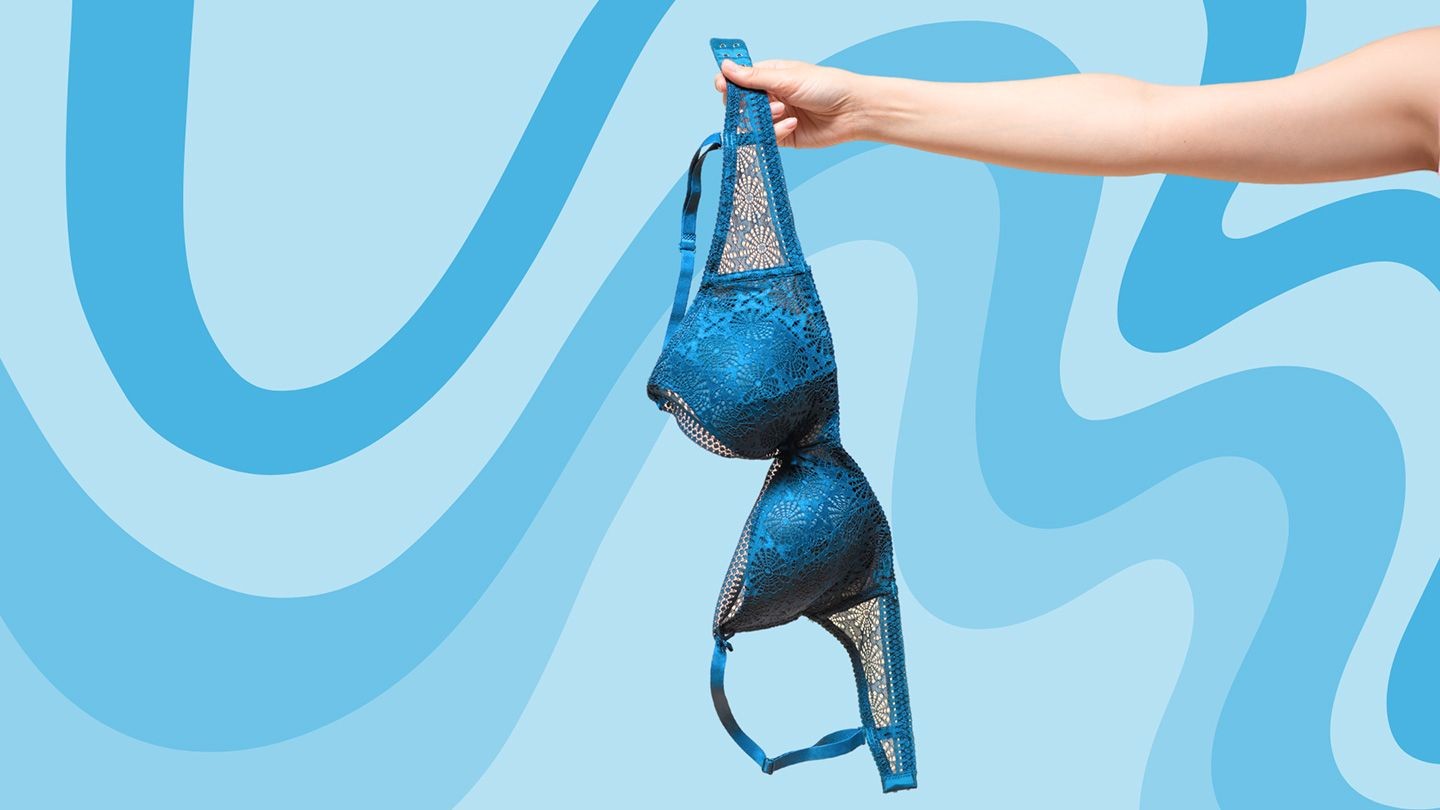
While many people are diligent about washing their T-shirts or gym clothes, bra hygiene often falls into a “gray area.” Because bras sit directly against the skin and trap moisture, they can become breeding grounds for bacteria and fungi if neglected.
While there is no single scientific rule for bra maintenance, medical experts suggest that your washing frequency should be dictated by your skin health, activity levels, and the specific type of bra you are wearing.
The Expert Consensus on Everyday Bras
Dermatologists and gynecologists agree that bras should not be worn for long stretches without washing. Because the fabric absorbs sweat, dead skin cells, and oils, it can quickly become unhygienic.
- General Recommendation: Most experts suggest washing everyday bras every two to four wears.
- The “It Depends” Factors: You may need to wash your bra more frequently if you:
- Are in a warmer season (summer).
- Have a high activity level.
- Use body lotions or perfumes that transfer to the fabric.
- Experience significant body odor.
Why Hygiene Matters: The Risks of Neglect
It is tempting to extend the life of a bra to save on laundry, but skin health is the primary concern. When sweat and bacteria accumulate in the fabric, they create an environment ripe for infection.
Potential Skin Issues
“Wearing clean, fresh-smelling bras not only promotes better skin health, but also enhances comfort and boosts confidence,” says Dr. Kemunto Mokaya, a board-certified dermatologist.
If you skip washes, you risk developing:
– Folliculitis: An infection of the hair follicles that often looks like an acne breakout.
– Candida Intertrigo: A yeast infection that occurs in skin folds (such as under the breasts) due to moisture and heat.
– Irritation and Odor: Bacteria breaking down sweat leads to unpleasant smells, chafing, and clogged pores.
Specialized Care: Sports and Nursing Bras
Not all bras are created equal. Different functions require different hygiene protocols.
🏃 Sports Bras
Because these are designed to manage heavy perspiration, the rule is stricter: wash them after every single wear. The only exception is a very light, non-sweaty activity (like restorative yoga).
Note: Frequent washing can eventually degrade the elastic support of sports bras, so keep an eye on their performance and replace them when they no longer provide adequate support.
🤱 Nursing Bras
For breastfeeding mothers, moisture management is critical due to potential milk leakage.
– Frequency: Aim to change these every one to two days.
– Pro-Tip: Using nursing pads or “milk savers” can help absorb excess moisture and keep the bra cleaner for longer.
Best Practices for Washing and Longevity
To keep your bras in good condition and protect your skin, follow these professional guidelines:
1. The Washing Method
– Hand Washing: This is the gold standard, especially for padded bras. Use cold water and mild detergent.
– Machine Washing: If using a machine, place bras in a mesh laundry bag to maintain their shape. Use a delicate cycle with cool water.
– The Extra Rinse: Dr. Mokaya recommends an extra rinse cycle to ensure no detergent residue remains, as leftover soap can cause skin irritation.
– Drying: Always hang bras to dry rather than using a high-heat dryer, which can damage the elastic.
2. Stretching the Interval
If you want to reduce the frequency of washing without sacrificing hygiene:
– Use antiperspirant to minimize sweat.
– Avoid wearing a bra while sleeping to let your skin “air out.” If you need support at night, opt for a soft, wireless sleep bra.
Summary: While everyday bras can generally be worn 2–4 times, sports bras require washing after every use, and nursing bras should be changed daily. Prioritizing clean bras is essential to preventing skin infections like folliculitis and yeast infections.