


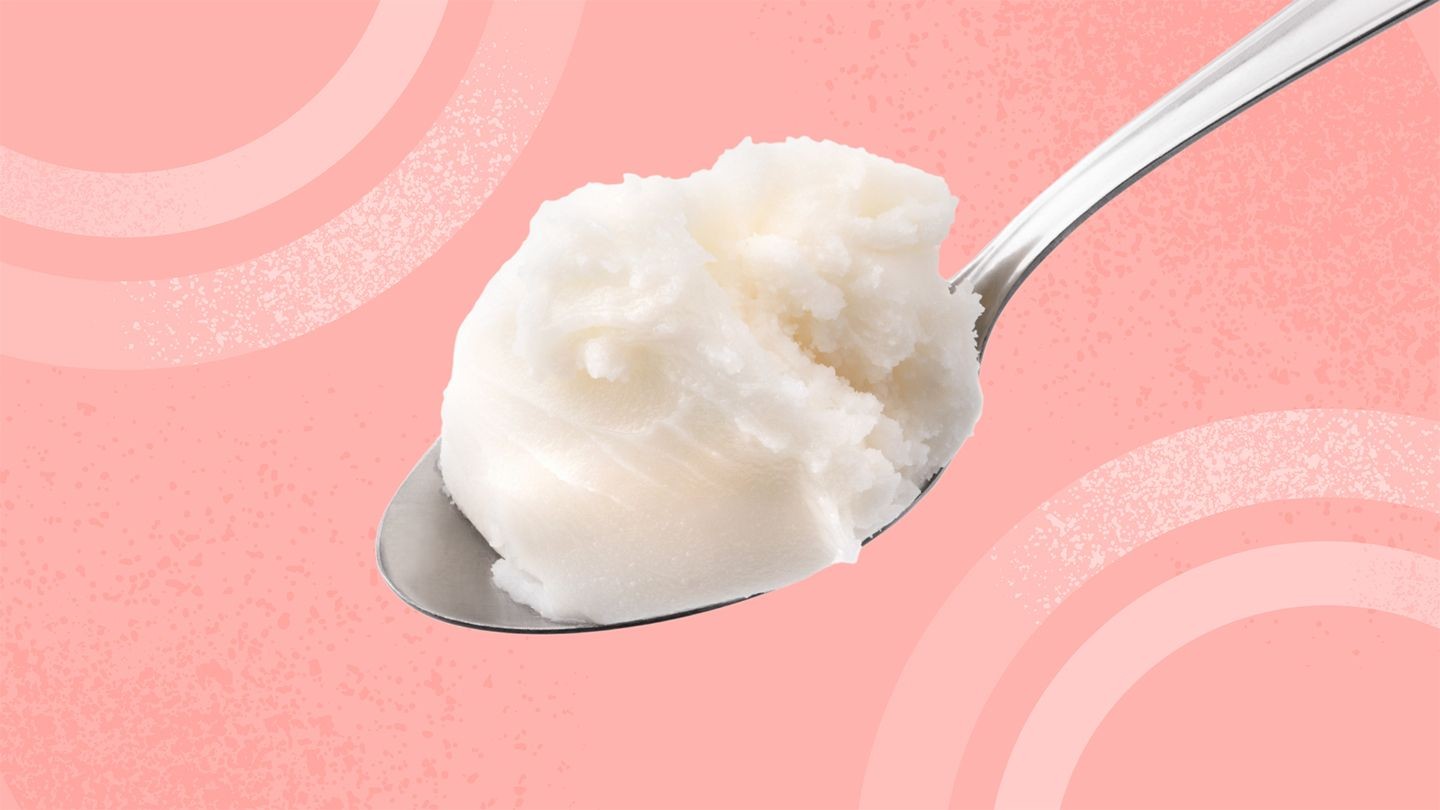
Beef tallow, once a kitchen staple, is making a comeback. Recent endorsements, including a nod in the 2025-2030 Dietary Guidelines for Americans and vocal support from figures like Robert F. Kennedy Jr., have fueled renewed interest in this traditional cooking fat. But what exactly is beef tallow, and should you be adding it to your diet?
What Is Beef Tallow?
Beef tallow is the rendered fat from beef, typically sourced from around the organs of cattle. It’s a solid, white fat at room temperature that has been used for centuries in cooking, skin care, and even as a lubricant. Its high smoke point makes it ideal for high-heat cooking methods like frying, roasting, and sautéing. While similar to lard (from pig fat), beef tallow has a firmer texture and distinct flavor.
There are two main types:
- Regular Beef Tallow: Sourced from conventionally raised cattle, often processed and refined.
- Grass-Fed Beef Tallow: Derived from grass-fed cattle, with a slightly different fatty acid composition.
Nutritional Breakdown
Here’s what you get in one tablespoon (approximately 13 grams) of beef tallow:
- Calories: 115
- Total Fat: 13g
- Saturated Fat: 6g
- Monounsaturated Fat: 5g
- Cholesterol: 14mg
- Protein: 0g
Is Beef Tallow Healthy?
Beef tallow offers some benefits. The fat helps the body absorb fat-soluble vitamins (A, D, E, and K), and provides energy, especially in low-carb diets. Some of its saturated fat is stearic acid, which may not raise cholesterol levels as much as other saturated fats. It also contains conjugated linoleic acid (CLA), linked to improved heart health and body composition, though more research is needed.
However, beef tallow is primarily saturated fat. Excessive intake can raise LDL (“bad”) cholesterol, increasing heart disease risk. It’s not necessarily healthier than seed oils, which are mostly unsaturated fats considered better for heart health.
Beyond the Kitchen: Using Tallow in Skincare
Beef tallow isn’t just for cooking. It can also be used in skincare as a natural moisturizer. It contains fats similar to those found in human skin, providing hydration and softening rough cells. Some even suggest it may have anti-aging benefits by repairing the skin barrier.
However, dermatologists caution against using it to treat acne, as its high oleic acid content can clog pores.
Weight Loss and Health Risks
Beef tallow is calorie-dense (115 calories per tablespoon). While it can be part of a ketogenic or very low-carb diet for weight loss, moderation is key. Excessive consumption of saturated fat can increase the risk of heart disease, triglycerides, and LDL cholesterol. The American Heart Association recommends limiting saturated fat intake to less than 6% of daily calories.
Allergies
People with alpha-gal syndrome (red meat allergy from tick bites) must avoid beef tallow, as it can cause severe allergic reactions.
The Bottom Line: Beef tallow is a versatile fat with a long history. It can be a useful cooking ingredient and even a natural skincare option, but it should be consumed in moderation due to its high saturated fat content. For those with heart health concerns or alpha-gal syndrome, caution or avoidance is advised.


