



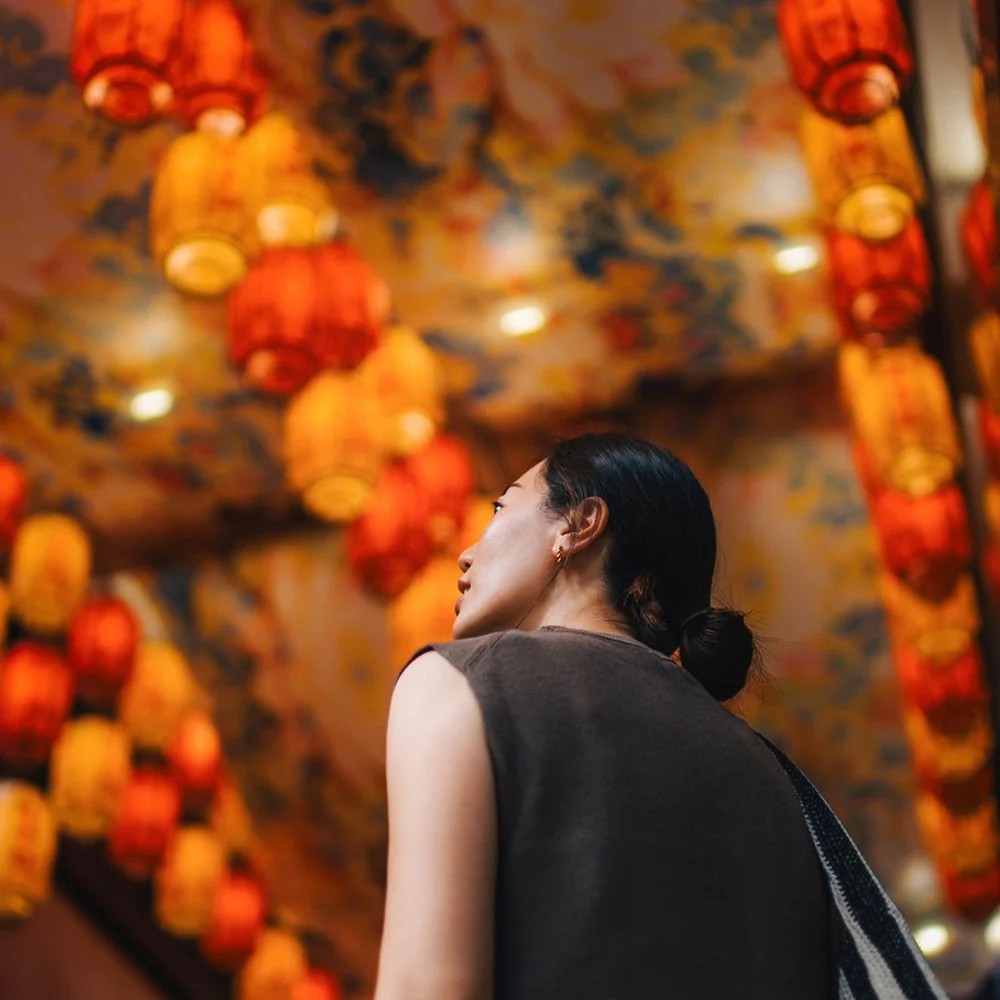
Lunar New Year, also known as the Spring Festival, is a major cultural holiday observed across East and Southeast Asia, marking the start of a new year based on the lunar calendar. This isn’t simply a change on the calendar; it’s a time deeply rooted in family, tradition, and hopeful beginnings. While often called Chinese New Year, the holiday encompasses distinct celebrations like Korean Seollal, Vietnamese Tết, and Tibetan Losar, each with unique customs. Understanding this diversity is key to respectful observance.
The History and Significance of Renewal
The roots of Lunar New Year stretch back over 3,000 years to agricultural societies that followed the lunar cycle. Originally, it was a way to honor ancestors, give thanks for surviving winter, and prepare for the growing season. Over time, local legends – like the story of Nian, the creature frightened by red and loud noises – shaped traditions such as firecrackers and red decorations. This evolution demonstrates that Lunar New Year isn’t static; it adapts while preserving core values.
The holiday’s enduring power lies in its emphasis on family. Many cultures center celebrations around reunion meals, honoring elders, and passing down customs across generations. These practices reinforce cultural identity and strengthen community bonds.
Celebrating Across Cultures: A Global Tapestry
Lunar New Year isn’t celebrated identically everywhere. Here’s a glimpse into key traditions:
- China (Spring Festival): Family reunions are paramount, with many traveling long distances for New Year’s Eve dinner. Red decorations, symbolic foods (like dumplings for wealth), and fireworks are common.
- Vietnam (Tết): Focuses on honoring ancestors and welcoming good fortune. Homes are cleaned and decorated with peach blossoms or kumquat trees. Traditional foods like bánh chưng (sticky rice cake) are shared.
- Korea (Seollal): Centers on ancestor rituals (charye ) and formal greetings showing respect to elders. Tteokguk (rice cake soup) symbolizes growing another year older.
- Tibet & Himalayan Regions (Losar): Blends spiritual practice with seasonal celebration, involving cleaning, offerings, and prayers.
In diaspora communities, these traditions often persist, adapted to fit local life while maintaining cultural roots.
7 Ways to Celebrate Meaningfully
Whether you’re deeply familiar with Lunar New Year or new to the holiday, here’s how to participate respectfully:
- Educate Yourself: Learning about the holiday’s history and cultural significance is crucial.
- Prepare Your Space Intentionally: Cleaning and organizing symbolize letting go of the past and welcoming new beginnings.
- Share Symbolic Foods: Dishes like dumplings or noodles carry meaning – abundance, long life, togetherness.
- Use Decorations Thoughtfully: Red symbolizes luck; avoid mixing symbols from different cultures without understanding their significance.
- Acknowledge the Holiday Respectfully: In workplaces or schools, acknowledge the holiday without requiring personal sharing.
- Honor Family & Lineage (If Appropriate): Reflect on ancestors, share stories, or connect with loved ones if it feels safe and authentic.
- Participate in Community Celebrations: Support local events and respect the cultures at the center of the celebration.
Frequently Asked Questions (FAQs)
How long does Lunar New Year last? Typically 15 days, starting with the new moon and ending with the Lantern Festival, though customs vary.
What’s considered unlucky? Many traditions avoid cleaning on New Year’s Day (sweeping away good fortune) or speaking about illness.
Can non-Asians celebrate? Yes, with respect and a willingness to learn. Avoid stereotypes and support the communities that originate these traditions.
How has Lunar New Year evolved? Modern celebrations include digital red envelopes, virtual gatherings, and social media greetings, reflecting how the holiday adapts to contemporary life.
Lunar New Year is more than just a holiday; it’s a cultural cornerstone. By understanding its history, respecting its diversity, and participating thoughtfully, you can honor its traditions and embrace the spirit of renewal it represents.