


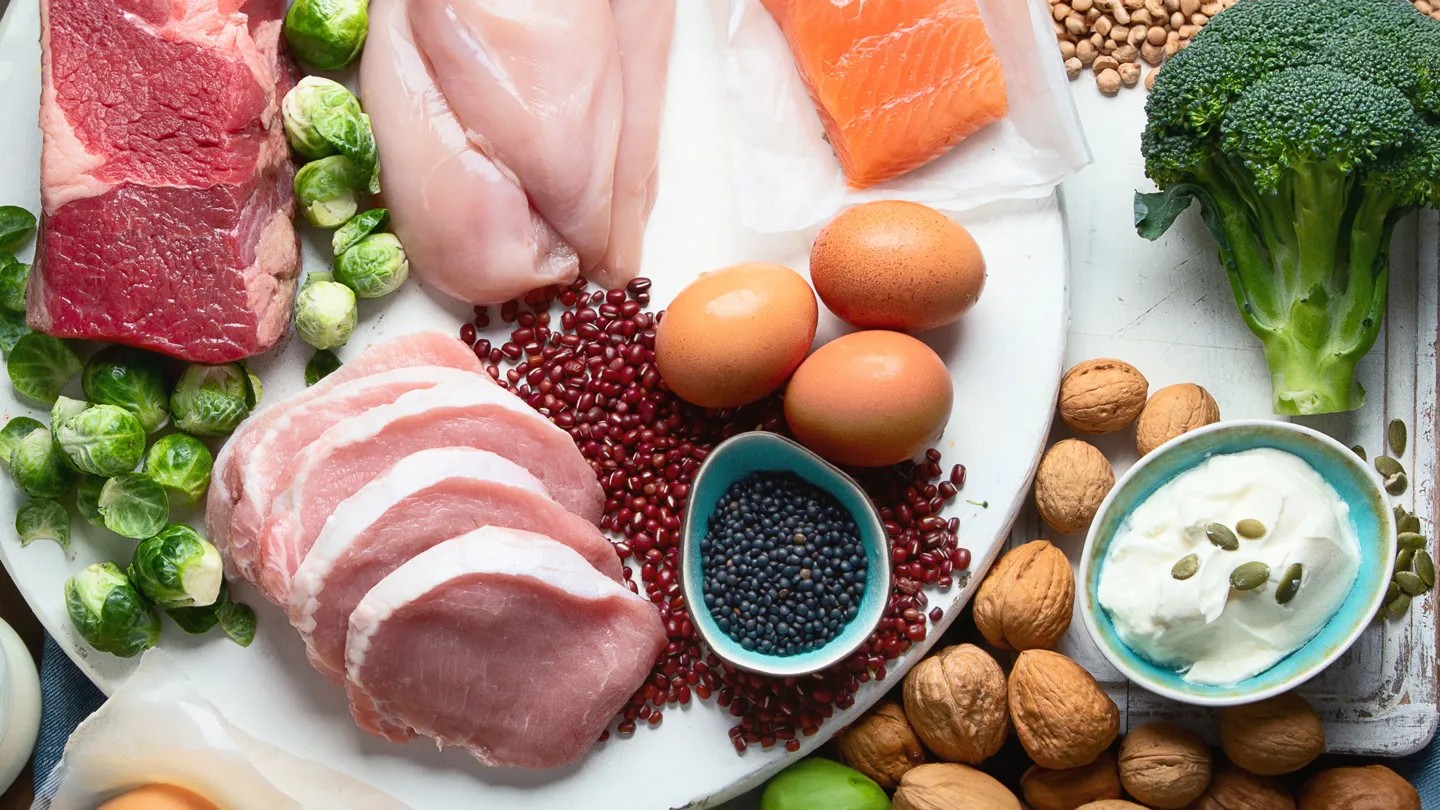
The wellness industry has pushed protein into everything from pasta to lattes, and recent dietary guidelines suggest adults should consume significantly more daily—between 1.2 to 1.6 grams per kilogram of body weight. But experts caution that most people already get enough, and excessive protein intake can lead to long-term health issues.
While a high-protein diet isn’t immediately harmful for healthy individuals, consistently overdoing it can trigger warning signs that warrant attention. Here’s what to watch for:
1. Chronic Dehydration
When you consume more protein than your body needs, your kidneys work harder to process the nitrogen byproduct of amino acid metabolism. This forces increased urination, leading to dehydration. Symptoms include thirst, fatigue, dizziness, dry skin, and sunken eyes.
2. Foamy Urine: A Kidney Warning
Foamy urine can indicate proteinuria—high protein levels in urine—potentially signaling kidney damage. Some studies suggest a link between high protein intake and this condition, though further research is needed. Frequent urination often accompanies this symptom.
3. Kidney Stones: A Risk for Some
Excess animal protein intake doesn’t directly cause kidney stones, but it can exacerbate the risk, especially if you have a history of them or urinary tract infections. Frequent urination to purge nitrogen can alter urine acidity, promoting oxalate formation—a key component of kidney stones.
4. Digestive Distress: Irregular Bowel Movements
Any extreme nutrient intake, including protein, can disrupt digestion. High-protein diets often lack fiber, leading to constipation and digestive issues. A balanced diet is key to regulating bowel function.
5. Unexpected Weight Gain
Despite being marketed for weight loss, high-protein diets don’t guarantee results. If your overall calorie intake remains high, even if primarily from protein, you may gain weight. The effectiveness depends on maintaining a calorie deficit.
Balancing Protein Intake
Most people already consume enough protein without intentional effort. A 3-ounce serving of cod provides around 17 grams, while 4 ounces of chicken breast offers 26 grams—quantities often exceeded in typical meals.
Prioritize portion control and diversify your diet with whole grains, fruits, vegetables, nuts, and legumes. A Mediterranean-style diet, with approximately 15% of calories from protein alongside healthy fats and complex carbohydrates, is often optimal.
Individuals with specific needs—such as those recovering from surgery, elite athletes, or those experiencing age-related muscle loss—may benefit from higher protein intake. However, for most, consulting a healthcare professional before making significant dietary changes is crucial.
Bottom line: Consistently excessive protein consumption can strain your kidneys and lead to uncomfortable or serious health consequences. Moderation, balance, and professional guidance are essential for maintaining optimal health.


