



Many people habitually peel away the white layer beneath an orange’s rind – the pith – due to its slightly bitter taste and texture. However, that often-discarded part of the fruit is surprisingly rich in nutrients, offering health benefits you might be missing out on. Here’s why keeping the pith on your orange can be a simple way to boost your intake of fiber, antioxidants, and even vitamin C.
What Exactly Is Orange Pith?
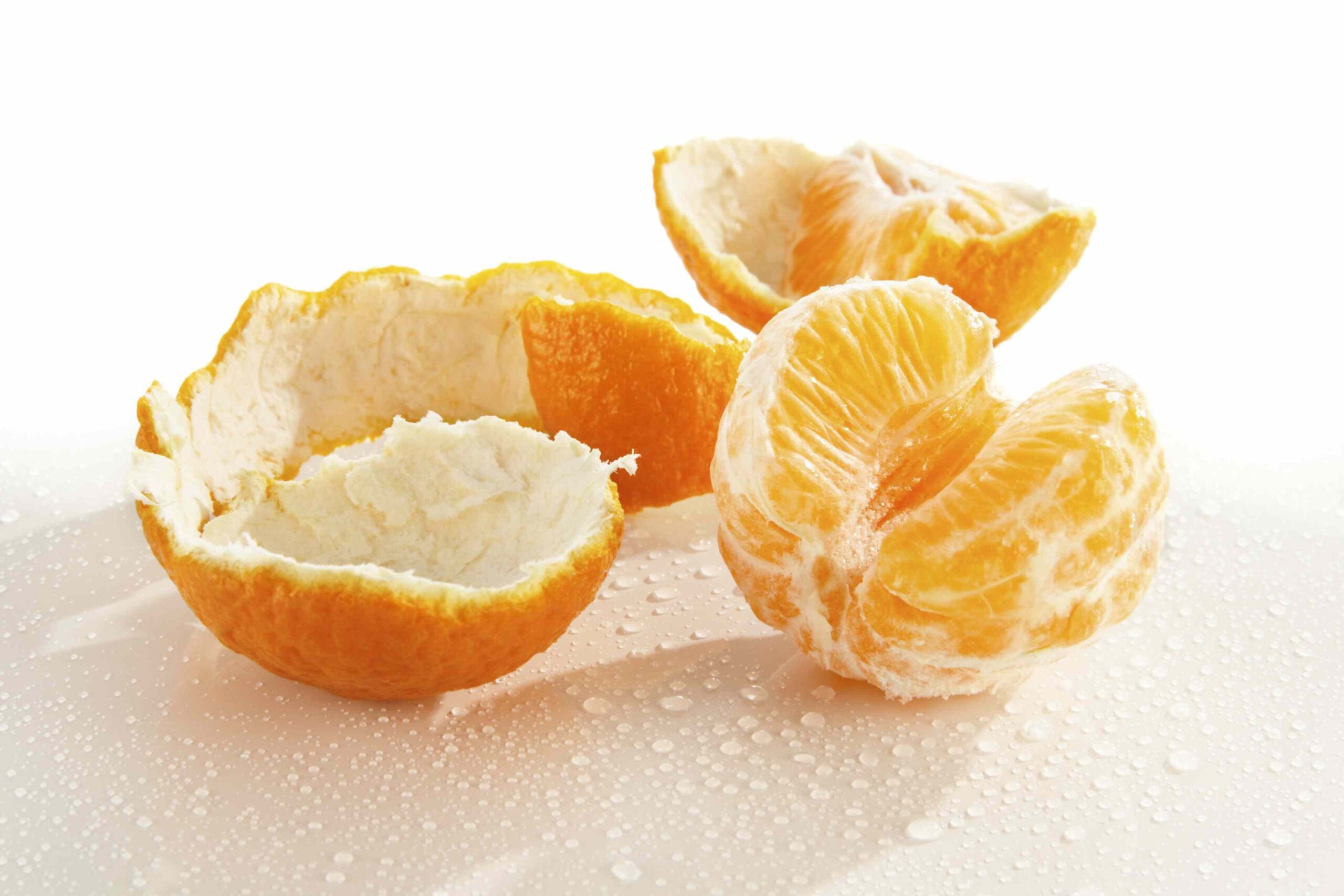
The pith, technically called the albedo, is the spongy, white layer between the orange segments and the peel. It makes up roughly 25% of the fruit and is primarily composed of fiber – specifically cellulose and pectin. It’s not unique to oranges; lemons, limes, grapefruits, and pomelos also have pith. While most people remove it, small pieces often remain attached to the flesh, and experts say leaving them on can increase the nutritional value of your snack.
Why Nutritionists Recommend Eating It
According to registered dietitians, orange pith isn’t just harmless; it’s actually quite healthy. It contains significant amounts of fiber, antioxidants, and vitamin C – sometimes more than the flesh itself. This is particularly important because modern diets often lack sufficient fiber, a critical component for digestive and heart health.
The Unexpected Nutritional Power of White Pith
The pith offers several key nutrients:
- Fiber: Both soluble and insoluble fiber are abundant in the pith. Insoluble fiber aids digestion, while soluble fiber can lower cholesterol and stabilize blood sugar levels. Pectin, a key component, creates a gel-like substance in the gut, slowing digestion and promoting fullness.
- Antioxidants: The pith is packed with flavonoids (like hesperidin) and carotenoids (like beta-carotene). These compounds combat inflammation and may reduce the risk of chronic diseases like heart disease, age-related macular degeneration, and certain cancers. Research indicates that the pith contains more flavonoids than the fruit itself.
- Vitamin C & Micronutrients: While the flesh contains the bulk of an orange’s vitamin C, the pith contributes a notable boost. It also contains small amounts of potassium, essential for blood pressure regulation.
Potential Downsides: Pesticides & Bitterness
The main drawback of eating pith is its bitter taste. Beyond that, citrus fruits are often treated with pesticides and fungicides, which tend to accumulate in the peel and pith rather than the flesh. Washing the orange thoroughly or choosing organic options can mitigate this risk. Studies show that peeling the fruit removes up to 82-100% of pesticide residue, depending on the specific compound.
Do You Need to Eat It?
No. You don’t have to eat the pith to enjoy the health benefits of an orange. The flesh alone remains highly nutritious. However, if you don’t mind the slight bitterness, keeping the pith on is a simple way to maximize your intake of fiber and antioxidants.
“If you want a little more bang for the buck, eating the pith can be a simple way to get more fiber and antioxidants out of an orange,” said Avery Zenker, RD.
In the end, whether you peel it or eat it is a matter of preference, but knowing the nutritional value of this often-discarded part of the fruit might change your mind.