


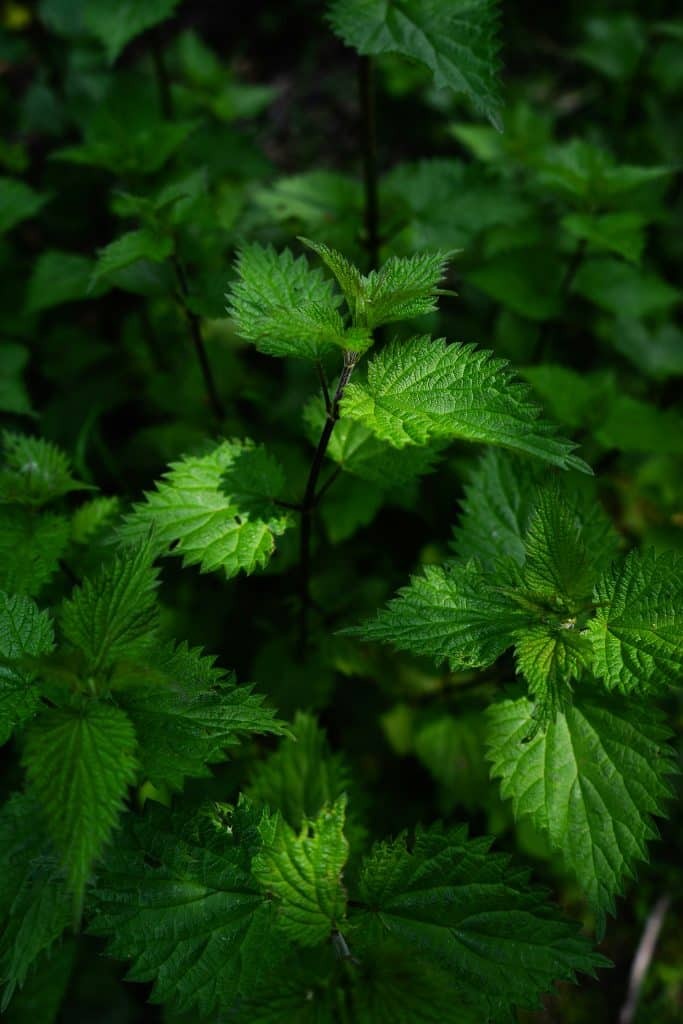
Millions brace for spring with dread – watery eyes, endless sneezing, and the inescapable misery of allergy season. Yet, hidden in plain sight, the very plant responsible for some of nature’s most irritating stings may also offer a surprisingly effective remedy: the stinging nettle.
For centuries, traditional herbalists have valued Urtica dioica for its medicinal properties. Now, modern science is confirming what folklore long suggested: processed nettle extracts can calm the overactive immune responses that drive seasonal allergies. The paradox is real—a plant that causes reactions may also relieve them.
The Allergy Cycle Explained
Allergic rhinitis, or hay fever, affects an estimated 20% of the global population. It’s an inflammatory response triggered when the immune system misidentifies pollen as a threat. This leads to the release of histamine and other pro-inflammatory chemicals, causing congestion, sneezing, and itching. The key to understanding nettle’s effect lies in how it interrupts this cascade.
How Nettle Works: A Deep Dive
Research has identified specific compounds within nettle extract that interfere with the allergic response. A landmark study in Phytotherapy Research (Roschek et al., 2009) pinpointed the mechanisms at play. Nettle is rich in flavonoids, particularly quercetin and rutin, which stabilize mast cells to prevent histamine release. This reduces inflammation and helps restore a healthy immune balance.
Quercetin is the star ingredient: It suppresses pro-inflammatory cytokines, leukotrienes, and even lowers levels of IgE antibodies (the ones that trigger allergic reactions). This isn’t just theory; a 2024 review in ScienceDirect confirmed quercetin’s effectiveness across multiple allergic conditions, including rhinitis, dermatitis, and asthma. Nettle delivers these benefits alongside its own direct anti-allergic mechanisms, making it a potent botanical option.
Clinical Evidence: What the Trials Say
Clinical trials support these findings. Studies show that nettle extract, particularly in freeze-dried leaf or root form, can reduce both subjective allergy symptoms and objective markers of inflammation. While larger, long-term trials are still needed, the current evidence suggests nettle can be a valuable complement to conventional allergy management.
Safe Use & Practical Guidance
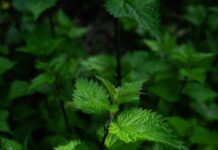
The key is processed nettle. Raw or fresh nettle stings due to hair-like structures on its leaves that release irritants. However, once dried, freeze-dried, steamed, or extracted, these compounds are deactivated. The most common forms for allergy relief include:
- Freeze-dried leaf capsules: 300 mg twice daily
- Root extract tablets: 150 mg daily
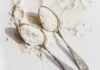
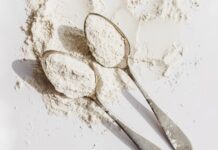
- Nettle tea: A gentler, less concentrated option
The Verdict: A Natural Ally
The science behind nettle’s anti-allergy properties is no longer just folklore. It’s supported by rigorous research, revealing its potential as a natural remedy. While not a replacement for antihistamines or immunotherapy in severe cases, processed nettle extract offers a well-evidenced botanical option for mild to moderate seasonal symptoms.
Just remember: handle fresh nettle with caution… and consider giving its processed form a second look this allergy season.