



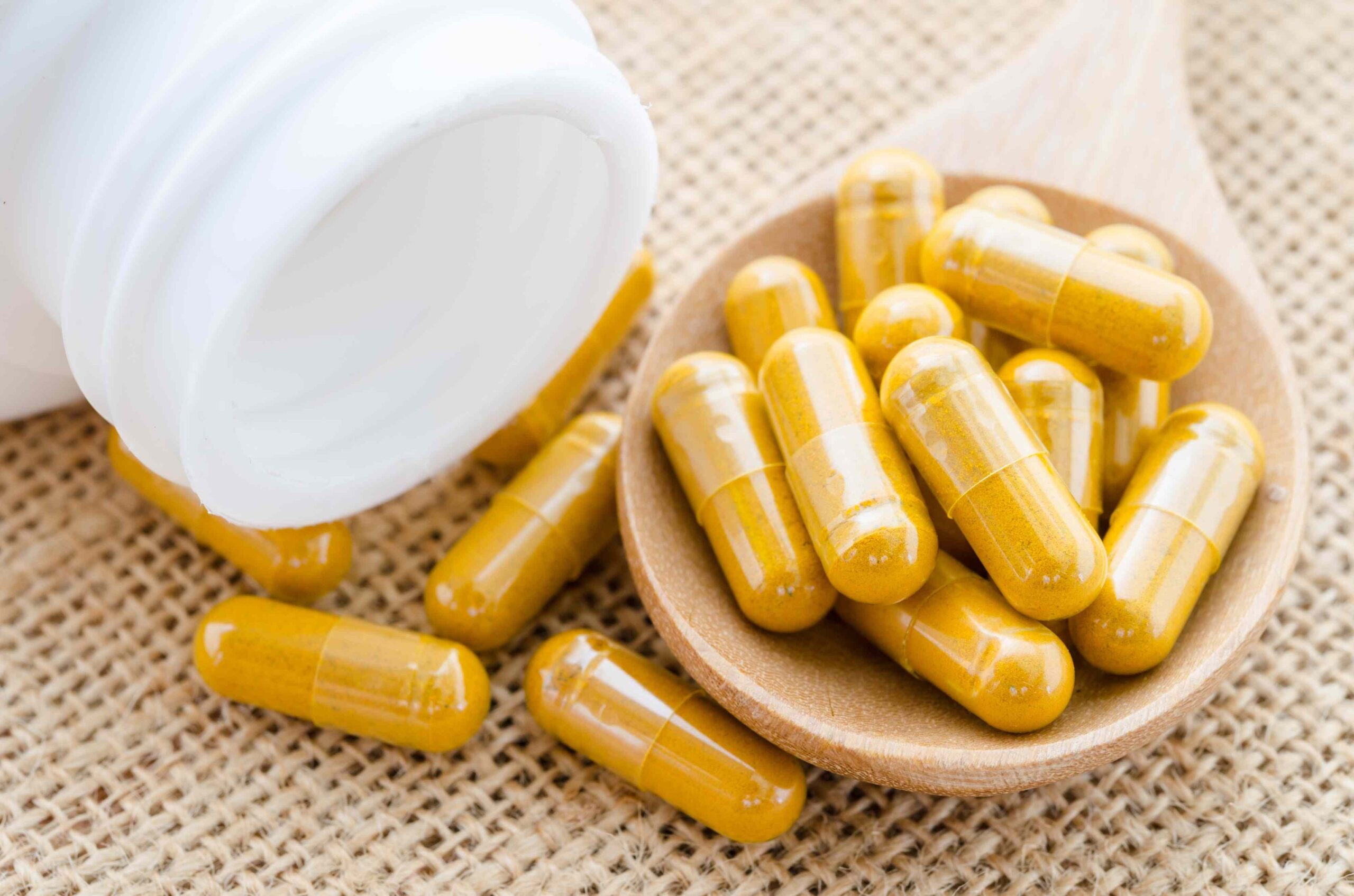
Some dietary supplements may complement the action of GLP-1 medications—drugs increasingly used for weight management and type 2 diabetes. While not substitutes for prescribed treatments, these supplements could potentially amplify their benefits. Always consult a healthcare professional before integrating any new supplement into your regimen, as interactions with existing medications or underlying conditions are possible.
Berberine: A Natural GLP-1 Mimic?
Berberine, a compound extracted from various plants, demonstrates an ability to improve the body’s glucose metabolism by activating energy regulation pathways. Studies suggest it can lower blood sugar and enhance insulin sensitivity, mechanisms that parallel those of GLP-1 drugs.
Some research indicates that berberine may synergize with GLP-1 medications, potentially increasing their efficacy. A common dosage involves three 500-milligram doses daily. However, berberine has systemic effects and can interact with other medications, making medical consultation essential before use.
Curcumin: Reducing Inflammation to Boost GLP-1
Curcumin, the active component of turmeric, acts as an antioxidant and anti-inflammatory agent. Its potential benefit lies in improving gut health and reducing systemic inflammation, which may indirectly increase GLP-1 levels. A recent study showed that curcumin supplementation increased GLP-1 and improved glucose handling in individuals with metabolic conditions.
Bioavailability is a concern with curcumin, but combining it with piperine (from black pepper) or using specialized formulations can enhance absorption. A typical daily dose ranges from 500 to 1,000 milligrams.
Resveratrol: Metabolic Support for GLP-1 Activity
Resveratrol, found in red grapes, red wine, and certain berries, shows promise in supporting energy metabolism. Although more human studies are needed, preliminary research suggests it may increase GLP-1 levels and activate genes involved in metabolic regulation.
Resveratrol is generally safe at dosages under 1,000 milligrams per day, but medical guidance is recommended before starting supplementation.
Probiotics: Gut Health and GLP-1 Connection
Probiotics, beneficial gut bacteria, can influence GLP-1 levels by modulating the gut microbiome. Reviews of multiple studies indicate that some probiotic strains enhance GLP-1 activity and improve metabolic function. However, no single strain has been definitively identified as most effective.
Probiotics are generally safe for most people, but individual responses may vary based on existing gut health.
Omega-3 Fatty Acids: Reducing Inflammation, Supporting GLP-1
Omega-3 fatty acids, commonly found in fish oil, possess anti-inflammatory properties that may indirectly support GLP-1 release. One study found that omega-3 supplementation correlated with higher GLP-1 levels and improved insulin sensitivity.
Standard daily doses typically range around 1,000 milligrams of fish oil, delivering approximately 300 milligrams of omega-3s. Individuals on blood thinners should exercise caution, as omega-3s can increase bleeding risk.
In conclusion, while these supplements may offer synergistic benefits alongside GLP-1 medications, their efficacy and safety depend on individual factors and medical oversight. Always prioritize professional medical advice before introducing any new supplement to your routine.