


The thyroid gland relies on specific nutrients to function correctly. Consuming enough iodine, selenium, and zinc is crucial for hormone production and overall thyroid health. However, it’s not just what you eat, but how much and how often. This guide breaks down the best foods to include and those to limit for optimal thyroid function.
The Essential Nutrients
The thyroid’s primary role is to regulate metabolism, so deficiencies in key nutrients can lead to hypothyroidism (underactive thyroid) or other imbalances. Here’s how to get them:
1. Iodine-Rich Foods:
Iodine is non-negotiable for thyroid hormone synthesis. The recommended daily intake (DV) is 150 micrograms. Good sources include:
- Fish: Cod provides 97% of the DV in just 3 ounces. Even processed fish sticks deliver a decent 57 micrograms per serving.
- Seaweed: Two tablespoons of dried nori contain 77% of the DV, but moderation is key. Excessive iodine can trigger hypothyroidism. One seaweed salad a week is a safe bet.
- Dairy: One cup of non-fat milk provides 56% of the DV. Greek yogurt offers 50% per ¾ cup. Iodine levels in dairy vary based on livestock supplementation and cleaning practices.
- Eggs: A single hard-boiled egg contains 21% of the DV, with most of the iodine concentrated in the yolk.
- Shellfish: Shrimp offers 9% of the DV per 3 ounces, alongside beneficial omega-3 fatty acids that combat inflammation.
2. Selenium-Rich Foods:
Selenium regulates thyroid hormones and may protect against autoimmune damage (like in Hashimoto’s thyroiditis).
- Brazil Nuts: Just one Brazil nut contains 68-91 micrograms of selenium. The upper limit is 400 micrograms daily, so consume these in moderation.
- Tuna: 3 ounces of yellowfin tuna provide 167% of the DV.
- Sardines: 3 ounces of canned sardines offer 82% of the DV.
- Spaghetti: Surprisingly, one cooked cup contains 60% of the DV.
Caution : Too much selenium can cause adverse effects, including hair loss and even heart problems.
3. Zinc-Rich Foods:
Zinc deficiency can contribute to hypothyroidism. Most people get enough, but those with poor diets or digestive issues may be at risk.
- Oysters: 3 ounces of cooked oysters provide 256% of the DV.
- Beef: 3 ounces of sirloin steak deliver 35% of the DV.
- Fortified Cereals: A single serving can provide 25% of the DV.
Supporting Foods: Antioxidants and Cruciferous Vegetables
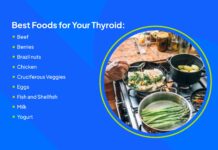
Berries are packed with antioxidants, protecting cells and supporting thyroid function. Black raspberries stand out for their high antioxidant content.
Cruciferous vegetables (broccoli, cauliflower, kale) are generally healthy, but excessive raw consumption (over 1 kilogram daily for prolonged periods) may interfere with iodine uptake. Cooking them mitigates this effect.
Foods to Limit or Avoid
Certain foods can worsen thyroid conditions. Awareness is key:
Gluten: Autoimmune thyroid diseases often coexist with celiac disease. If you have celiac, a strict gluten-free diet is essential. The link between gluten and thyroid function is still being researched.
Processed and Fast Foods: These foods often lack iodized salt, which manufacturers aren’t required to add. Overconsumption also increases sodium intake, raising the risk of hypertension.
Conclusion:
Supporting thyroid health isn’t about a restrictive diet, but about balanced intake of essential nutrients. Prioritize iodine-rich foods, moderate selenium and zinc, and be mindful of potential interference from excessive cruciferous vegetable consumption. Avoiding processed foods is also crucial for overall health.