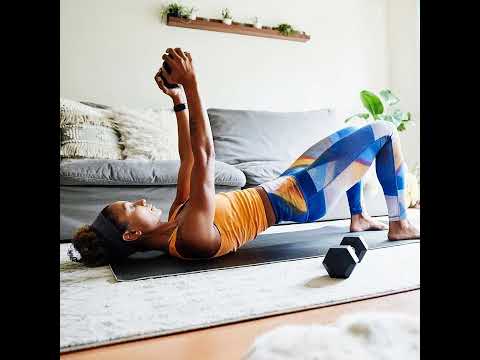
Strength training isn’t just about building muscle; it’s a cornerstone of lifelong health for women. From protecting bone density to boosting mood and resilience, incorporating resistance into your routine can transform how you feel and function at any age. This guide breaks down why strength training matters, how to start, and how to make it sustainable, even if you’ve never lifted a weight before.
Why Strength Training Matters for Women
For too long, women have been discouraged from strength training, often under the myth that it leads to bulkiness. The truth is, strength training builds lean muscle, protects bone health, and supports a healthy metabolism, especially as hormones shift over time. It’s not just physical; it boosts energy, improves mood, and builds internal resilience.
The benefits are especially crucial as women age. Muscle mass naturally declines with age, but strength training can slow this process, preserving strength, balance, and independence. It’s about feeling capable in your body, regardless of age.
Strength Training vs. Resistance Training: What’s the Difference?
These terms are often used interchangeably, but there are subtle differences. Strength training is the broad term for any movement that challenges your muscles against resistance. Resistance training is often used in research to describe the same concept. Weight training specifically refers to using external weights like dumbbells or barbells. For most people, the label doesn’t matter; the goal is to challenge your muscles safely and consistently.
Why Strength Training Matters at Every Age
- Younger Women (20s & 30s): Strength training builds a foundation for lifelong health, improving bone density, supporting hormonal balance, and enhancing posture. It also prevents injuries and sets lasting habits.
- Women Over 40: As estrogen levels drop, muscle and bone density decline faster. Strength training slows this process, preserving lean mass, protecting bones, and keeping metabolism steady. It also supports mood and cognitive function.
- Women Later in Life (50s, 60s, & Beyond): Strength training becomes essential for independence. It improves balance, coordination, and bone density, reducing the risk of falls and fractures. It also helps maintain energy, mobility, and confidence.
How to Start Strength Training: 10 Easy Tips
You don’t need a gym membership or expensive equipment to start. Here’s how to make strength training simple, effective, and sustainable:
- Start with Two Days a Week: Keep it manageable. Two short, full-body sessions on nonconsecutive days are enough to build strength.
- Warm Up Briefly: A few minutes of arm circles, marching in place, or slow squats prepares your body.
- Learn the Five Basic Movements: Squatting, hinging, pushing, pulling, and carrying are the foundation of most strength work.
- Focus on Form First: Good form prevents injuries and maximizes results. Keep movements slow and intentional.
- Progress Gradually: Increase reps, slow down movements, or add slight resistance over time.
- Use What You Have: Backpacks, water bottles, or even a heavy skillet can double as resistance.
- Rest and Recover: Take at least one rest day between sessions. Sleep, food, and water are just as important as workouts.
- Keep Sessions Short and Flexible: Fit strength training into your life, even if it’s just a few minutes at a time.
- Adapt to Your Body: Adjust movements based on your needs. Listen to your body and skip anything that doesn’t feel right.
- Celebrate Consistency, Not Perfection: Progress takes time. Focus on building a sustainable habit.
Strength Training FAQs
- What are the benefits of strength training for women? Improved bone density, muscle mass, metabolism, mood, and confidence.
- Do women need different routines than men? Not really, but women generally build lean muscle rather than bulk.
- How often should women strength train? Two to three sessions a week is sufficient.
- What’s the best type for women over 50? Resistance, balance, and mobility work are crucial.
- Is strength training safe for beginners? Yes, as long as you start gradually and focus on form.
Strength training is not just about lifting weights; it’s about building a stronger, healthier, and more resilient you. Start small, be consistent, and enjoy the journey