

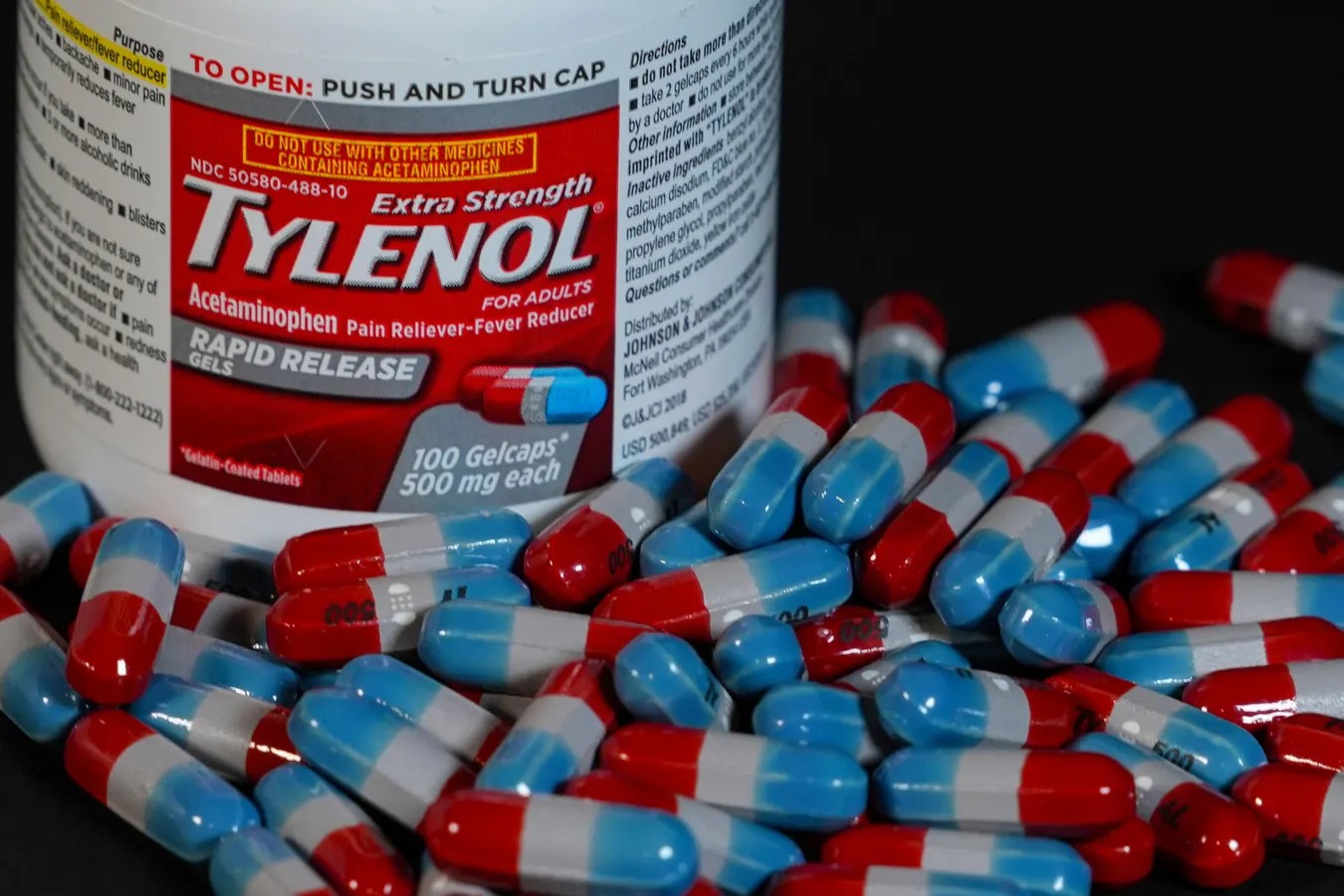
A courtroom drama is unfolding that has implications far beyond a single lawsuit—one that could erode public trust and jeopardize public health. A lawsuit filed by the Texas attorney general against the manufacturers of Tylenol, alleging a link between the pain reliever and autism, highlights the dangerous intersection of politics, science, and law. This article examines the scientific evidence, the legal precedents, and the broader consequences of this case.
The Science Behind the Claims – and Why It Falls Short
The lawsuit against Tylenol’s makers centers on the claim that acetaminophen (the active ingredient) increases the risk of autism. This assertion has circulated for years within online communities and anti-vaccine forums, gaining traction through endorsements from figures like President Donald Trump and Secretary Robert F. Kennedy Jr. However, there is no credible scientific evidence to support this claim.
- Consensus Disagreement: The Food and Drug Administration (FDA) and major medical groups – including the American College of Obstetricians and Gynecologists – have found no evidence linking Tylenol use during pregnancy to neurological conditions.
- Correlation vs. Causation: While some observational studies have noted an association, these studies do not prove that Tylenol causes autism. A 2024 study in JAMA, which used sibling controls to account for genetic and environmental factors, found no increased risk of autism or ADHD when these factors were considered.
The Legal Standard: A Steep Climb for Speculative Science
Winning a false-advertising or product-liability case requires proving that the company made false statements, knew those statements were false, and that these statements materially deceived consumers—a high bar to clear. Judges don’t assess medical truth, but rather whether the evidence meets a legal threshold.
- The Daubert Standard: In federal courts, expert testimony must be “scientifically reliable and relevant,” as per the Daubert standard. Weak or speculative science fails this test.
- Lack of Evidence: Texas has not produced internal documents demonstrating that Tylenol’s makers knew of any potential danger to pregnant women, suggesting the case relies on shaky science rather than concrete evidence.
A History of Evidence-Based Litigation
The current lawsuit contrasts sharply with successful consumer-protection cases based on overwhelming evidence of harm and intent to deceive.
- Tobacco Litigation: A landmark case involving millions of pages of internal industry documents proved that tobacco companies knew nicotine was addictive and deadly, even as they publicly denied it. This led to substantial settlements.
- Opioid Litigation: Similar investigations into opioid manufacturers revealed internal memos demonstrating deliberate efforts to downplay addiction risks—leading to historic settlements.
- The Key Difference: Both successful cases combined overwhelming evidence of harm with clear intent to deceive.
The Danger of State-Sanctioned Speculation
The consequences of the Tylenol lawsuit extend beyond the legal outcome. Lending authority to false claims can damage public trust and fuel confusion.
- Erosion of Trust: False claims about vaccines have already eroded public confidence; speculation about routine medications could do the same.
- Public Perception: A recent poll revealed that 77% of parents have heard claims linking Tylenol to autism, with nearly a third believing them. Among Republicans, this share was 57%.
- Wasted Resources: Beyond wasting taxpayer dollars, the lawsuit could discourage safe and effective treatments and undermine the authority of public health officials.
What Happens Next and the Trial of Credibility
- Legal Challenge: If Texas succeeds in moving the case forward, the court will need to determine if the state’s evidence meets scientific and legal standards, which seems unlikely given the current consensus.
- Public Impact: Even if the lawsuit is dismissed, the initial headlines linking Tylenol and autism may linger, overshadowing the lack of evidence.
- The Real Trial: Ultimately, the case is a trial of credibility: If science becomes a political weapon, public trust will suffer collateral damage.
The Texas lawsuit highlights a concerning trend where legal action is being used to spread misinformation and undermine public health. It serves as a crucial reminder of the importance of relying on credible scientific evidence and critically evaluating information—particularly when it comes from authority figures. The legal proceedings may resolve, but the erosion of public trust will remain a lingering consequence if it’s not addressed with transparency and a commitment to science