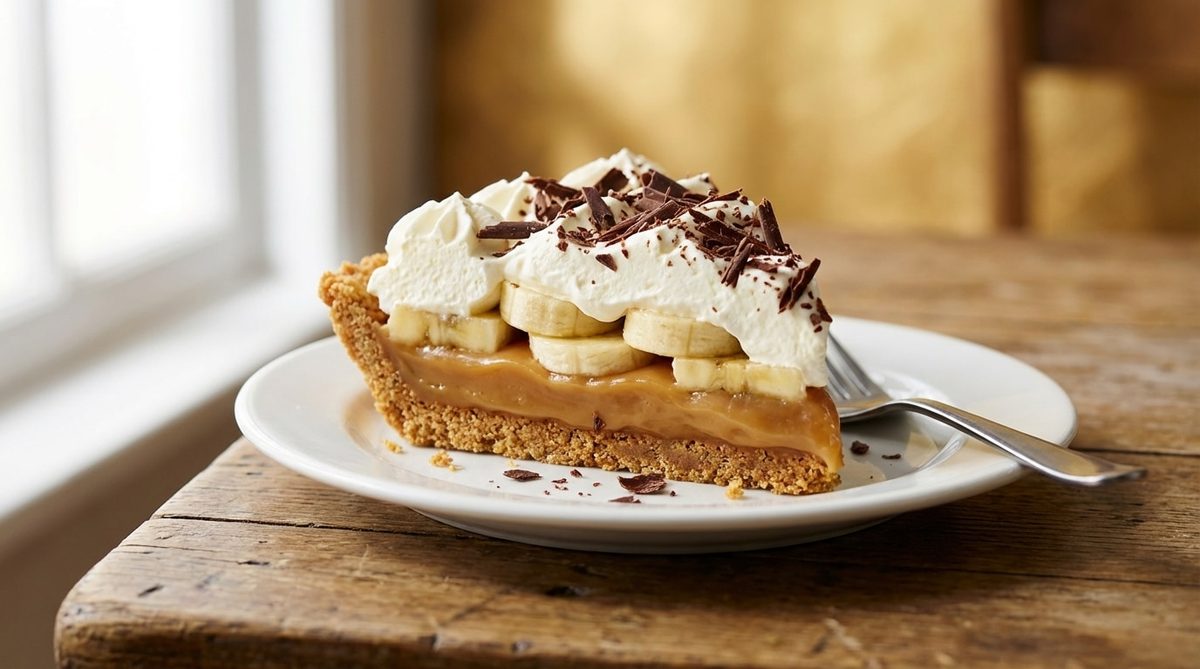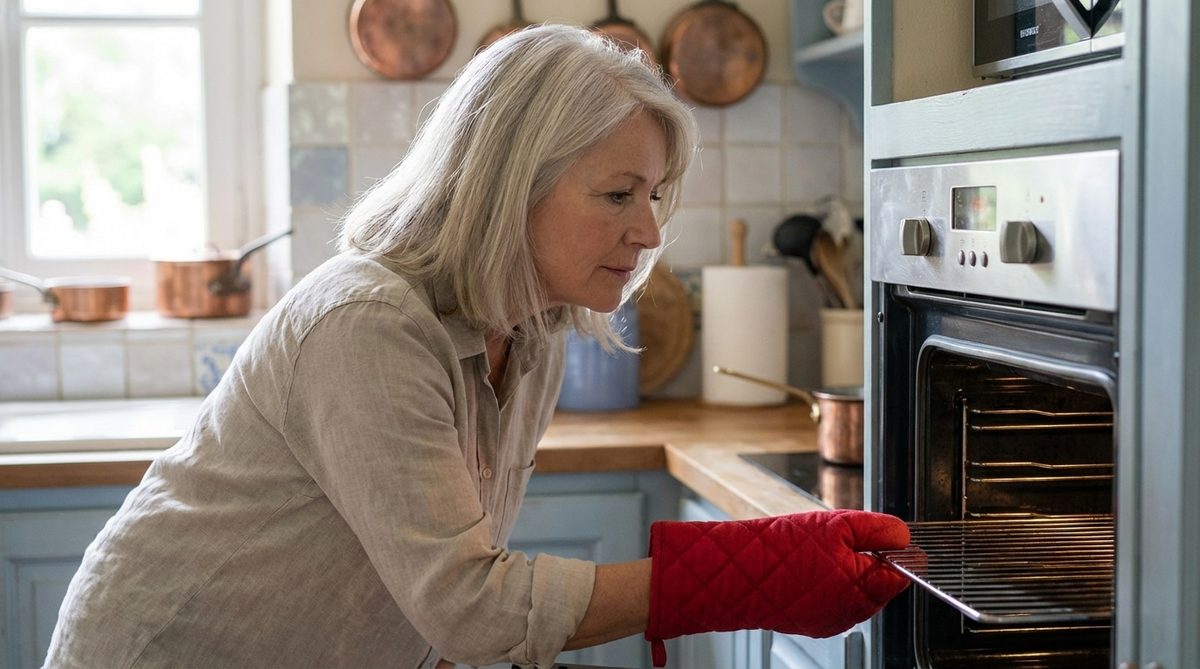
You follow the recipe exactly. You weigh every gram of flour. You look at the clock. You take the dish out and you’re sure it’s perfect. Then you cut into it.
The quiche is wet on the bottom. The gratin is soft and not crunchy. The surface of the cake is charred, while there is still raw dough in the middle.
It feels like a betrayal. You begin to doubt your abilities. You blame the oven thermostat. You question the quality of the ingredients.
But the problem is probably much simpler. It’s not your technique. It’s not your hardware’s fault.
It is the rack.
Most people place baking sheets in the middle of the oven without thinking. This is the default position. It’s a nice middle ground. But ovens are not uniform thermal chambers. These are complex environments with different thermal zones.
Ignoring the height of your rack is you ignore the geography of your kitchen.
How heat moves in the oven
It is assumed that convection ovens distribute the heat evenly. We turn on the fan and believe that this is a guarantee of perfection.
It’s a myth.
Even with a fan, the heat behaves differently depending on where it is in the box. The upper and lower heating elements form separate thermal layers. The air circulates, but does not mix perfectly.
Placing the bowl in the center is a compromise. It works for some things. For others, it fails.
Think of it like real estate. Location is everything. The excellent location on the second floor of the building has different advantages than the first floor. The same logic applies to your oven.
Understanding these zones allows you to master the chemistry of cooking. It turns guesswork into accuracy.
Choosing the Right Level for Your Dish
In order to manage your oven, you need to know what each level offers.
Top rack
This is located near the heating element. It produces strong, direct radiant heat.
Use this setting if you want a brown, crispy finish. It is ideal for gratins that require a golden crust. Works for grilling. It cooks food quickly on the surface.
However, it can happen that the outside burns before the inside is cooked. Use for browning, not cooking.
The Center Rack
This is the default position. It is the balance point.
The heat comes from above and below with approximately the same intensity. This makes it suitable for things that need to be cooked evenly without browning too much.
A classic example is cakes. You want them to rise evenly. You want the crumb to set without a burnt crust or raw bottom. The center rack provides that stability.
It is the safest choice for the most common baked goods. But “safe” doesn’t always mean “best”.
The Bottom Rack
This is located near the only heating element. It provides intense, direct heat from below.
This position is important for dishes that require a crispy base. Pizza needs a crispy crust, not a wet one. The bottom rack delivers that.
It is also suitable for roasting meats where you want a seared exterior. Strong bottom heat helps render fat and create structure.
Be careful. If you’re baking something delicate, the bottom heat can cause the bottom to burn before the top is cooked.
Why one size does not fit all
When you ignore rack position, you will force the oven to work against your goals.
A soggy quiche base often means that the heat from the bottom was too weak or too far away. Moving the rack down can fix that.
A burnt cake top indicates that the heat from above was too intense. Moving the rack down can mitigate
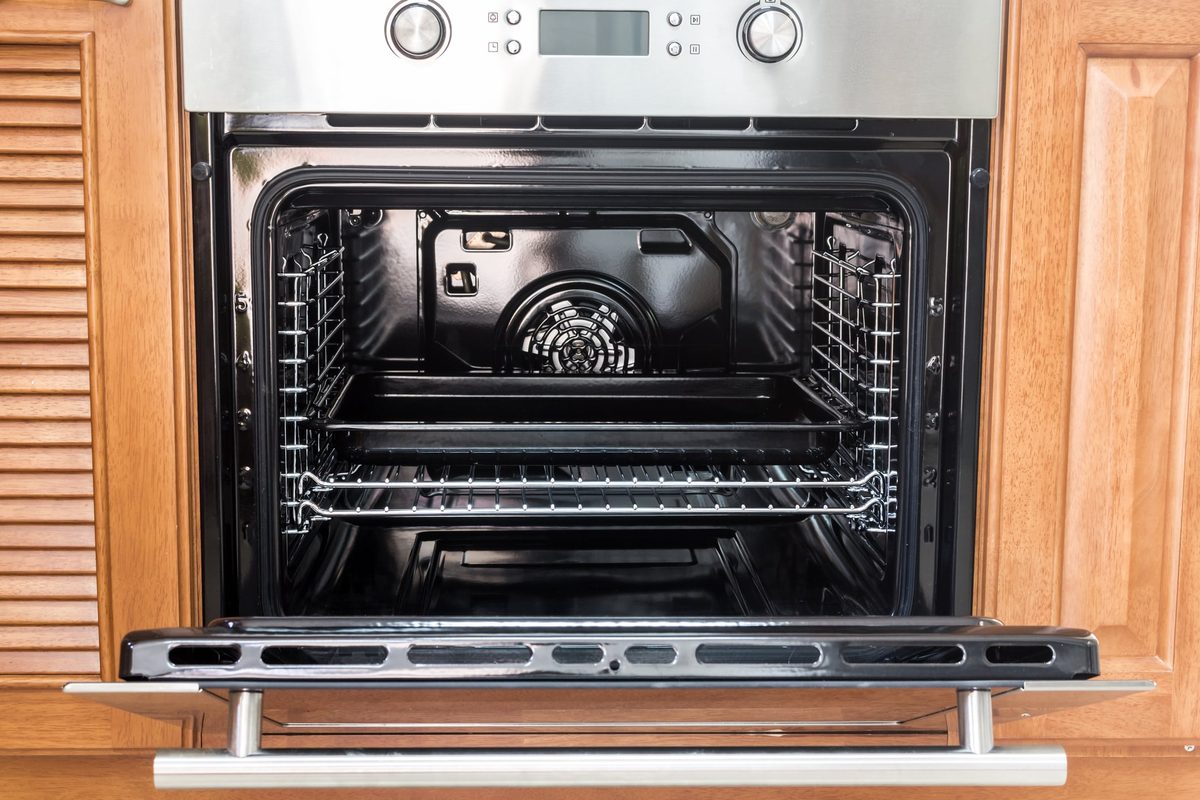

Don’t guess where your food goes in the oven. Rack position makes all the difference. It’s not just the height that matters. It’s about thermal physics.
Most home cooks think of the oven as a black box. You throw in a bowl. You hope for the best. This is why the cakes dry out. This is why the pie crusts turn into a wet mush. The solution is simpler than you think. You just have to respect the different heat zones of your oven.
Every shelf has a job to do. Each level provides a specific thermal response. Use the right spot for brown, depth or crunch. If you use the wrong one, you will be disappointed.
Top rack for fast, intense browning
The upper shelves are usually located on levels 5, 6 or 7. This zone is closest to the upper heating element or grill. The heat radiates directly onto the surface of the food.
This is not suitable for slow cooking. This is for surface action.
Place the bowl here if you need speed and power. Winter vegetables like squash and Brussels sprouts benefit from this. They caramelize quickly. They don’t turn to mush. The sugar on the surface hits the heat and turns brown before the inside cooks away.
This is also the best place for gratins. If you want a golden brown, crispy crust on your potato or pasta dish, move the rack up. Direct radiation creates the desired texture. Without this proximity to the heat source, the upper part remains pale and soft.
Central rack for even, gentle cooking
Go down to levels 3 and 4. This is a sweet spot. The air circulates optimally here. The heat is balanced.
This zone guarantees gentle and even cooking. It prevents one side from burning while the other remains raw. Most bakers know this instinctively, but few consistently honor it.
Use the middle rack for delicate cooking. Cake. Muffins. pastries. Lasagna. This includes everything that needs to be cooked to the center without over-coloring the surface. The ambient heat surrounds the container evenly. There is no danger of the top burning until the middle hardens.
If you’re cooking something covered, like a stew or a braised meat, the middle rack is often ideal. It ensures an even temperature without aggressive direct radiation.
Lower rack for a crispy bottom and for Roasted Meats
The lower shelves, usually levels 1 or 2, are the most underrated. They sit close to the underfloor heating element. The heat comes from below.
This creates a special advantage: a crispy base.
If you are making quiches, pizzas or fruit tarts, place the pan on the lowest shelf. The intense heat from the bottom cooks the pastry first. The crust becomes golden and firm. This is done before the moisture from the filling can run down and make the dough soggy. A limp tart shell is often the result of using the wrong rack rather than a bad recipe.
This level is also suitable for large pieces of meat. Roasts benefit from direct bottom heat. It cooks through the thickness of the meat. The surface does not burn prematurely. You get a firm roast without a charred exterior.
Mental transformation: First define your goals
Take a break before starting the oven. Think about how you want the food to look when it comes out.
Need a shell? Go upstairs.
Do you even need to cook? Stay in the middle.
Need a crispy base? Drop down.
This simple sanity check will prevent disaster. It turns cooking from a game of luck into a process.
Here’s a quick guide to keep in mind:
- Top rack (gratin): Ideal for roasted winter vegetables, gratins and quick cooking under the grill.
- Middle rack (even baking): Ideal for making cakes, biscuits, lasagna and covered dishes that require even heat.
- Bottom Rack (crispy bottom): Choice for homemade pizzas, quiches, juicy fruit tarts and large roasts.
Adjusting the height of the rack is free. It takes two seconds. It has a huge impact on the final result.
Don’t let the location of your food be a coincidence. Take control. Your future self – and your dinner guests – will notice the difference. You may find that your favorite pizza recipe was never a problem. Or that the dry cake was never about baking skills. It was just a mistake in the rack position.
The next time you cook, choose the shelf carefully. See what happens.