



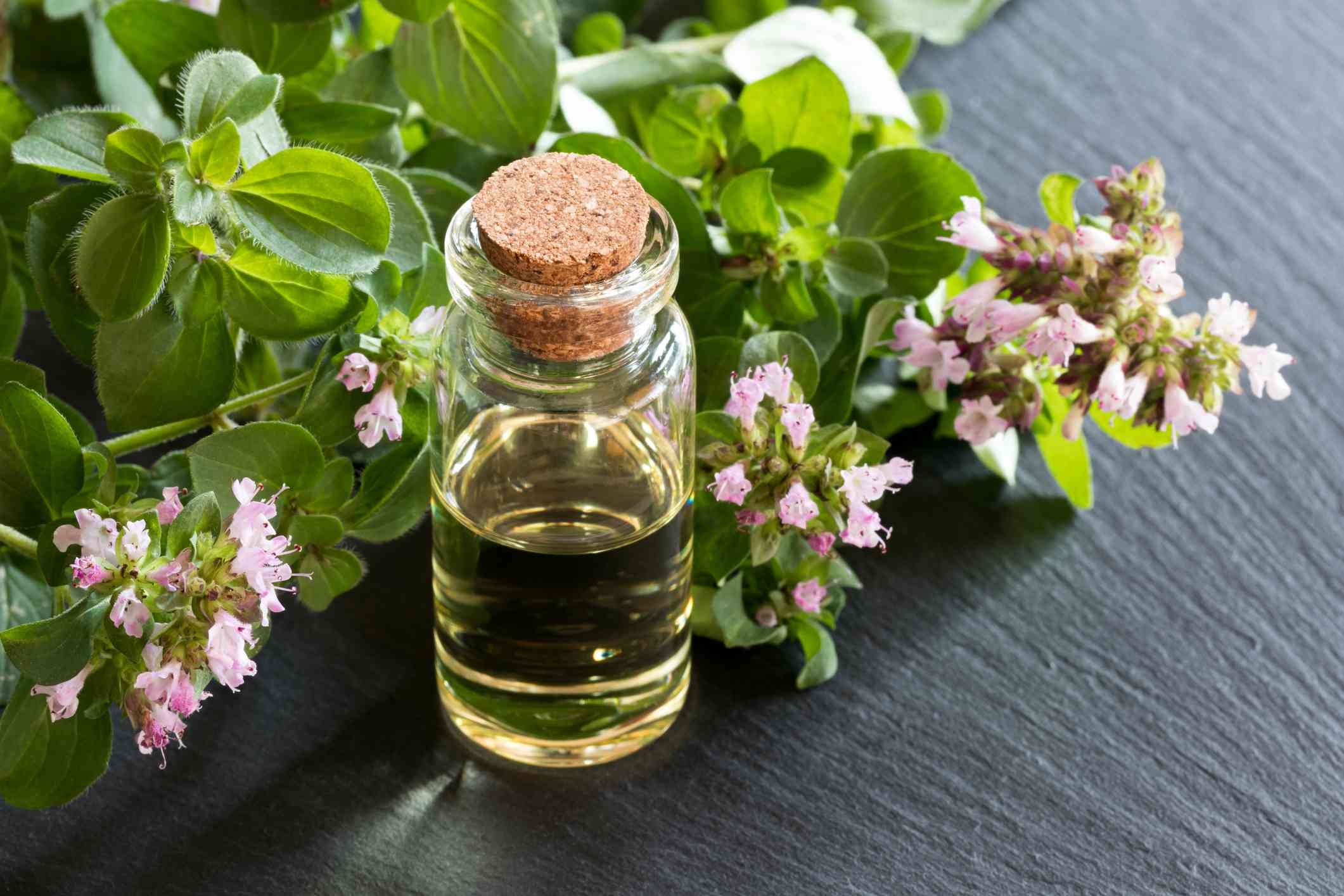
Oregano, a familiar herb gracing Italian dishes and adding zest to Mexican cuisine, holds more than just culinary appeal. Extracted from various parts of the Origanum vulgare plant, oregano oil packs a punch with its potent antioxidant, antibacterial, and antifungal properties. While promising for treating infections and promoting gut health, it’s crucial to approach this natural remedy with awareness.
What Exactly Is Oregano Oil?
Oregano oil, also known as oregano extract or simply oregano essential oil, is concentrated essence extracted from the oregano plant, native to Europe, Asia, and the Mediterranean region. It’s a member of the mint family and has been used both for flavoring food and traditional medicinal purposes.
However, before reaching for an oregano oil supplement or topical application, keep in mind that most research on its potential benefits comes from test tubes or animal studies. Human trials are relatively limited, meaning more investigation is needed to solidify these benefits. It’s always best to consult your doctor before incorporating oregano oil into your health regimen, particularly regarding dosage and potential interactions with medications you might be taking.
Potential Benefits Backed by Research (With Cautions)
-
Antibacterial Powerhouse: Studies have shown that oregano oil can effectively combat bacterial infections when applied topically. Carvacrol, a key antioxidant component of oregano oil, is largely responsible for this antibacterial action. A 2021 study highlighted the remarkable effectiveness of oregano oil against 11 types of antibiotic-resistant bacteria.
-
Fighting Fungal Infections: Oregano may also offer relief from fungal infections. Research suggests that topical antifungal treatments containing oregano extract improved nail fungus in a small group of participants (20 people) in a 2020 study. However, these formulations included other ingredients, making it difficult to isolate the specific impact of oregano oil alone.
-
Respiratory Support: Traditionally used for conditions like asthma, coughs, and bronchitis, oregano’s potential respiratory benefits might stem from carvacrol. Studies indicate that carvacrol supplements could enhance lung function and reduce inflammation in individuals with lung damage or asthma. More research is needed to determine if oregano oil itself produces similar effects.
-
Rich Antioxidant Source: Both fresh and dried oregano are packed with antioxidants, which protect your cells by neutralizing unstable molecules called free radicals. Oregano oil stands out for its abundance of carvacrol, thymol, and octacosanol—powerful antioxidants that have demonstrated cell-protective properties in laboratory settings.
-
Inflammation Fighter: Preliminary research indicates that oregano oil possesses anti-inflammatory properties. A 2018 study showed topical application of oregano extract significantly reduced inflammation in rats induced by Propionibacterium acnes, the bacteria often linked to acne.
-
Gut Health Support: Historically, oregano has been used to ease digestive woes like indigestion, diarrhea, and upset stomachs. Though human research is limited, it’s theorized that oregano oil might hinder the growth of harmful gut bacteria. Some herbal preparations containing oregano have even shown promise in treating small intestine bacterial overgrowth (SIBO), potentially rivaling the effectiveness of antibiotics.
Important Considerations Before Using Oregano Oil
While oregano oil holds potential benefits, certain factors warrant careful consideration:
- Allergic Reactions: If you’re allergic to plants like basil, mint, or sage (all members of the Lamiaceae family), exercise caution with oregano oil as cross-reactivity is possible.
- Pregnancy and Breastfeeding: Safety during pregnancy and breastfeeding hasn’t been fully established, so it’s best to avoid oregano oil supplements during these periods.
-
Surgery: Due to its potential to increase bleeding risk, discontinue oregano oil use several days before surgery, especially if you’re using high doses.
-
Children: Pediatric use should be guided by a pediatrician as children are more susceptible to adverse effects from essential oils.
Potential Interactions with Medications and Supplements:
Oregano oil might interfere with certain medications, including:
- Blood thinners
- Diabetes medications
- Herbs that lower blood sugar (e.g., bitter melon, chromium, aloe)
- Herbs that slow blood clotting (e.g., garlic, ginger, ginkgo).
Always inform your doctor about any supplements or herbs you’re taking to avoid potentially harmful interactions.
Choosing and Using Oregano Oil Safely:
- Fresh vs. Extracted: While fresh oregano leaves are generally safe in moderation, oregano oil extracts are much more concentrated.
- Quality Matters: Purchase oregano oil from reputable brands that provide details on sourcing and extraction methods. Look for pure oregano essential oil (100% Origanum vulgare) to avoid adulterated products.
- Safe Application and Dosage: Follow recommended dosages found on product labels carefully. Never ingest undiluted oregano essential oil directly.
Possible Side Effects: While oregano oil is generally well-tolerated, exceeding recommended doses can lead to side effects such as:
- Nausea
- Stomach upset
- Heartburn
Oregano oil offers a fascinating glimpse into the potential of natural remedies, but responsible use guided by professional advice is essential for reaping its benefits safely and effectively