




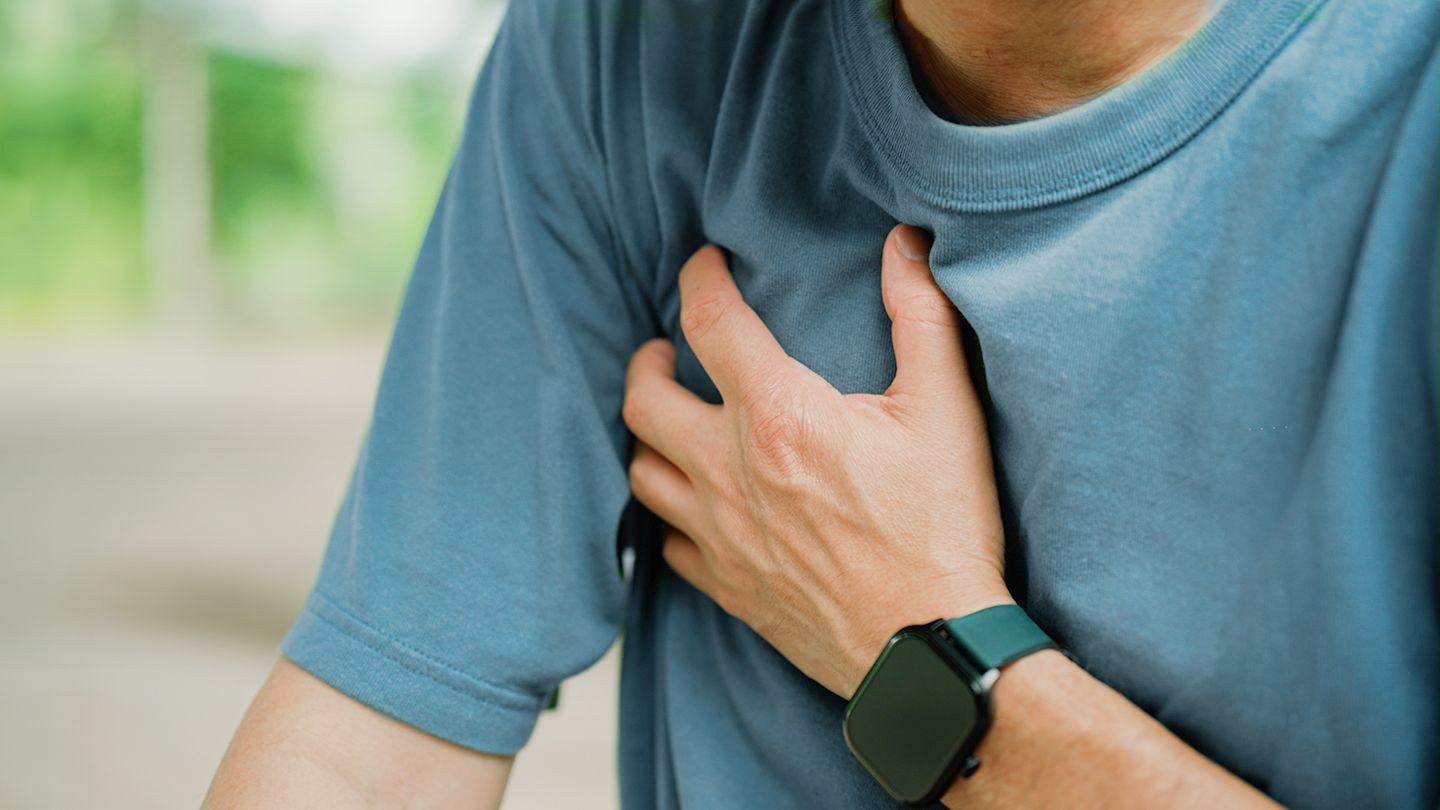
Undergoing lung cancer surgery—whether it is a lobectomy (removing a lobe), a segmental resection, or a wedge resection —is a major medical milestone. While these procedures are essential for treating non-small cell lung cancer, the recovery phase presents several physiological and emotional challenges.
Because surgery alters your lung capacity and involves incisions near the ribs and nerves, your body undergoes a significant period of adjustment. Understanding what to expect can help reduce anxiety and allow you to manage symptoms more effectively.
Managing Pain and Physical Discomfort
Pain is one of the most immediate side effects of thoracic surgery. Because surgeons often work between the ribs, nerve-related pain is common. This can manifest as aching, burning, or pressure in the chest, back, or upper abdomen.
What to expect:
* Intensity: Pain is typically most intense during the first 5 to 7 days.
* Duration: While acute pain subsides within a few weeks, mild stiffness or soreness may linger for several months.
* Method matters: Minimally invasive techniques (robotic or video-assisted surgery) generally result in less pain than traditional open surgery.
Strategies for Pain Relief
- Stay proactive: Do not wait for pain to become severe before taking medication. Taking prescribed pain relievers on schedule makes them much more effective.
- Support your incision: Hold a pillow firmly against your chest when coughing, sneezing, or moving to stabilize the area.
- Gentle movement: Walking daily helps improve circulation and reduces stiffness, even if it feels uncomfortable initially.
- Observe restrictions: Avoid heavy lifting (often defined as anything heavier than a gallon of milk) for the first 2–4 weeks, or as directed by your surgeon.
Addressing Shortness of Breath
It is natural to feel “winded” following surgery. A lobectomy reduces your total lung capacity, meaning your body has less volume to work with. Additionally, many patients subconsciously take shallow breaths to avoid the pain of deep breathing, which can actually worsen the feeling of breathlessness.
The recovery timeline: Most patients find their breathing returning to a near-normal state within 6 to 8 weeks as the remaining lung tissue adapts.
Strategies for Improved Breathing
- Use an incentive spirometer: This handheld device is crucial for exercising your lungs and preventing complications. Continue using it at home as instructed.
- Try “Pursed-Lip” breathing: Inhale slowly through your nose for two counts, then exhale through pursed lips (as if whistling) for four counts. This helps regulate airflow.
- Prioritize smoking cessation: If you smoke, quitting is the single most impactful step you can take to accelerate lung recovery.
Overcoming Fatigue and Low Energy
Fatigue is one of the most persistent side effects. It is caused by a combination of factors: the lingering effects of anesthesia, reduced lung capacity, pain medications, and the emotional toll of a cancer diagnosis.
The recovery timeline: While energy levels vary, most people see a gradual return to their usual stamina within about four weeks.
Strategies for Energy Management
- Pace your activity: Avoid the “boom and bust” cycle. Instead of staying in bed all day or overexerting yourself, alternate light activity (like short walks) with scheduled rest.
- Optimize your environment: Keep frequently used items within easy reach to minimize unnecessary movement.
- Fuel your body: Focus on a diet rich in proteins and complex carbohydrates to aid tissue repair. If your appetite is low, opt for smaller, more frequent meals.
Managing Cough and Congestion
After surgery, your airways may be irritated by the breathing tube used during the procedure, or your lungs may be struggling to clear mucus due to shifted airflow.
Important Note: Doctors often avoid prescribing cough suppressants immediately after surgery. A productive cough is necessary to clear mucus and prevent pneumonia.
Strategies for Respiratory Comfort
- Practice “Huff Coughing”: Instead of a violent, strenuous cough, take a deep breath and exhale in short, forceful “huffs” (as if trying to fog a mirror). This helps clear mucus more gently.
- Stay hydrated: Drinking plenty of water keeps mucus thin and easier to expel. Warm liquids like tea with honey can soothe a scratchy throat.
- Control your environment: Use a humidifier at night and avoid irritants like strong perfumes, smoke, or harsh cleaning chemicals.
⚠️ When to Contact Your Doctor
While discomfort is normal, certain symptoms require immediate medical attention. Contact your healthcare team if you experience:
– Worsening shortness of breath or chest pain.
– Fever or palpitations.
– Significant bleeding when coughing.
– Congestion that produces thick, colored mucus.
Summary: Recovery from lung surgery is a gradual process of adaptation. By managing pain proactively, practicing breathing exercises, and pacing your physical activity, you can support your body’s healing and regain your strength more effectively.