

Maintaining healthy blood pressure is crucial for cardiovascular health, and dietary choices play a significant role. Research consistently demonstrates that incorporating specific foods into your diet can help regulate blood pressure naturally. This article details ten such foods, backed by scientific studies, along with practical ways to integrate them into your meals.
Berries: Nature’s Blood Pressure Regulator
Berries, especially those rich in anthocyanins (plant pigments), effectively lower blood pressure by boosting nitric oxide (NO) production. NO relaxes blood vessels, improving blood flow. A 2021 study involving 904 participants showed that consuming 1.6 portions (approximately 1.5 cups) of berries daily reduced systolic blood pressure by an average of 4.4 mmHg. This seemingly small drop can lower cardiovascular disease risk by up to 10%.
Practical Tip: Add berries to oatmeal, yogurt, or salads for maximum benefit.
Beetroot Juice: Nitric Oxide Booster
Beets are one of the highest natural sources of nitrates, which convert to NO in the body. This process helps maintain healthy blood flow and regulates blood pressure. While more research is ongoing, a 2022 review suggests that beetroot juice can improve systolic blood pressure.
Practical Tip: Start with a 2-ounce shot or enjoy an 8-ounce glass of beet juice daily, or combine it with carrots and ginger for a refreshing drink.
Kiwi: Vitamin-C Rich Blood Pressure Aid
Kiwifruit is packed with vitamin C, potassium, and other nutrients that support healthy blood pressure. A 2014 study found that daily kiwi consumption (three kiwis) significantly lowered blood pressure in individuals with moderately high readings, surpassing the effects of an apple-a-day approach.
Practical Tip: Slice kiwi into salads or blend it into smoothies for an easy addition to your diet.
Pistachios: The Heart-Healthy Nut
Regular nut consumption (two or more servings weekly) is linked to a 13–19% reduction in heart disease risk. Pistachios, in particular, stand out due to their high phytosterol content, which reduces inflammation and improves blood flow. A 1-ounce serving (about 49 kernels) provides an optimal balance between health benefits and calorie control.
Practical Tip: Snack on a handful of pistachios, add them to salads, or use them as a topping for roasted salmon.
Lentils: The Legume Powerhouse
Legumes (including lentils, soybeans, peas, and chickpeas) contain fiber, flavonoids, and peptides that help lower blood pressure and manage blood sugar. Consuming half a cup of legumes three times weekly has been linked to better blood pressure control.
Practical Tip: Incorporate lentils into quinoa bowls, soups, or salads for a nutritious and flavorful meal.
Asparagus: Fiber and Nutrient-Rich
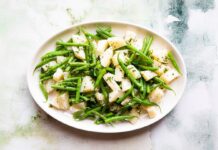
Asparagus provides dietary fiber, folic acid, vitamin C, and potassium, all contributing to healthy blood pressure levels. Folic acid helps reduce homocysteine, a substance that damages artery linings, while vitamin C and potassium further support blood pressure regulation.
Practical Tip: Roast asparagus with olive oil and salt as a side dish, or blend it into creamy soups.
Pears: Fiber for Blood Sugar Control
Pears are a good source of dietary fiber, helping regulate blood sugar and reduce heart disease risk. Uncontrolled blood sugar can contribute to high blood pressure, so maintaining stable levels is crucial. A 2019 study showed that eating two pears daily lowered systolic blood pressure in at-risk adults.
Practical Tip: Enjoy pears whole, sliced in salads, or paired with low-fat cheese.
Sweet Potatoes: Potassium and Antioxidant Boost
Sweet potatoes are rich in potassium, magnesium, and calcium, essential for blood pressure control. Purple sweet potatoes, in particular, contain anthocyanins that further lower blood pressure. A 2016 study showed that drinking a purple sweet potato beverage daily significantly reduced systolic blood pressure in participants with hypertension.
Practical Tip: Roast sweet potatoes with cinnamon or add them to grain bowls with greens.
Kale: Nutrient Density for Blood Pressure Support
Kale provides fiber, vitamins A and C, potassium, calcium, and magnesium—all critical for healthy blood pressure. A 2015 study found that supplementing with 300 milliliters (1.25 cups) of kale juice daily lowered both systolic and diastolic blood pressure.
Practical Tip: Enjoy kale chips, salads, or sautéed kale seasoned with balsamic vinegar and parmesan cheese.
Salmon: Omega-3s for Heart Health
Salmon is rich in omega-3 fatty acids, which protect the heart and brain. The American Heart Association recommends two 3-ounce servings of fatty fish weekly. A 2015 study found that consuming 5–6 servings of fatty fish weekly significantly lowered systolic blood pressure in Ecuadorian adults.
Practical Tip: Bake or roast salmon with olive oil, lemon, and fresh herbs.
Dietary Approaches for Blood Pressure Management
The Dietary Approaches to Stop Hypertension (DASH) and Mediterranean diets are highly effective. Both emphasize whole, unprocessed foods, low sodium intake, and healthy fats. These diets prioritize fruits, vegetables, whole grains, legumes, and lean proteins, providing essential nutrients without the harmful effects of saturated fats and sugars.
Monitoring Your Blood Pressure
Blood pressure is measured in two key metrics: systolic (pressure when the heart beats) and diastolic (pressure between beats). A healthy reading is less than 120/80 mmHg. Hypertension is defined as 140/90 mmHg or higher.
Conclusion:
Integrating these ten foods into your diet, alongside a healthy lifestyle, is a proven strategy for managing blood pressure naturally. Prioritizing whole, unprocessed foods, regular physical activity, and stress management will significantly contribute to long-term cardiovascular health. Consistent dietary changes, combined with regular blood pressure monitoring, are essential for maintaining optimal health.