



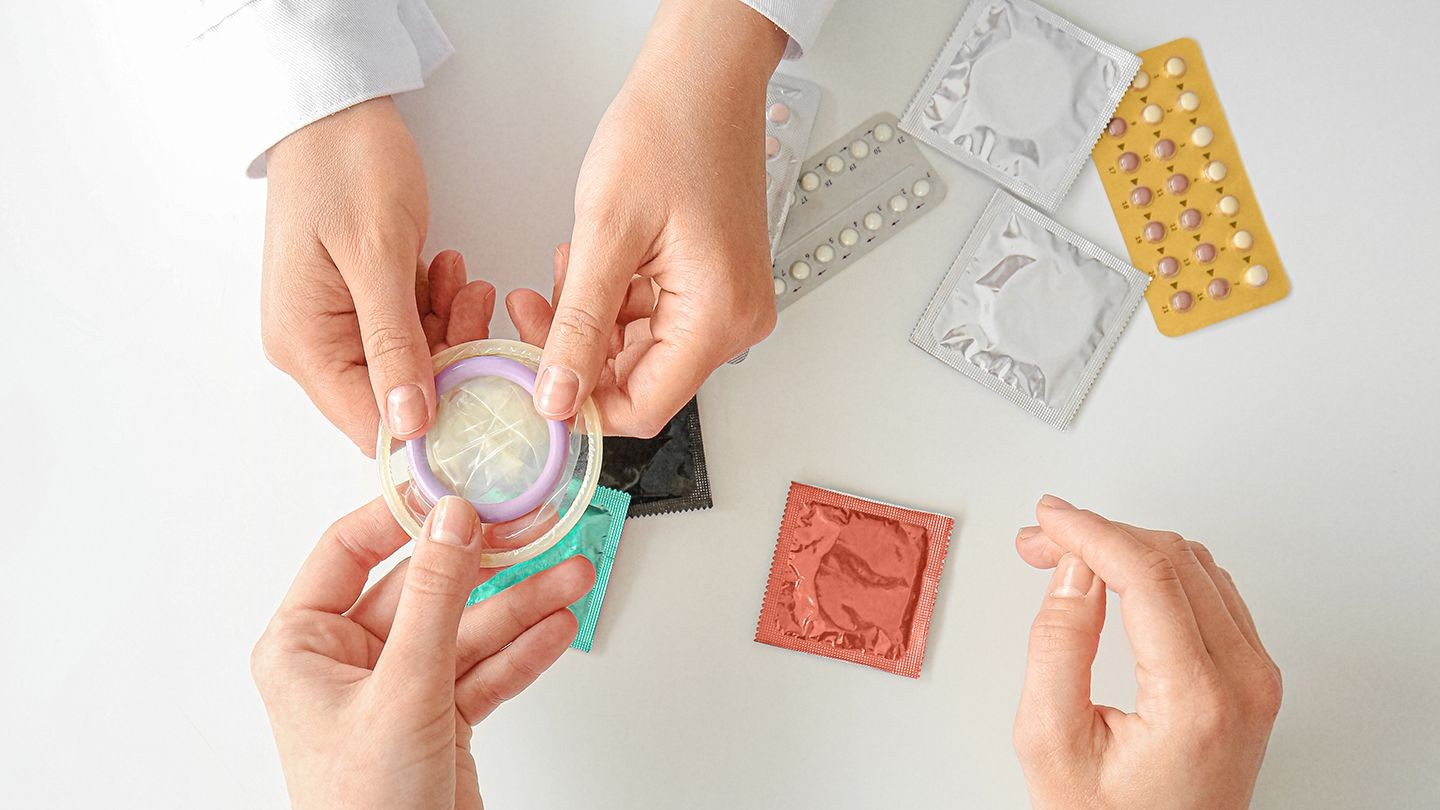
Choosing the right form of contraception is one of the most significant decisions regarding reproductive health. For individuals with a uterus who engage in sexual activity with partners assigned male at birth, pregnancy is a biological possibility unless prevented. While abstinence remains the only method with 100% efficacy, a wide array of contraceptive options exists to help individuals manage their reproductive lives with confidence and autonomy.
Understanding these options is not just about preventing pregnancy; it is about finding a method that aligns with your lifestyle, health history, and personal preferences. As medical professionals note, many people remain unaware of the full spectrum of choices available, from daily pills to long-term implants. This guide breaks down the primary categories of birth control, their effectiveness, costs, and suitability to help you make an informed decision.
Hormonal Methods: Regulating the Cycle
Hormonal contraceptives work by altering the body’s natural reproductive processes. They generally function through three mechanisms: preventing ovulation (the release of an egg), thickening cervical mucus to block sperm, or thinning the uterine lining to prevent implantation. These methods range from daily maintenance to long-term solutions.
Birth Control Pills
The most common hormonal method, birth control pills come in two varieties:
* Combination Pills: Contain both estrogen and progestin.
* Progestin-Only Pills (Mini-Pill): Contain only progestin.
How they work: They primarily stop ovulation and thicken cervical mucus. Some prescriptions are also used to regulate or stop menstruation.
Usage: Daily intake is crucial. Progestin-only pills require a stricter window, typically within three hours of the same time each day, to maintain efficacy.
Effectiveness: >99% with perfect use; 91% with typical use.
Cost: $0–$50/month. Often covered fully by insurance, Medicaid, or government programs.
The Shot (Depo-Provera)
An injection of medroxyprogesterone (a high-dose progestin) that prevents ovulation and thickens cervical mucus.
Usage: Administered by a healthcare provider every three months. In some cases, patients may self-inject.
Effectiveness: >99% with perfect use; 96% with typical use.
Cost: $0–$150 per injection. Often covered by insurance and public health programs.
The Implant (Nexplanon)
A small, matchstick-sized rod inserted into the upper arm by a trained professional. It releases progestin to prevent pregnancy for up to five years.
How it works: Stops ovulation, thins the uterine lining, and thickens cervical mucus.
Usage: Requires a minor procedure for insertion and removal. Can be removed at any time to restore fertility.
Effectiveness: >99% (one of the most effective methods available).
Cost: $0–$2,300 for insertion. Typically free with most insurance plans, Medicaid, and government programs.
The Vaginal Ring (NuvaRing or Annovera)
A flexible ring inserted into the vagina that releases estrogen and progestin.
Types:
* NuvaRing: Changed monthly (worn for three weeks, removed for one).
* Annovera: A reusable ring used for one year (inserted for three weeks, removed for one).
Effectiveness: >99% with perfect use; 93% with typical use.
Cost: $0–$200/month. Often covered by insurance.
The Patch (Xulane or Twirla)
A adhesive patch worn on the stomach, buttocks, or back that releases estrogen and progestin through the skin.
Usage: Changed once a week for three weeks, followed by a patch-free week for menstruation. Can be used continuously to skip periods.
Effectiveness: >99% with perfect use; 94% with typical use.
Cost: $0–$150/month. Often covered by insurance.
Important Health Considerations: Hormonal methods containing estrogen are not suitable for everyone. Individuals with a history of blood clots, stroke, deep vein thrombosis, migraines with aura, or certain cardiac conditions should avoid estrogen-based contraceptives. Progestin-only options are generally safer for these groups. Additionally, smoking, obesity, and a history of breast cancer may influence which method is recommended. Always consult a healthcare provider to assess individual risks.
Long-Acting Reversible Contraception (LARC): IUDs
Intrauterine Devices (IUDs) are T-shaped devices inserted into the uterus by a healthcare professional. They are among the most effective forms of birth control, lasting up to 10 years depending on the type, and can be removed at any time to restore fertility.
Copper IUD (Paragard)
The only nonhormonal IUD available. It uses copper to create an environment hostile to sperm and eggs.
Effectiveness: >99% for both perfect and typical use.
Cost: Up to $1,800, but often free or low-cost with insurance and government programs.
Hormonal IUDs (Mirena, Kyleena, Liletta, Skyla)
These release a low dose of progestin locally within the uterus, thickening cervical mucus and thinning the uterine lining.
Effectiveness: >99% for both perfect and typical use.
Cost: Up to $1,800, but often free or low-cost with insurance and government programs.
Barrier Methods: Physical Protection
Barrier methods physically block sperm from reaching the egg. While generally less effective than hormonal or IUD methods, they offer the unique benefit of protecting against sexually transmitted infections (STIs).
Male Condoms
Worn over the penis during sex, latex, polyurethane, polyisoprene, or nitrile condoms prevent pregnancy and reduce STI transmission. Animal membrane condoms prevent pregnancy but do not block STIs.
Effectiveness: 98% with perfect use; 87% with typical use.
Cost: ~$6 for a box of three. Free or low-cost options available at health clinics.
Internal Condoms
Previously known as “female” condoms, these are soft pouches inserted into the vagina or anus. They protect against both pregnancy and STIs.
Effectiveness: 95% with perfect use; 79% with typical use.
Cost: $2–$3 each. Often covered by insurance with a prescription.
Diaphragm and Cervical Cap
These silicone cups cover the cervix to block sperm. They are most effective when used with spermicide. A healthcare provider must fit the device to ensure proper size and placement.
Diaphragm Effectiveness: 94% with perfect use; 87% with typical use.
Cervical Cap Effectiveness: Similar to diaphragms, requires fitting and spermicide.
Cost: Diaphragm up to $75; Spermicide $8–$15. Often covered by insurance.
The Sponge
A soft, disposable sponge containing spermicide, inserted deep into the vagina before sex.
Effectiveness:
* Never given birth: 88% (perfect use), 73–86% (typical use).
* Has given birth: 80% (perfect use), 73–86% (typical use).
Cost: Up to $15 for a pack of three.
Permanent Contraception
For individuals certain they do not want future pregnancies, surgical options provide permanent solutions.
- Vasectomy: A minor procedure for men that blocks the vas deferens, preventing sperm from entering semen. It is highly effective, less invasive than female sterilization, and does not affect sexual performance.
- Tubal Ligation: A surgical procedure for women that blocks or seals the fallopian tubes.
Making the Right Choice
The “best” birth control method is highly individual. Factors such as effectiveness, cost, ease of use, side effects, and health conditions all play a role.
- Effectiveness Note: “Perfect use” refers to consistent and correct usage every time, while “typical use” accounts for human error and inconsistency. Methods like IUDs and implants have high typical-use effectiveness because they require little daily maintenance.
- STI Protection: Only barrier methods (condoms) protect against sexually transmitted infections. Dual protection (using a condom alongside another method) is often recommended for those at risk of STIs.
Conclusion
Navigating the landscape of birth control requires balancing efficacy, convenience, and health considerations. From the high reliability of IUDs and implants to the flexibility of pills and patches, there is a solution for nearly every lifestyle. By understanding the facts behind each option and consulting with a healthcare provider, individuals can take control of their reproductive health with clarity and confidence.