


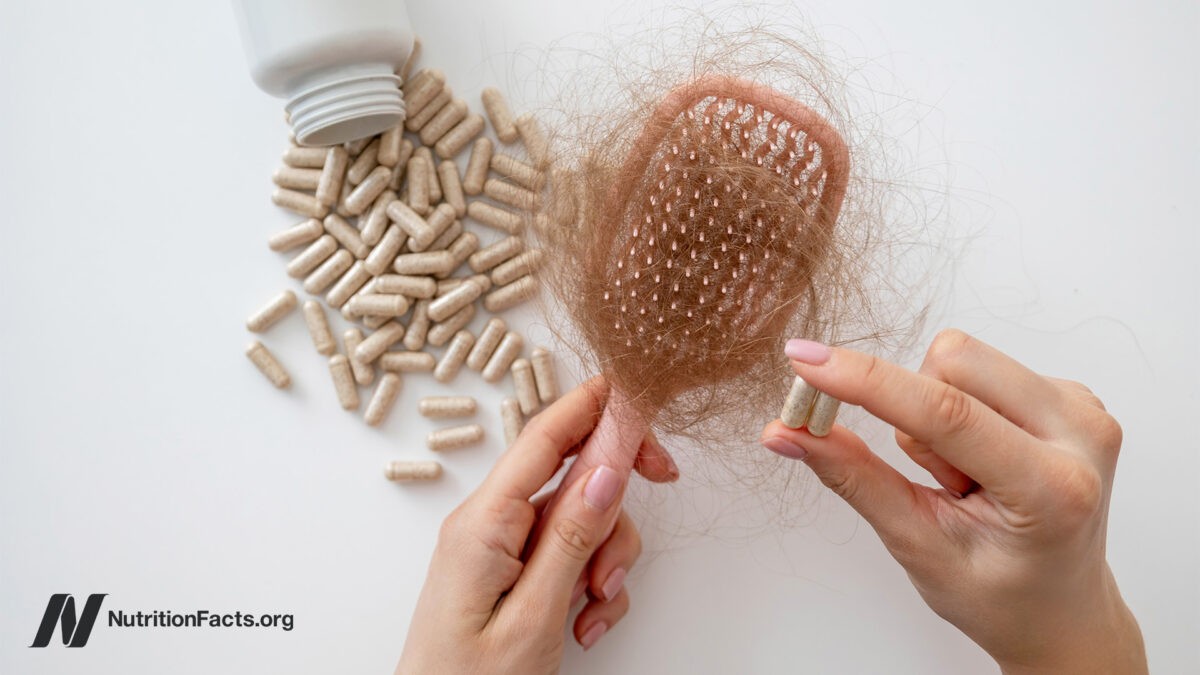
Hair loss is a rite of passage. By age 50, half of men and women will notice their hair thinning. We’ve been told it’s the shampoo. We’ve been told it’s too much brushing. Neither is true.
The reality is colder. Most hair loss is genetic. Researchers studying twins found that genetics account for about 79% of the differences in baldness among men. It’s hard-wired.
But genetics aren’t a life sentence. Why?
Because identical twins with the same DNA often show different levels of hair loss. One might retain a thick mane while the other goes bald. Why? Environment. Lifestyle. Stress.
Consider two identical twin brothers. They share the same genes. But one reports high stress in his life. He loses more hair. Another pair shows the twin who smokes and drinks alcohol has thinner hair. It’s not magic. It’s biology reacting to toxins.
Smoking, Mercury, and Hair Follicle Damage
Cigarettes are bad for your heart, and they’re bad for your head.
The genotoxic compounds in smoke damage the DNA in hair follicles. They cause microvascular poisoning at the base of the follicle. The result? Male and female pattern baldness accelerates.
Mercury is another culprit. It concentrates in growing scalp hair about 250-fold. That’s a 250 times increase.
There’s a theory that William Shakespeare started losing his hair due to mercury poisoning from the syphilis treatments of his era. Doctors don’t give mercury anymore, thankfully. But mercury still enters our bodies. The U.S. Centers for Disease Control notes that seafood consumption is the main source today.
The Mercury Connection: A Case Study
Women of reproductive age, and those hitting menopause, often seek help for hormone-related hair loss. But sometimes the cause isn’t hormonal. Sometimes it’s dietary.
Take a 43-year-old patient seen for hair loss and early menopause symptoms. Her blood tests showed elevated mercury levels. Why? She ate a lot of tuna. High-mercury fish.
She stopped eating fish.
Within two months, her hair growth slowed its retreat. After seven months of a fish-free diet, her hair had regrown completely.
Her mercury levels dropped. Her hair came back.
This suggests doctors should screen for mercury toxicity when treating hair loss. It’s treatable. Advising patients to cut high-mercury fish can reveal hidden dietary causes of heavy metal–induced hairloss.
Do Supplements Actually Work?
Here is the hard truth about nutrient deficiencies.
After bariatric surgery, hair loss is common. But that’s because the surgery rearranges your anatomy to cause malabsorption. It’s a side effect of the procedure, not a lack of will.
In the general population? There is little evidence that vitamins and minerals help unless you are actually deficient.
Take Vitamin C. Scurvy (severe deficiency) causes hair loss. We know this from centuries of data. But once you have enough Vitamin C to stop bleeding gums, extra doesn’t help. The correlation stops at sufficiency.
What about Zinc?
It’s a myth that zinc supplements boost hair growth unless you’re zinc-deficient. Zinc deficiency can happen in people who abuse alcohol, but if your blood levels are normal, taking more zinc does nothing. It just adds stress to your system. Iron is the same.
The Biotin Trap
Vitamin B7, or biotin, is the star ingredient in almost every top-selling hair loss product.
The logic seems sound: Biotin deficiency causes hair loss. Therefore, biotin supplements should prevent it.
But there’s a problem. There is no evidence-based data showing biotin supplements promote hair growth in healthy people.
Severe biotin deficiency is rare. You’d have to eat only raw egg whites, which contain compounds that bind to biotin and block absorption. Unless you’re eating nothing but raw eggs, you aren’t biotin deficient.
So why do people take it?
Misinformation.
Why “Might Help” Is Dangerous Advice
People argue, “Can’t hurt, might help.”
They are wrong.
The supplement industry is poorly regulated. That’s an understatement. There is no safety net.
Biotin interferes with lab tests.
High doses—up to 650 times the daily recommended intake—can skew results. It messes with thyroid function tests. It confuses hormone tests. It even interferes with pregnancy tests. And heart attack markers.
Wrong test results can mean misdiagnosis. Misdiagnosis can mean death.
We’ve seen outbreaks where supplements caused toxicity because manufacturers put 200 times the labeled dose inside. Hundreds got selenium toxicity. The symptom? Hair loss.
Too much Vitamin A causes similar issues.
The Bottom Line
Hair loss is complex. It’s genetic, yes. But it’s also environmental. Smoking, stress, and mercury toxicity play huge roles.
Supplements rarely fix the root cause. In fact, they might create new problems.
If you’re losing hair, don’t just pop a pill. Look at your lifestyle. Look at what you’re eating. Ask for blood work. Screen for heavy metals.
The answer might not be in a bottle.
It might be on your plate.
Or in your lungs.


