


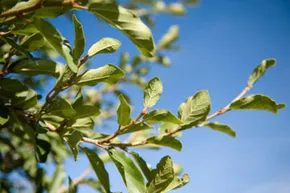
It’s everywhere. You can find it in your shampoo. Your deodorant. Maybe even lotion. Tea tree oil has become a modern wellness staple, touted as a miracle cure for acne, psoriasis and eczema. People use it for everything from bad breath to staph infections. Genital herpes is also included in its purported scope of influence.
But this golden liquid from the Australian bush has a complicated past. And a dangerous side.
The practice of using oil comes directly from Indigenous Australians. For thousands of years, Aboriginal people have used it as an antiseptic for wounds and burns. They didn’t have antibiotics. They had the Melaleuca alternifolia tree. Captain James Cook later called it the “tea tree” because the locals boiled its leaves to make a drink. It has nothing to do with Camellia sinensis, the plant behind black and green tea. Don’t confuse the two.
In the early 20th century, Australian doctors prescribed it as their go-to antiseptic. Then came penicillin. Antibiotics have changed everything. Tea tree oil faded into obscurity. It only came back into the limelight when doctors noticed bacteria fighting back. Resistance to conventional antibiotics is real. Tea tree oil returned to the clinic floor.
But despite the popularity, the science is uncertain. Most human studies are inconclusive. We know it has antimicrobial properties. We know it’s a disinfectant. But how effective exactly is it for certain conditions? It remains unclear.
What Claims Does Tea Tree Oil Make?
Proponents say it kills microorganisms. It fights fungi. It reduces inflammation.
Some experts point to its anti-inflammatory effects. They believe it helps with acne and histamine-related reactions from allergies. Research suggests that it may target a species of fungus. This can help with athlete’s foot. Or fungal nail infections. Thrush is another candidate. It also kills yeast. So it could potentially be used to treat vaginal yeast infections. Or other yeast related problems.
The list of claims grows longer.
Lice. Dandruff. dental plaque. Bad breath. Staph infections. Even the virus behind genital herpes.
That sounds impressive. But impressive does not mean proven.
Side effects you should know
Improper use of tea tree oil can lead to hospitalization.
It is not just a gentle herbal remedy. Reactions can be serious. You might think it can treat allergies. It can also cause them. Contact dermatitis is common. The oil is strong. It demands respect.
Keep it out of the reach of children. Ingestion is dangerous. Topical use must be done with care. Dilution is key. Pure oil can burn.
Aromatherapy and anecdotal evidence
Tea tree oil is one of hundreds of essential oils used in aromatherapy. Practitioners claim that aromas treat depression. High blood pressure. Anxiety.
Most of these claims have not been proven by medical science. The practice dates back to the early 20th century. People still believe in the power of scent. But belief is not data.
We need more rigorous studies. We need definitive conclusions. So far, we have anecdotal evidence and promising preliminary data.
If you decide to try it, be careful. Know the risks. Respect potency.
Regulatory gap and safety risks
Tea tree oil is in the regulatory gray area. Because it is classified as an herb, it escapes the strict scrutiny of the US Food and Drug Administration. This distinction is important. This does not mean that the product is harmless. Medicinal use involves real risks, ranging from mild irritation to severe systemic reactions. Allergic reactions are possible. Increased caution must also be observed during pregnancy and breastfeeding.
Ingestion is dangerous. Oral ingestion, even in small amounts, can cause serious side effects. Symptoms include rash, abdominal pain and diarrhea. Neurological effects have also been reported: drowsiness, confusion and, in extreme cases, coma. Nausea and burning are common complaints among users of the oil.
Topical use is not harmless. Direct skin contact can cause rashes, blisters and itching. Animal studies suggest that high concentrations applied to the skin can cause difficulty walking, weakness, muscle tremors, slowed brain function, and poor coordination.
Hormonal concerns and historical context
Official control was strict. In 2007, European health authorities almost banned the oil for safety reasons. The main concern was the disruption of hormonal functions. There have been documented cases of pre-pubescent boys developing gynecomastia – the abnormal growth of breast tissue – after using products containing the oil. The condition disappeared as soon as the exposure was stopped.
Despite these warnings, most commercial products contain less than 1 percent tea tree oil. At these concentrations, they are generally considered safe for topical use.
Acne resistance and future treatments
Acne medicine is changing. The bacteria responsible for outbreaks, P. acnes, develops resistance to standard antibiotic treatments. Dermatologists prescribe fewer antibiotics than before. This creates a vacuum for alternative treatments. Tea tree oil may prove to be a viable, resistance-proof option in the future.
Application instructions
There is no proven effective single dose for tea tree oil. However, most clinical trials use products with a concentration of 5-10 percent. If you follow the directions on the commercial products, you’re probably safe. Beware of side effects. If they occur, stop using and consult a doctor.
Storage is important. Store the oil in a dark glass bottle. Light breaks down the active ingredients, making them less effective.
Application should be precise. Use a cotton swab to apply a few drops directly to the affected area. Don’t use too much. Excess oil can dry out the skin. Avoid combining tea tree oil with strong acne treatments such as benzoyl peroxide. The combination can cause redness and irritation and can worsen the condition you’re trying to treat.
Historical roots
The plant has a long history in Australia, where indigenous peoples have used it for thousands of years. Worldwide recognition came later. In 1929, Dr. Arthur Penfold and F.R. Morrison published Australian Tea Trees of Economic Value. This publication sparked a wave of scientific interest and led to numerous studies on the plant’s potential benefits and mechanisms.
Where can I find more information about skin health?
If you want to learn more about the science behind skin care, acne treatments, and beauty products, HowStuffWorks has some related articles that can fill in the gaps. You may also want to find out if topical creams can actually mimic a facelift or if stress actually contributes to wrinkles. There is also a discussion about whether your makeup habits are causing allergic reactions. This is a common but often overlooked problem.
For those who want to better understand their skin tone, here’s a guide to determining skin tone and techniques to even out discoloration. The platform also covers how Botox works, how to make effective homemade face masks and the reality behind the marketing of mineral cosmetics as an alternative to natural ingredients. In addition, the article investigated whether dietary vitamins can actually prevent sun damage.
The evidence behind tea tree oil
The research on tea tree oil comes from many well-known oncological perspectives from the American Cancer Society and Memorial Sloan Kettering Cancer Center. For general health contexts, articles on Healthline and MSNBC highlight its role in treating conditions such as resistant acne.
WebMD and Medicine Net provide an overview of topical tea tree oils, while the National Institutes of Health’s Medline Plus aggregates patient information. Historical concerns, such as a 2007 report by the Guardian about a possible ban on health grounds, have made the debate more nuanced. WebMD also contextualizes tea tree oil into broader aromatherapy and essential oil practices.


