


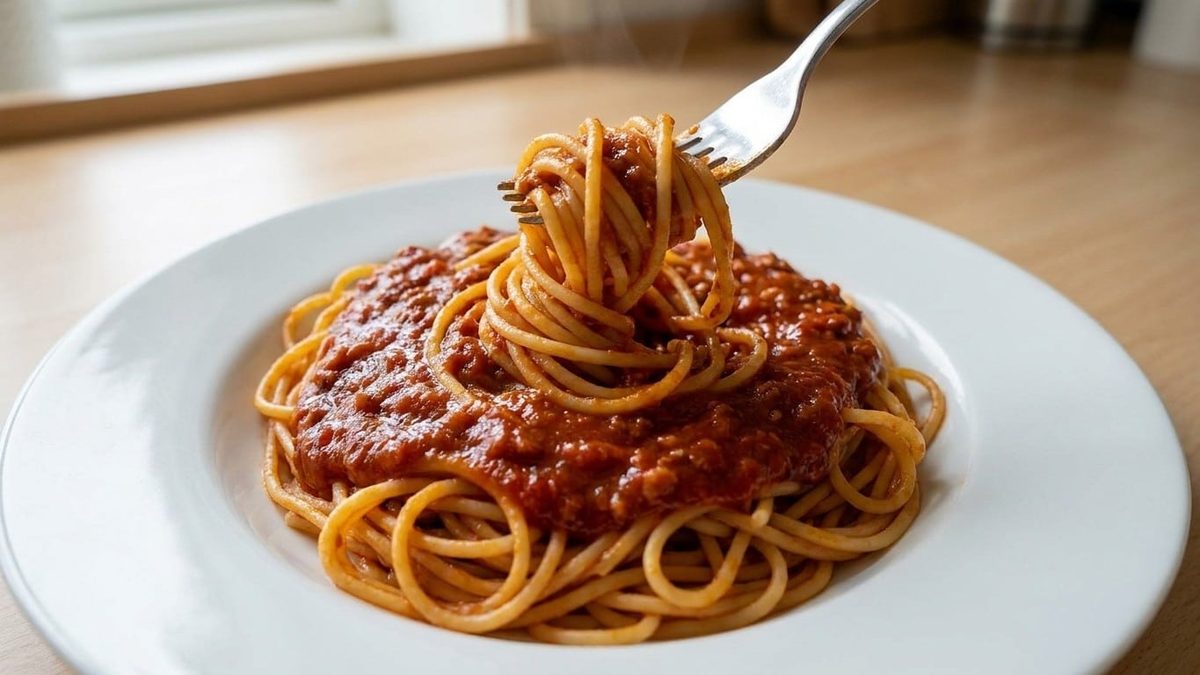
The plate was scraped clean. Not a dollop of red sauce remained at the bottom. And then came the request: “Can we have this again next week?” There was no suspicion in their eyes. No picking out green bits. Just pure, unadulterated approval.
This didn’t happen by accident. It happened because I shredded a whole zucchini into the Bolognese.
It sounds like a trick. Maybe even a little dishonest. But if you’ve ever battled a toddler who treats broccoli like a personal enemy, you know that sometimes you just need a win. This strategy worked perfectly tonight. It’s time to break down exactly how to hide zucchini in Bolognese sauce without the kids noticing—and why you might want to tell them the truth afterward.
Why Bolognese is the Ultimate Camouflage Vehicle
Spaghetti Bolognese is a staple for a reason. It’s familiar. It’s safe. For a child’s palate, the combination of tomato sauce, ground meat, and pasta is a non-negotiable comfort zone.
That familiarity is your greatest asset.
When a child knows they are eating Bolognese, their guard is down. They aren’t analyzing each bite. They aren’t looking for textures that don’t belong. They are eating with trust.
Zucchini fits into this environment with unsettling ease. When you grate a zucchini and simmer it in tomato sauce, it doesn’t just disappear visually; it changes state. The long, gentle cooking process breaks down the vegetable’s structure. It turns creamy. It adopts the amber hue of the tomatoes.
“The vegetables become so tender they are barely perceptible,” a nutritionist chef notes.
You aren’t just hiding the vegetable. You are enhancing the dish. The shredded zucchini adds density and creaminess to the sauce. It makes the texture richer. The child thinks the sauce is better. They don’t realize they are eating a whole zucchini hidden in four portions of pasta.
The Science of the Shredded Zucchini
Why zucchini? Why not carrots or celery?
Zucchini has a neutral flavor profile when cooked. It lacks the strong, earthy notes of beets or the sulfurous bite of onions. It brings water, bulk, and moisture without imposing its own identity.
Nutritionally, it’s a powerhouse. One whole zucchini packed into a family meal delivers significant provitamin A, fiber, and antioxidants. These compounds help regulate digestion and support heart health by managing cholesterol levels. It’s not a garnish. It’s a nutritional injection.
But the real magic is in the texture. Children have more sensitive taste buds than adults. Raw or poorly cooked zucchini can feel spongy and bland to them. That texture triggers a rejection response.
By using a coarse grater and cooking it early in the fat (before adding the meat or tomato), you essentially pre-digest the vegetable. The strands break down rapidly. By the time the sauce is ready, there are no distinct pieces of zucchini left to trigger a visual or textural alarm.
The brain sees a familiar red sauce. The mouth feels a familiar smoothness. The fork moves forward.
The Trap of Hidden Vegetables
The plate is empty. The praise is flowing. You feel like a culinary genius.
But food experts warn against making this your default move.
Camouflage works in the short term. It gets nutrients into a reluctant eater. But if you never tell the child what is in the food, you rob them of the chance to learn what they actually like.
If a child never knows that the creamy sauce contains zucchini, they never learn to recognize or appreciate zucchini on its own. They might love the pasta forever while remaining terrified of any green vegetable served with a side.
The goal isn’t just to feed them. It’s to expand their palate.
How to Reveal the Trick (Without Ruining It)
The best time to drop the bomb? After the meal.
Once the child has eaten the food and enjoyed it, you can reveal the secret. Don’t do it with a smug “I got you!” tone. That creates resistance. Instead, use it as a teaching moment.
Say something like: “Did you notice how creamy that sauce was? I grated a zucchini into it. Did you like the taste?”
This shifts the narrative. It’s no longer about deception. It’s about exploration. You are showing them that a vegetable can taste different when cooked, mixed, or shredded.
If they say yes—if they liked the flavor without knowing—it’s a huge victory. It proves they can accept the vegetable. It builds a bridge.
The next time you serve it, you might serve the zucchini visible. Or you might keep it hidden again. The choice is yours. But now, you have data. You know they can handle it.
There is no perfect balance in parenting. Sometimes you lie. Sometimes you tell the truth. But if your kid eats their greens, you take the win. And maybe, just maybe, you let them in on the secret next time.
Zucchini is just the starting point. Once you get comfortable with the technique, the vegetable basket opens up. Eggplant, bell peppers, and mushrooms blend effortlessly into a bolognese sauce. They add bulk. They add fiber. They help parents navigate the tricky terrain of getting children to eat their greens without a battle.
Carrots are a particularly smart addition. Grated finely, they melt into the sauce. Their natural sweetness counteracts the acidity of the tomatoes. Some parents sneak three different vegetables into a single pot. The dish tastes consistent. The nutrition profile spikes. The kids eat it without complaint.
This strategy matters more than you might think. In 2015, only 25% of children aged 6 to 10 were meeting fruit and vegetable recommendations. That gap is significant. Santé Publique France advises making fruits and vegetables a daily staple. This applies to fresh, frozen, or canned options. Raw or cooked. Plain or prepared. The bolognese trick isn’t a silver bullet for national dietary trends. But it is a functional tool.
Think of it in small increments. Two times a week, you grate a zucchini into the pasta sauce. That is two extra vegetable servings per child. Often, the request isn’t for seconds. It is for the third bowl. The vegetable becomes part of the meal routine rather than a hurdle.
The long-term goal isn’t permanent camouflage. The goal is exposure. This is where the real leverage lies. Start by hiding the vegetable. Then, slowly, reveal it. Let the child get used to the taste. Over time, the previously rejected food enters their accepted list.
Try offering raw zucchini sticks the day after the pasta dinner. Remind them that the crunchy snack tastes like the sauce from the night before. Familiarity breeds acceptance. The bolognese stops being a hiding spot. It becomes an introduction.
Sources: les1001gourmandisesdegaelle.over-blog.fr | santepubliquefrance.fr


