


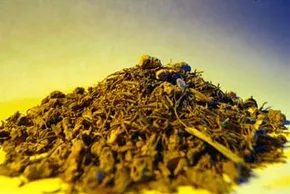
Daily bowel habits are a routine part of life, but there is a line between healthy and problematic. If your stools are watery, unformed, or if you are visiting the bathroom more than three times a day, your digestive system is signaling trouble. While pharmaceutical options exist, many people turn to herbal remedies for diarrhea to calm the gut naturally. These botanicals do more than just stop the flow; they address the underlying irritation in the digestive tract.
Why Diarrhea Happens
Most of the time, diarrhea is the body’s way of ejecting something harmful. Mild food-borne illnesses, often called food poisoning, are the usual suspects. Viruses also play a significant role here. But it isn’t always about contamination. Sometimes, it is about volume or compatibility.
Eating too much fresh fruit can trigger symptoms. So can foods you are allergic to or intolerant of, with dairy products being a common offender. Underlying conditions like colitis or irritable bowel syndrome (IBS) also contribute to the issue.
When diarrhea strikes, the colon moves too fast. Food residue zips through without giving the body time to absorb water and nutrients. In some cases, the colon actually pulls extra water from the body to flush out waste quickly. The result is dehydration and a loss of essential minerals.
Herbal Options for Relief
Several herbs have been used traditionally to manage these symptoms. They work by targeting bacteria, reducing secretion, or tightening tissues.
Oregon Grape and Goldenseal
The roots of these plants contain berberine. This compound is an antimicrobial that may fight harmful bacteria causing food-borne illness. It also includes other alkaloids that appear to decrease secretion in the colon, which helps reduce diarrhea. These herbs have an immune-stimulating effect, which can be helpful for viral diarrhea. They are sometimes used for serious cases, but only under the supervision of a knowledgeable healthcare provider. You can take them as a tea or a tincture.
Blackberry Roots
These are another effective option. They share similar properties with goldenseal in helping to settle the stomach.
Bilberry
Bilberry offers mild antimicrobial properties. It is also an astringent, meaning it helps tone the muscles of the colon. You can eat the berries, consume syrup made from them, or drink an infusion made from the leaves.
There is a catch with fresh bilberries. Fresh bilberries or their close relative, blueberries, might actually make diarrhea worse. Dried berries, however, are an excellent remedy.
Important Considerations
This is just the beginning. Many other herbal remedies exist for managing digestive upset. If you are looking for more options, continue to the next section to explore additional treatments.
For those interested in broader self-care strategies:
– Visit the main Herbal Remedies page to see a full list of options.
– Check the Home Remedies page for general advice on treating common conditions.
– Read Home Remedies for Diarrhea for specific non-herbal tips.
– Learn more about Goldenseal and its specific uses.
Disclaimer: This content is for informational purposes only. It is not medical advice. The editors, authors, and publishers are not responsible for any consequences resulting from the use of this information. This does not replace the advice of a physician. Always consult your healthcare provider before starting any new treatment, including herbal supplements, as they can interact with prescription medications. Many natural remedies have not been fully evaluated in scientific studies. Safety and effectiveness data can be limited. If you see a practitioner, ensure they are licensed by a recognized national organization. Your health is your responsibility; seek professional guidance before acting.

Herbal Strategies for Soothing an Irritated Gut
The digestive system has a way of announcing when it’s unhappy. Diarrhea is often just the body’s aggressive attempt to flush out an invader. While you can’t always stop the symptom entirely, you can support your body with specific plants that help slow the process down and calm the irritation.
Several common herbs offer astringent properties. Geranium and red raspberry leaves are notable here. These compounds help the colon contract, which naturally slows the passage of waste. This gives your body more time to reabsorb water from the stool. They also have a knack for binding to toxins, potentially reducing their impact on the gut lining.
If inflammation is the culprit, mullein may help reduce swelling in the digestive tract. Other gentle soothers include chamomile, fennel, and peppermint tea. These can calm the irritated lining of the colon.
Nettle is another option, but it requires caution. While it soothes an inflamed colon, it also has mild laxative effects. Use it with discretion to avoid worsening the issue.
Then there is psyllium. We usually think of this for constipation, but in specific doses, it helps diarrhea too. The seeds and husks add bulk, slowing down liquid movement through the large intestine. The key is timing and quantity. Use a teaspoon or less at frequent intervals. Crucially, do not take psyllium with prunes, figs, or dates, as those can counteract the binding effect.
Replenishing Lost Electrolytes
Once the worst of the diarrhea subsides and you can tolerate solids, focus shifts to replacement. You have lost significant amounts of potassium and sodium. These electrolytes are essential for cellular function and hydration.
Garden produce is a powerhouse for potassium. Asparagus, beet greens, berries, citrus fruits, cruciferous vegetables like broccoli, melons, plums, potatoes, salad greens, sweet potatoes, and squash are all rich sources. Don’t peel the potatoes. The skins are especially beneficial.
Boosting Immunity During Infection
When diarrhea is caused by infectious microbes, the body needs support beyond just stopping the flow. Echinacea and other immune-stimulating herbs can be critical during these bouts. They help the body fight off the underlying cause, not just mask the symptom.
A Practical Herbal Remedy
For those looking to brew their own support, this combination targets both astringency and soothing:
- 2 teaspoons Oregon grape root
- 1 teaspoon dried leaves of bilberry, scented geranium, or red raspberry
- 1-2 cloves garlic
- 1/2 teaspoon chamomile
- 2 cups water
Simmer the Oregon grape root for 10 minutes. Remove from heat. Add the remaining herbs. Steep for 15 minutes. Drink warm. Avoid cold liquids during the bout, as they can further irritate the gut.
When to Seek Professional Care
Diarrhea is a symptom. Let it run its course while keeping fluids up. Broth and potassium-rich vegetables are your friends. But there are limits.
Children and babies require close monitoring. Seek medical attention if diarrhea is severe, persists longer than one day, or worsens after 24 hours. Adults should follow the same protocol.
If your stool is bloody, get medical attention immediately. This is not a symptom to manage with herbs alone.
About the Experts
This guidance reflects the combined knowledge of practitioners with deep roots in both conventional and alternative medicine. Gayle Povis Alleman, M.S., R.D., holds degrees in alternative and conventional nutrition. She manages nutrition education programs and teaches community nutrition, specializing in holistic approaches to health.
The medical review was provided by Silena Heron, a naturopathic physician and founding chair of botanical medicine at Bastyr University. With decades of teaching experience across the West and Canada, she was a specialist in botanical medicine. Eric Yarnell, N.D., R.H. (A.H.G.), also contributed to the review. He is a naturopathic physician specializing in men’s health and urology, an assistant professor at Bastyr University, and president of the Botanical Medicine Academy. He is the author of several textbooks, including Naturopathic Gastroenterology.
Disclaimer: This information is for educational purposes only and is not intended as medical advice. Natural remedies can interact with prescription medications and may not be suitable for everyone. Always consult your physician before starting any new treatment, especially if you have underlying health conditions or are taking other medications.


