




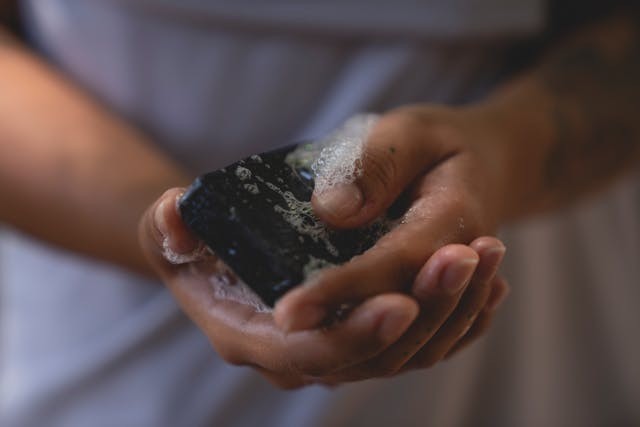
In an era dominated by synthetic fragrances, complex chemical labels, and rapidly shifting wellness trends, one of the world’s oldest skincare staples is reclaiming its place in the modern bathroom. Aleppo soap —a product with a lineage stretching back two millennia—is more than just a relic of antiquity; it is a masterclass in minimalist, effective, and sustainable chemistry.
Its historical significance was recently cemented in December 2024, when UNESCO formally inscribed its craftsmanship on the Representative List of Intangible Cultural Heritage of Humanity. This recognition highlights a tradition that has survived empires, trade routes, and even modern conflict.
A Masterpiece of Minimalist Chemistry
While modern body washes often contain long lists of sulfates, preservatives, and undisclosed “parfums,” authentic Aleppo soap relies on just three fundamental ingredients: extra virgin olive oil, laurel berry oil, and water.
The magic lies in the relationship between these ingredients and the skin:
- Olive Oil (Sodium Olivate): This serves as the nourishing base. Because its fatty acids are structurally similar to human skin lipids, it integrates seamlessly with the skin’s natural barrier. Unlike industrial soaps that strip away glycerin to sell it separately, the traditional Aleppo process retains this natural byproduct, providing built-in hydration.
- Laurel Berry Oil (Sodium Laurus Nobilate): This is the “active” ingredient. It isn’t an additive but a natural powerhouse containing lauric acid (antibacterial), linalool (anti-inflammatory), and eucalyptol (antimicrobial). These compounds work naturally to combat acne-causing bacteria and fungal issues like dandruff.
Understanding the Laurel Scale: Choosing Your Bar
One of the most unique aspects of Aleppo soap is its versatility. The “strength” of the soap is determined by the concentration of laurel berry oil, allowing users to tailor the product to their specific skin needs:
| Laurel % | Primary Use Case | Best For… |
|---|---|---|
| Low (5%) | Gentle Cleansing | Sensitive skin, babies, and rosacea-prone faces. |
| Medium (16%) | The “All-Rounder” | Daily use for most skin types; a balanced approach. |
| High (40%) | Targeted Treatment | Persistent acne, eczema, or scalp issues. |
| Extreme (75%+) | Potent Medicinal | Intense antibacterial and antifungal support. |
Pro Tip: For those transitioning from commercial shampoos, the scalp often requires a “recalibration” period of 2–3 weeks as sebum production stabilizes after years of being stripped by sulfates.
Why This Matters for Modern Living
The shift toward Aleppo soap isn’t just about skincare; it is a response to three growing global concerns:
- Ingredient Transparency: In the cosmetics industry, the term “fragrance” can hide hundreds of undisclosed chemicals. Aleppo soap has no synthetic scent; its aroma is simply the natural, herbal scent of the laurel oil itself.
- Environmental Sustainability: A single solid bar can replace multiple plastic bottles of liquid body wash and shampoo. Furthermore, because the soap is made from saponified plant oils, it is fully biodegradable.
- Preservative-Free Safety: Because the soap is a solid bar without “free water,” it does not require the harsh synthetic preservatives necessary to keep liquid soaps from growing bacteria.
Preserving a Displaced Craft
The survival of Aleppo soap is a story of resilience. Following the Syrian conflict, the number of production facilities in Aleppo plummeted from over 120 to fewer than 20. However, the Sabonji (master soap-makers) carried their ancient techniques—the hot-process cooking, hand-pouring, and hand-stamping—to regions like Turkey.
By supporting authentic makers, consumers are not just buying a cleanser; they are helping to sustain a displaced artisanal heritage that has remained unchanged for two thousand years.
How to Use It Correctly
To get the most out of an authentic bar, avoid rubbing it directly onto your face. Instead, build a creamy lather between wet palms before applying the foam to your skin. For hair care, focus the lather on the scalp, massaging in circular motions for about sixty seconds to allow the natural botanicals to work.
Conclusion: Aleppo soap proves that complexity is rarely a requirement for efficacy. By returning to a three-ingredient formula perfected over two millennia, users can achieve superior skin health while embracing a more sustainable, intentional lifestyle.