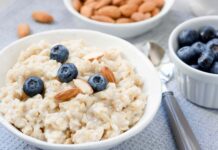




Oatmeal is a nutritional powerhouse, but even healthy habits can backfire if done incorrectly. Many people unknowingly undermine the benefits of this whole-grain breakfast through common mistakes. This guide breaks down those pitfalls and how to avoid them, ensuring you get the most from your bowl.
Portion Control: More Isn’t Always Better
A standard serving of oatmeal is roughly 1 cup cooked, providing around 150 calories, 5 grams of protein, and 27 grams of carbohydrates with 4 grams of fiber. However, many people overeat, unknowingly increasing their calorie intake and leaving less room for other essential nutrients like eggs, fruit, or nuts. Portion awareness is key to maximizing benefits without derailing weight management.
Choosing the Right Oats: Processing Matters
Not all oats are created equal. Steel-cut and oat groats are the least processed, retaining maximum nutrients and fiber. These digest slowly, promoting stable blood sugar levels. Instant oats, while convenient, have undergone more processing, slightly reducing their nutritional value and causing faster blood sugar spikes. Some brands even add hidden sugars, further diminishing the health benefits. Prioritize less-processed options for optimal blood sugar control and nutrient retention.
The Sugar Trap: Toppings Can Undo Progress
The U.S. Department of Health and Human Services recommends limiting added sugars to no more than 11.5% of daily calories. Many common oatmeal toppings—sugar, brown sugar, maple syrup, honey, chocolate chips, and sweetened nut butters—quickly push you over that limit. Instead, enhance flavor naturally with fresh fruit or spices like cinnamon. This provides sweetness without the unhealthy sugar rush.
Liquid-to-Oats Ratio: Texture Makes a Difference
Incorrect liquid-to-oats ratios result in either gluey or watery oatmeal. For stovetop cooking, use a 1:2 ratio (e.g., 1/2 cup oats to 1 cup liquid). Microwaving requires a 1:1 starting point, with adjustments as needed. Precision ensures a palatable texture and avoids wasted ingredients.
Milk vs. Water: Nutrient Boosters
While water is acceptable, using milk (cow’s, soy, or almond) adds protein and essential nutrients to your oatmeal. Greek yogurt for overnight oats further enhances the nutritional profile. Milk transforms oatmeal from a simple carb source into a more balanced meal.
Protein: The Missing Piece
Oatmeal alone isn’t a complete meal. Pairing it with protein, fruits, vegetables, and healthy fats slows digestion, stabilizes blood sugar, and supports muscle growth. Hard-boiled eggs, nut butters, or even a handful of nuts make a significant difference.
The Flavor Secret: Don’t Forget Salt
A pinch of salt enhances flavor, bringing out the taste of spices like cinnamon and vanilla. It also reduces the urge to over-sweeten. Salt isn’t just about taste; it balances flavors and prevents unnecessary sugar intake.
By avoiding these seven mistakes, you can transform oatmeal from a potentially sabotaging breakfast into a truly health-boosting meal. Focus on portion control, ingredient quality, and balanced nutrition to reap the full benefits of this versatile grain.