


Many people rely on sourdough bread as a healthy option, but a single slice only delivers 1-2 grams of fiber. Fortunately, numerous foods offer significantly more dietary fiber per serving, which is crucial for digestive health, stable blood sugar, and heart function. Here’s a breakdown of nine fiber-rich alternatives:
1. Lentils: The Fiber Powerhouse
Fiber content: 15.8 grams per cooked cup (56% Daily Value – DV)
Lentils stand out as one of the most fiber-dense plant foods. A single cup provides over half the daily fiber goal for most adults, alongside 18 grams of plant-based protein. This combination slows digestion, aiding weight management and keeping blood sugar steady. They also deliver iron and folate for energy and healthy blood cells.
Add lentils to soups, stews, or veggie burgers for a substantial fiber boost.
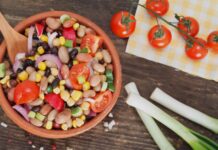
2. Black Beans: Soluble & Insoluble Benefits
Fiber content: 15 grams per cooked cup (53% DV)
Black beans provide both soluble and insoluble fiber, which work differently but both benefit health. Soluble fiber helps control cholesterol and blood sugar, while insoluble fiber aids digestion and prevents constipation. Research links legume-rich diets to lower LDL cholesterol and reduced heart disease risk.
Enjoy black beans in tacos, rice dishes, or as a blended dip.
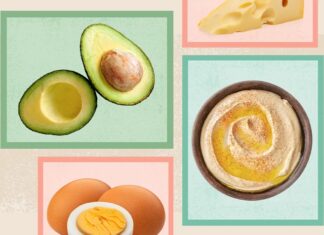
3. Avocado: Healthy Fats & Fiber Combo
Fiber content: 13.5 grams per average avocado (48% DV)
Avocados aren’t just about healthy fats; they deliver a substantial fiber dose too. The combination of fiber and monounsaturated fats slows digestion, increasing fullness and potentially aiding weight management. They also provide potassium for blood pressure regulation and folate for cell growth.
Spread avocado on whole-grain toast or use it in guacamole.
4. Chia Seeds: Tiny Seeds, Massive Fiber
Fiber content: 9.75 grams per 1 ounce (2 tablespoons; 35% DV)
Chia seeds are remarkably fiber-dense. Their soluble fiber absorbs liquid, forming a gel that slows digestion, stabilizing blood sugar and promoting fullness. They also provide heart-healthy omega-3s, calcium, and magnesium.
Stir chia seeds into yogurt, oatmeal, or smoothies.
5. Raspberries: Sweet & Surprisingly High-Fiber
Fiber content: 8 grams per cup (29% DV)
Raspberries deliver nearly a third of your daily fiber needs in a single cup. They also contain vitamin C and polyphenols with antioxidant properties, which may reduce inflammation and support heart health.
Add raspberries to oatmeal, yogurt, or enjoy them as a naturally sweet snack.
6. Pears: A Convenient Fiber Boost
Fiber content: 5.5 grams per medium pear (20% DV)
Pears provide almost 20% of your daily fiber target in an easily portable snack. Much of the fiber resides in the skin, so eat it rather than peel it. They also contain antioxidants that may support blood sugar control and cardiovascular health.
Pair pears with oatmeal, salads, or whole-grain bread.
7. Artichoke Hearts: The Gut-Friendly Fiber Source
Fiber content: 9.69 grams per cooked cup (35% DV)
Artichoke hearts are rich in prebiotic fiber called inulin, which feeds beneficial gut bacteria. This supports digestion, immune function, and may reduce inflammation. They also contain plant compounds that may support liver function and lower LDL cholesterol.
Add artichoke hearts to salads, pasta dishes, or dips.
8. Sprouted Grain Bread: More Than Just Toast
Fiber content: 3 grams per slice (10% DV)
Sprouted grain bread, made from germinated whole grains, may enhance nutrient absorption compared to standard bread. It’s denser and more filling, making it a nutritious base for sandwiches and toast.
Swap sourdough for sprouted grain bread for a fiber upgrade.
9. Oats: Beta-Glucan for Heart Health
Fiber content: 4 grams per cooked cup (14% DV)
Oats provide a good fiber dose, especially beta-glucan, which may lower LDL cholesterol and stabilize blood sugar. They also supply calcium, iron, and B vitamins for energy, metabolism, and bone health.
Start your day with oatmeal topped with fruit and nuts.
How to Increase Fiber Intake
Most adults fall short of the 22-34 grams of fiber needed daily. Make small swaps like using sprouted-grain bread, adding beans and vegetables to meals, and incorporating fiber-rich snacks. Increase intake gradually to avoid digestive discomfort, and drink plenty of water. A diverse diet including fruits, vegetables, whole grains, legumes, nuts, and seeds is key.