



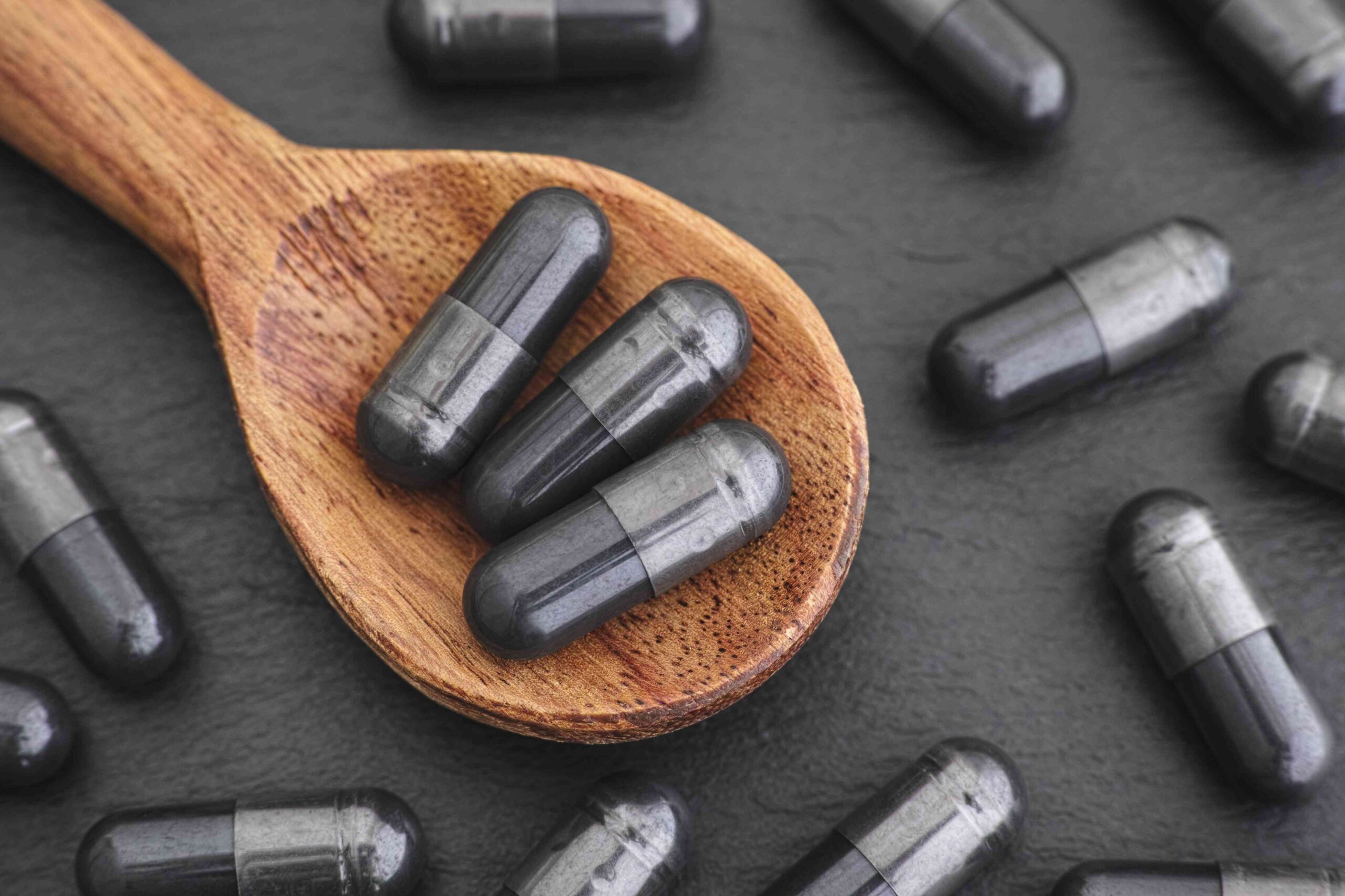
Activated charcoal, also known as activated carbon, is a versatile substance with potential health benefits ranging from digestive support to emergency poison treatment. While commonly touted for detoxification and wellness, its effectiveness varies widely depending on the application, and some uses lack strong scientific backing. Here’s a breakdown of the current understanding, risks, and how it works.
How Activated Charcoal Works
Activated charcoal’s primary function is adsorption – not absorption. This means substances stick to its surface rather than being soaked in. Its highly porous structure creates a massive surface area that can bind to toxins, gases, and other compounds. This property makes it valuable in emergency medicine, but also impacts how it interacts with medications and nutrients within the body.
Proven Uses: Poisoning and Overdoses
The most reliable application of activated charcoal is in treating poisoning and overdoses. Hospitals use high doses to prevent the absorption of dangerous substances like carbamazepine, dapsone, and phenobarbital into the bloodstream. It’s most effective when administered within the first hour after ingestion. However, it doesn’t work on all toxins – alcohols, lithium, metals, and corrosive substances are unaffected.
Important Note: Over-the-counter charcoal products aren’t concentrated enough for emergency use. In case of poisoning, seek immediate medical attention.
Potential Benefits: Supported by Limited Research
Several other uses for activated charcoal have been explored, but require further investigation.
Gas and Bloating
Some studies suggest activated charcoal can reduce gas production, including in individuals with small intestinal bacterial overgrowth (SIBO). A 2020 study showed it decreased gas obstructing ultrasound images, but sample sizes were small. Simethicone and antibiotics remain more effective treatments for bloating.
Diarrhea
Activated charcoal may help with traveler’s diarrhea by binding to bacteria and toxins. However, it can also worsen dehydration and nutrient absorption, making it unsuitable for individuals already experiencing fluid loss.
Skin Health
Activated charcoal cloths have shown promise in treating leg ulcers faster than conventional dressings. Medical-grade charcoal is more effective than powdered forms.
Teeth Whitening
Evidence is mixed. Some studies indicate activated charcoal can remove surface stains, but it’s also abrasive and can erode tooth enamel with prolonged use.
Cholesterol and Kidney Health
Animal studies suggest activated charcoal may lower cholesterol and improve kidney function in dialysis patients. Human research is lacking.
Body Odor
Activated charcoal is a common ingredient in deodorants, but there are no studies confirming its effectiveness.
Risks and Side Effects
While generally safe, activated charcoal carries risks:
- Intestinal Blockage: Individuals with pre-existing gut motility issues should avoid it.
- Drug Interactions: Activated charcoal binds to many medications, reducing their effectiveness. Avoid taking it with birth control, asthma medications, anti-seizure drugs, NSAIDs, and others.
- Nutrient Absorption: It can interfere with vitamin and mineral absorption.
- Digestive Issues: Common side effects include black stools, constipation, diarrhea, and vomiting.
- Aspiration Risk: In emergency settings, it can cause aspiration if administered to semiconscious or vomiting patients.
Dosage and Timing
There’s no standardized dosage. Supplements range from 250-950mg. Emergency doses are higher, determined by toxin amount and body weight. Take activated charcoal on an empty stomach, at least one hour before or after medications.
Conclusion
Activated charcoal is most valuable in emergency medical situations, particularly poisoning treatment. Other purported benefits, like digestive support or skin healing, lack robust scientific evidence. Individuals considering its use should be aware of potential risks, drug interactions, and the limitations of current research. Consulting with a healthcare professional before using activated charcoal is always advisable.