




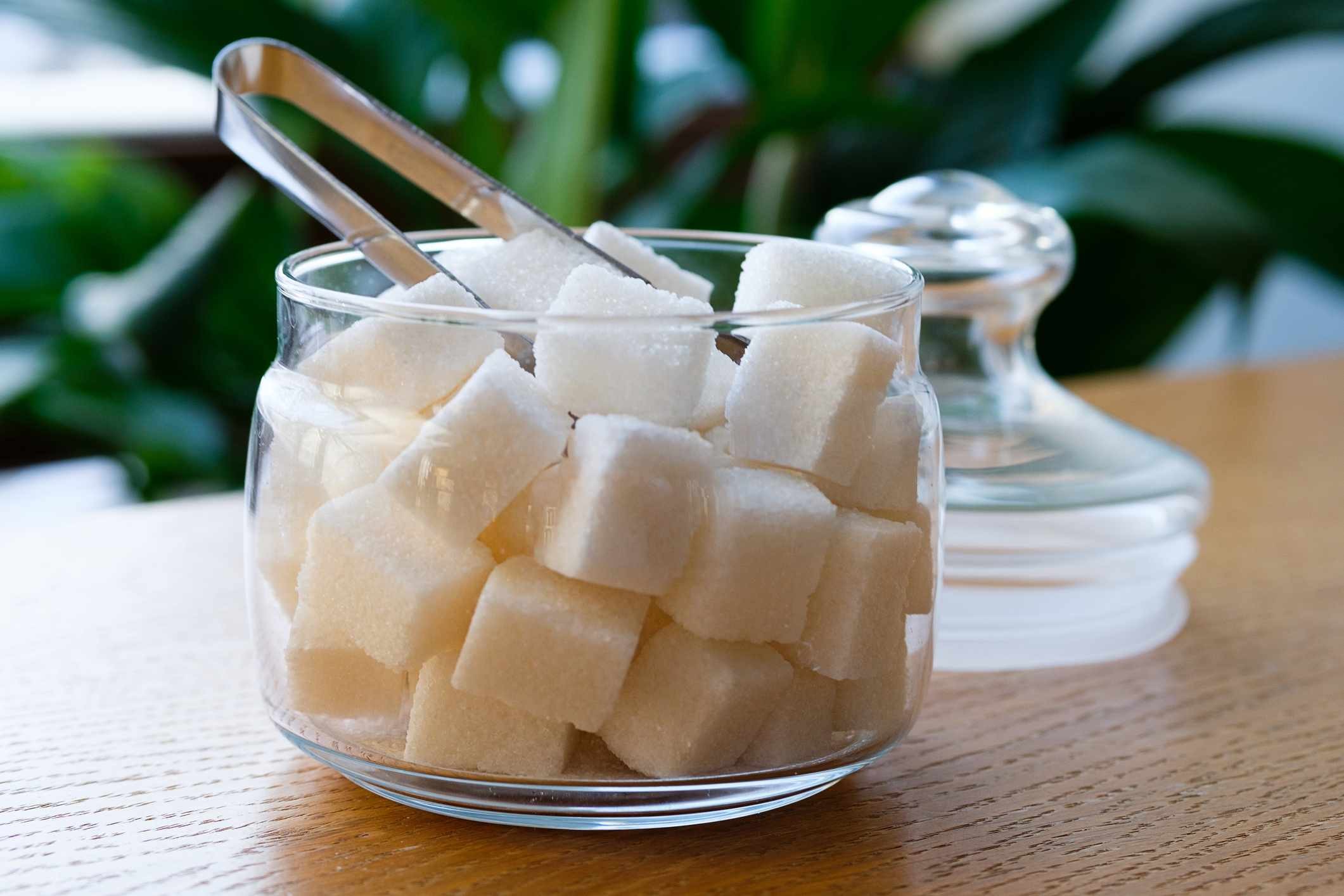
Cane sugar, a staple in many diets, is under increasing scrutiny for its potential health impacts. While derived from a natural source, the way we consume it today – heavily refined and in excess – may be contributing to a range of health problems. This isn’t about eliminating sweetness entirely; it’s about understanding how much is too much and what alternatives might be better.
How Cane Sugar Affects Your Body
The primary concern with cane sugar (especially in its highly processed white form) is its role as an added sugar. Unlike sugars naturally found in fruits or vegetables, added sugars provide calories without significant nutritional value. Consuming too much leads to several potential consequences:
- Weight Gain: Sugar is calorie-dense, meaning it packs a lot of energy into a small amount. It doesn’t fill you up, leading to overeating and weight gain over time.
- Type 2 Diabetes Risk: Excessive sugar intake overwhelms the body’s ability to process glucose, causing insulin resistance. This can eventually lead to type 2 diabetes, a chronic condition where blood sugar remains dangerously high.
- Heart Health: High-sugar diets raise triglyceride levels, a type of fat in the blood linked to increased cardiovascular disease risk.
- Energy Crashes & Fatigue: The initial sugar rush is followed by a rapid drop in blood sugar, causing fatigue, irritability, and cravings for more sugar. This creates a vicious cycle.
- Dental Health: Sugar feeds the bacteria in your mouth, accelerating tooth decay and cavity formation.
- Brain Function: Research suggests high sugar intake may worsen anxiety, stress, and even contribute to cognitive decline over time.
Recommended Limits & Alternatives
Experts advise adults to limit added sugars to no more than 6% of daily calories. On a 2,000-calorie diet, this equates to roughly 6–9 teaspoons (25–36 grams) per day. That’s surprisingly little when you consider how much sugar is hidden in processed foods, drinks, and even seemingly healthy options.
If you’re looking for alternatives, zero-calorie sweeteners like stevia and monk fruit can provide sweetness without the same metabolic downsides. However, moderation is still key.
Cane Sugar vs. Less Processed Options
While white table sugar is stripped of nearly all nutrients during refining, less processed forms like raw cane sugar retain trace amounts of vitamins and minerals. However, these quantities are likely too small to significantly benefit health. The bigger issue isn’t where the sugar comes from, but how much you consume.
The key takeaway is to be mindful of hidden sugars in your diet and prioritize whole foods over highly processed ones. Small changes can make a big difference in long-term health.
Ultimately, while cane sugar isn’t inherently evil, its excessive consumption contributes to many health issues. By understanding its effects and making informed choices, you can enjoy sweetness in moderation without sacrificing your well-being.