



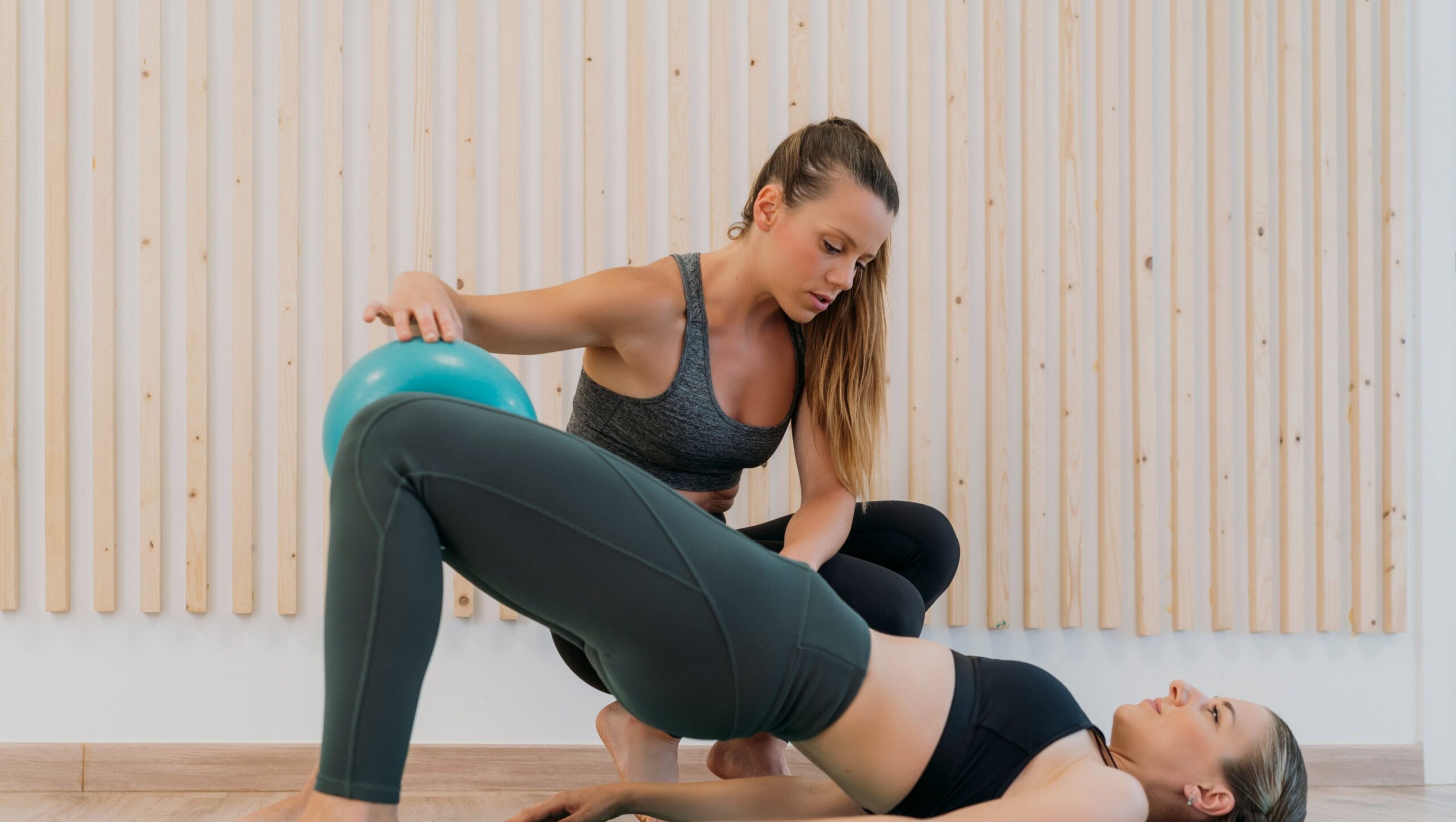
The glute bridge seems simple: lie on your back, lift your hips. Yet, many struggle. It’s not just about weak glutes. The real roadblocks are often hidden in core strength, hip mobility, or even pain that’s holding you back. Here’s a breakdown of why you might be failing, and how to finally nail this exercise.
The Core Connection: Are You Relying on Your Arms?
If you’re pushing yourself up with your arms instead of driving through your glutes, your core is likely weak. The core stabilizes your body during the lift. A weak core forces you to compensate, turning the glute bridge into an upper-body exercise.
Signs of a weak core: poor posture, lower back pain, and the need to actively pull yourself up.
Fix it: Strengthen your core with these exercises:
- Plank: Hold a straight line from head to heels, engaging glutes and abs. Start with 10 seconds, building to 30. Three sets.
- Dead Bug: Lie on your back, arms extended, knees bent. Lower one leg and the opposite arm simultaneously, keeping your lower back pressed into the floor. Three sets of 10 reps per side.
Weak Glutes: The Catch-22
You want to strengthen your glutes with the glute bridge, but if they’re already weak, the exercise becomes harder. Weak glutes mean your hamstrings and core have to overcompensate, making the movement inefficient and tiring.
Signs: Difficulty with extension movements (like standing up from a squat or picking something up), feeling the strain in your lower back instead of your glutes.
Fix it: Build glute strength with these exercises:
- Lunges: Step forward, bending both knees to 90 degrees. Push off the front foot to return. Four sets of 10 reps per leg.
- Squats: Stand with feet shoulder-width apart, shift hips back, and lower until thighs are parallel to the floor. Four sets of 10 reps.
- Romanian Deadlifts: Hold dumbbells and hinge at the hips, keeping your back straight. Squeeze glutes to return. Four sets of 10 reps.
Hip Mobility: The Hidden Blockade
Many people struggle with tight hip flexors, a result of prolonged sitting. Tight hip flexors restrict your range of motion, making it impossible to fully extend your hips at the top of the glute bridge.
Signs: Feeling a stretch in your hip flexors, inability to fully extend your hips, and a limited range of motion.
Fix it: Improve hip mobility with these stretches:
- Kneeling Glute Activation: Kneel, sit back on your heels, and drive up, squeezing glutes at the top. Three sets of 8 reps.
- Butterfly Stretch: Sit with soles of feet touching, pull feet closer, and fold forward if comfortable. Hold for 20 seconds, three sets.
- Kneeling Hip Flexor Stretch: Kneel with one leg forward, gently push hips forward, feeling the stretch in your hip flexor. Hold for 30 seconds, three sets per side.
Pain: A Sign of Weakness or Imbalance
If you experience hip, knee, or lower back pain during the glute bridge, it’s a sign that underlying muscles are weak or imbalanced. The exercise is forcing your body to compensate for these weaknesses, leading to discomfort.
Fix it: Address the pain by strengthening the surrounding muscles and improving your form. If pain persists, consult a healthcare professional.
The Takeaway
The glute bridge isn’t just about glutes. Weakness in your core, tight hips, or underlying pain can all sabotage your efforts. Strengthen your core, improve your hip mobility, and address any pain before attempting this exercise. Focus on proper form and gradual progression, and you’ll finally unlock the full benefits of the glute bridge