



Constipation is a widespread issue, affecting up to 80% of the population, and leading to millions of medical visits annually. While pharmaceutical solutions exist, they often come with unwanted side effects. Fortunately, simple dietary and lifestyle changes can provide significant relief. This includes regular exercise and a diet rich in whole plant foods, particularly fruits like prunes and figs.
The Science Behind Natural Relief
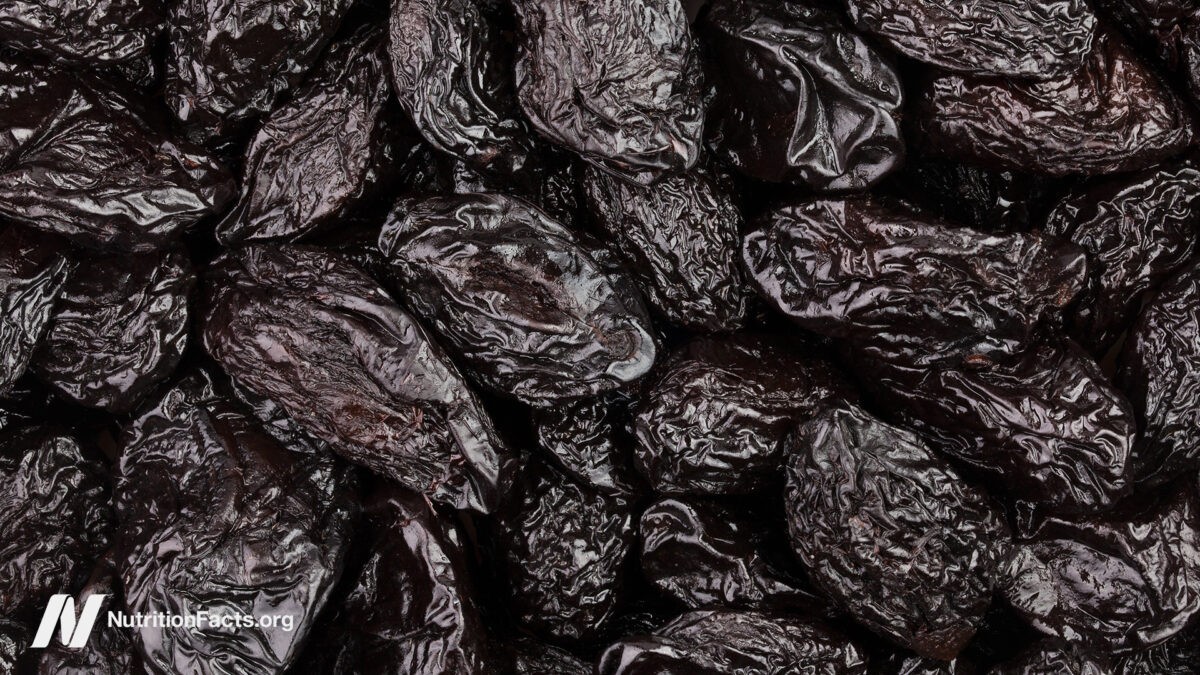
Studies consistently demonstrate the effectiveness of prunes and figs in alleviating constipation. One study found that consuming roughly eight prunes daily significantly improved stool bulk and bowel movement frequency within a week. The benefit isn’t just psychological: even in controlled trials, where participants received water as a control, prune consumption still outperformed the placebo effect, which can be surprisingly strong in constipation studies (up to 44%).
Prunes appear to work better than over-the-counter fiber supplements like psyllium (Metamucil). The exact mechanism isn’t solely fiber; prune juice, which lacks fiber, also provides relief, suggesting other compounds like sorbitol – a natural sugar alcohol – play a role. However, excessive prune consumption (over a dozen daily) could lead to laxative effects due to high sorbitol levels.
The Case for Figs
Dried figs also show promise, particularly for those with Irritable Bowel Syndrome (IBS). Randomized, double-blind trials show that eating just two figs daily can significantly reduce colon transit time (by up to 24 hours) and improve stool consistency. While some results were statistical flukes, the overall data indicates figs are a valuable natural remedy.
Beyond Relief: Prunes and Figs in Context
The effectiveness of prunes and figs isn’t merely anecdotal. These fruits have a long history of use as both laxatives and antidiarrheal remedies. Incorporating them into a diet rich in whole plant foods, alongside regular physical activity, offers a simple, effective, and often overlooked solution to chronic constipation.
Ultimately, addressing constipation naturally through diet and lifestyle is more sustainable and less disruptive than relying solely on medication. If you’re struggling with regularity, consider adding prunes or figs to your routine – your gut will thank you.