




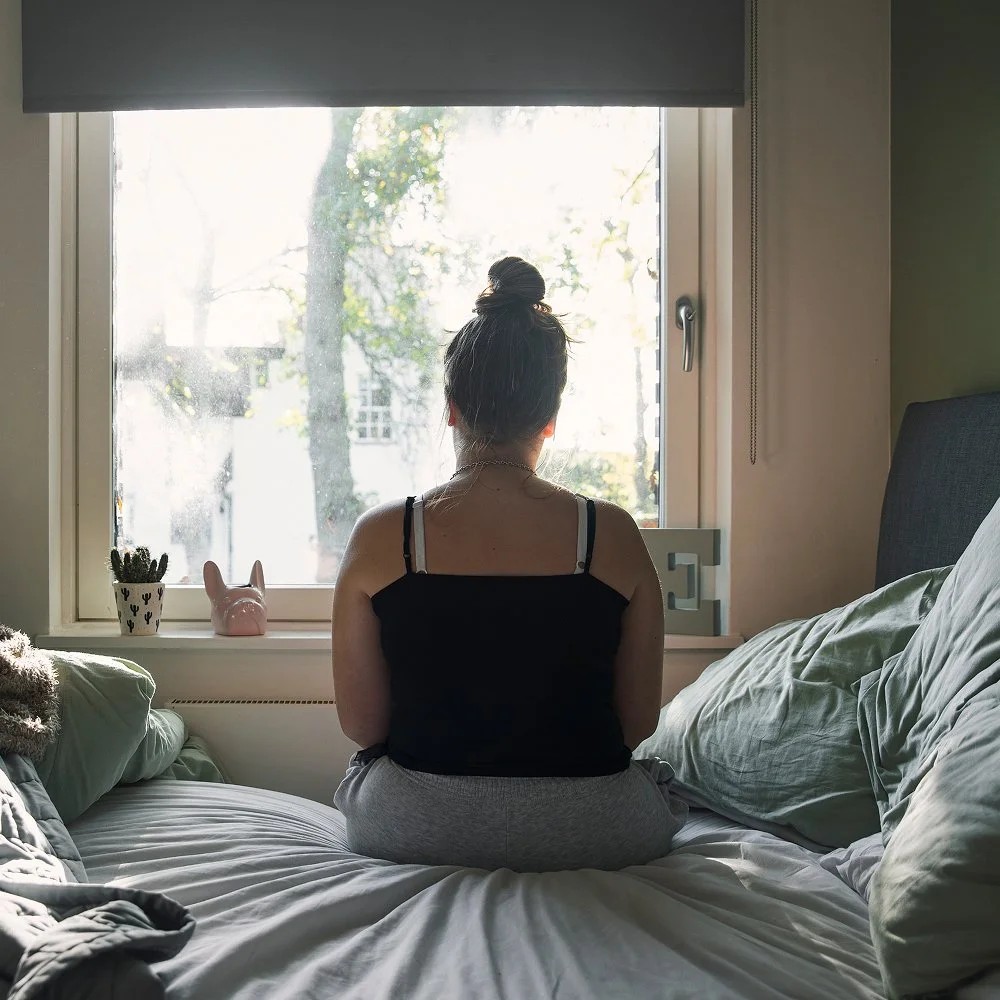
Depression doesn’t always look like sadness. For many women, it manifests as quiet exhaustion, irritability, or a sense of disconnection – feelings easily dismissed as stress or just being “tired.” Despite appearing functional on the surface, this internal heaviness is a common experience, with roughly one in three women facing a major depressive episode in their lifetime. Understanding how depression presents in women is the first step towards effective coping.
Why Women Experience Depression Differently
Women are about twice as likely as men to be diagnosed with depression, not due to weakness, but due to a complex interplay of biology, hormones, and societal pressures.
Hormonal Fluctuations: Estrogen and progesterone directly influence brain chemicals linked to mood regulation. Shifts during menstruation, pregnancy, postpartum, and menopause can destabilize emotional balance.
Societal Expectations: Women often bear the brunt of caregiving, work, and social expectations, leaving little room for emotional processing. Chronic stress silently undermines resilience.
Trauma and Inequality: Higher rates of violence, discrimination, and financial barriers increase vulnerability. These experiences compound, making recovery harder.
Socialized Coping Styles: Women are often taught to internalize distress, turning frustration inward as self-criticism, while men may express it outwardly. This inward focus makes depression quieter but more persistent.
7 Steps to Gentle Coping
Living with depression feels like an uphill battle. The goal isn’t to force positivity, but to build small, sustainable supports that help you function and reconnect with yourself.
- Reach Out, Even in Small Ways: Isolation worsens depression. A simple text to a friend (“I’m having a hard time”) can lift the weight slightly. Micro-interactions – a chat with a barista, a wave to a neighbor – remind you that you’re not alone. If thoughts of self-harm arise, contact the Suicide and Crisis Lifeline at 988 (U.S.) immediately.
- Build Gentle Structure: Depression blurs time. A simple routine (wake up around the same time, eat by noon, step outside) grounds you. Tie activities to existing habits (stretch while coffee brews, journal before bed) for predictability.
- Move Your Body, Not Punish It: Exercise eases depression, but forcing intense workouts can backfire. Walk, stretch, or dance to one song. Natural light and fresh air boost mood.
- Nourish Your Body: Depression impacts appetite. Keep easy options handy (fruit, yogurt, soup). Eat every 3-4 hours. Balance protein, carbs, and color on your plate.
- Track Your Mood: Note sleep, mood, and stress daily to spot patterns. This isn’t about judgment; it’s data for doctors or therapists.
- Create Mental Breathing Room: Depression shrinks perspective. Ground yourself: name five things you see, four you hear, three you touch, two you smell, one you taste. Mindful breathing (inhale 4, exhale 6) helps create space between thoughts.
- Seek Professional Support Early: If symptoms persist for two weeks or interfere with daily life, reach out to a doctor, therapist, or psychiatrist. Women’s depression often overlaps with hormonal transitions; request a full physical exam and lab work.
When to Seek Help
Don’t wait for things to get worse. Feeling unwell is reason enough to ask for help. If symptoms last longer than two weeks or impact daily life, seek professional guidance. If you have thoughts of self-harm, reach out immediately. Therapy, medication, or both can make a real difference.
Depression in women is often rooted in biology, hormones, and social realities. It’s not a weakness but a complex condition deserving of compassion and early intervention.
In the U.S., you can call or text 988 for the Suicide and Crisis Lifeline for free, confidential support 24/7.