

The latest dietary guidelines have sparked debate, particularly for those concerned about cancer risk – survivors, thrivers, and those genetically predisposed to the disease. While the guidelines largely emphasize whole foods, the visual presentation raises questions about whether the message is being lost in translation.
The Good: Plant-Forward Eating for Health
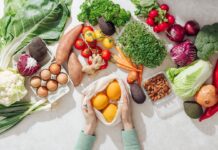
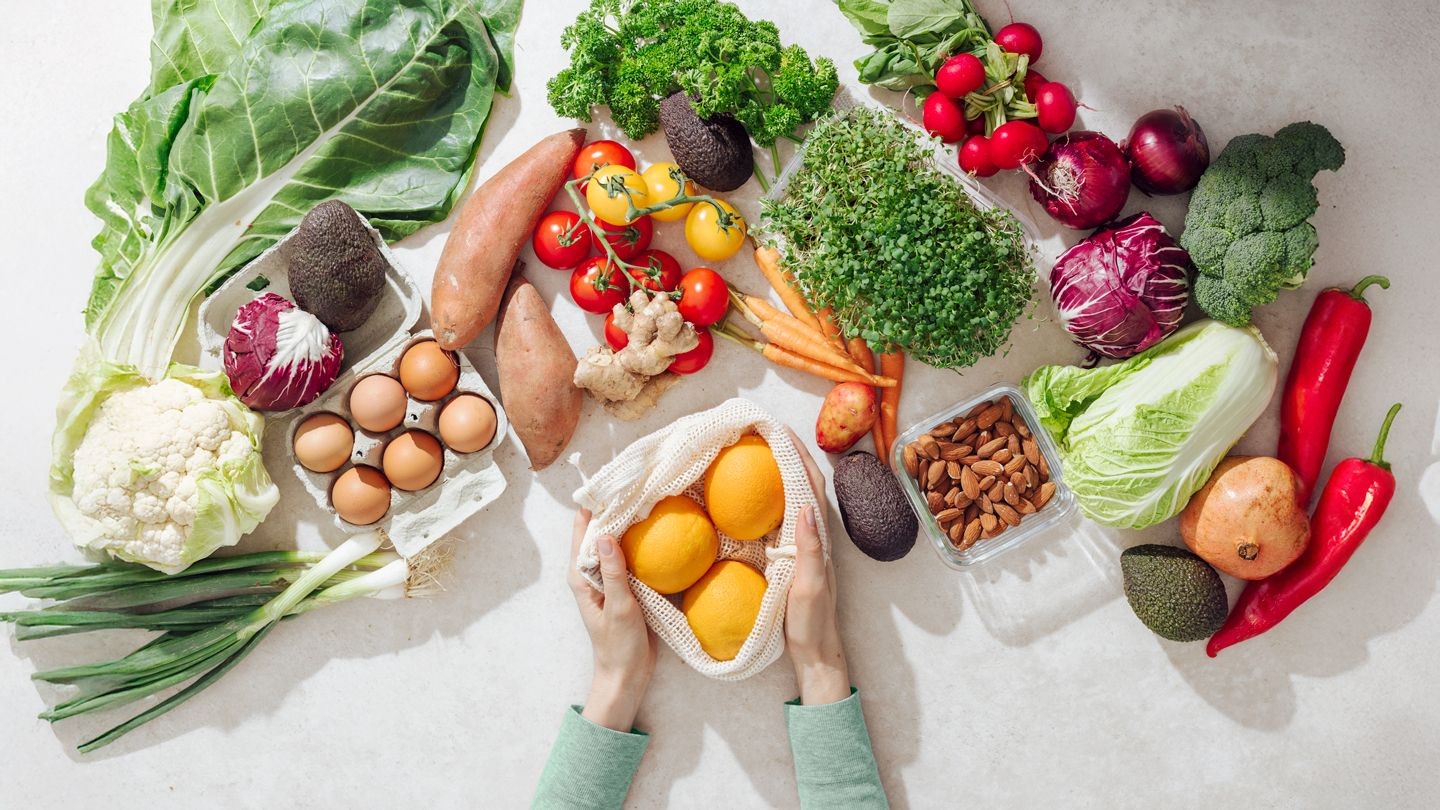
The updated guidelines continue to encourage a diet rich in fruits, vegetables, whole grains, legumes (including soy), nuts, and seeds, while limiting ultraprocessed foods, added sugars, saturated fat, and excess sodium. This aligns with established recommendations for cancer prevention and recovery.
Key Takeaways:
- Protein Intake: The recommended protein intake of 1.2–1.6 grams per kilogram of body weight is crucial for those undergoing cancer treatment or recovery, as protein needs are higher during these phases.
- Convenience Matters: The guidelines acknowledge the importance of frozen and canned produce, particularly for individuals with fatigue or limited energy during treatment.
- Soy’s Role: Soy is a powerful, often misunderstood food linked to a reduced risk of breast cancer recurrence, and its inclusion in the written guidelines is encouraging.
The American Cancer Society (ACS) supports this plant-forward approach, emphasizing its benefits for reducing recurrence risk, improving cardiometabolic health, and increasing longevity.
The Problem: A Misleading Visual Pyramid
The visual representation of the new guidelines – a flipped food pyramid – contradicts the written recommendations. The pyramid implies that animal foods rich in saturated fat deserve more space on your plate, while plant proteins are minimized, and whole grains are relegated to the bottom. This is concerning because high saturated fat intake is linked to increased cancer mortality.
The Science:
- Research shows that red and processed meats increase the risk of colorectal cancer.
- Swapping saturated fats for poly- and monounsaturated fats (like olive oil) reduces the risk of dying from cancer and heart disease.
- Replacing just 3% of daily calories from animal protein with plant protein can reduce cancer and heart disease mortality by 10%.
The pyramid’s imbalance undermines the guidelines’ core message: prioritize whole plant foods.
Alcohol Consumption: A Vague Recommendation
Another major drawback is the removal of a clear daily alcohol limit, replaced with the vague suggestion to “drink less.” Alcohol is a known carcinogen linked to at least seven types of cancer, including breast, colorectal, esophageal, and liver cancer. For those concerned about cancer risk, abstaining from alcohol is the safest option. If consumption occurs, the ACS recommends no more than one drink per day for women and two for men.
Four Foundational Dietary Principles for Long-Term Health
To optimize health and reduce cancer risk, focus on these principles:
- Fruits & Vegetables: Aim for at least 5–7 servings daily, whether fresh, frozen, or canned.
- Whole Grains: Swap refined grains for whole grains like quinoa, farro, brown rice, or steel-cut oats.
- Plant Proteins First: Build meals around beans, lentils, soy, nuts, and seeds before adding lean animal proteins in smaller amounts.
- Minimize Ultraprocessed Foods: Reduce consumption of ultraprocessed foods, red and processed meats, and alcohol as much as possible.
The Bottom Line:
Dietary patterns matter more than perfection. Consistently choosing whole plant foods over processed options is the key to long-term health and cancer risk reduction. As Michael Pollan famously said, “Eat food. Not too much. Mostly plants.”
Source: Everyday Health follows strict sourcing guidelines to ensure the accuracy of its content, outlined in our editorial policy. We use only trustworthy sources, including peer-reviewed studies, board-certified medical experts, patients with lived experience, and information from top institutions.