




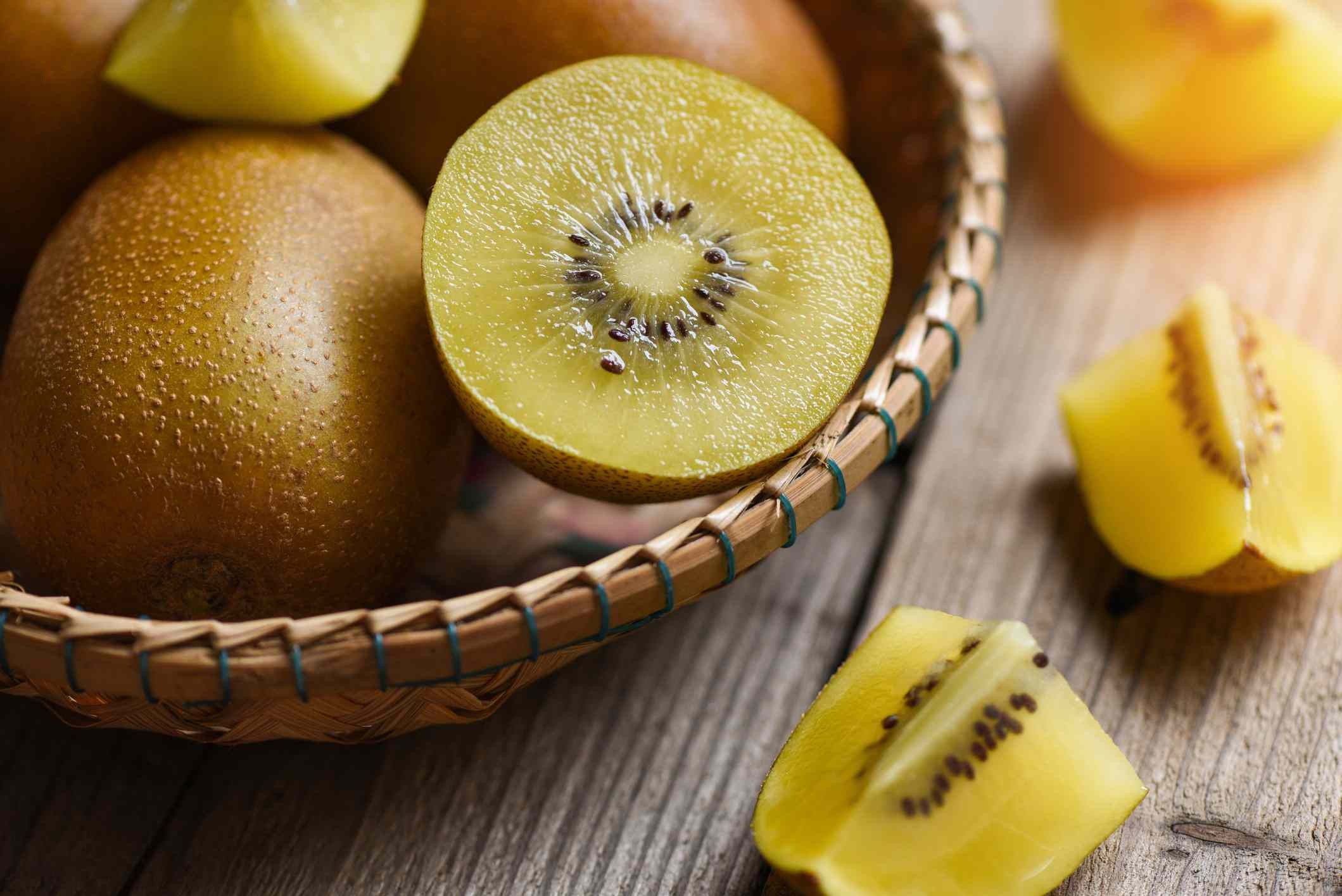
Consuming just two SunGold kiwis per day can easily meet your daily vitamin C needs, potentially removing the need for supplements. This isn’t just about avoiding pills; it’s about leveraging the natural synergy of nutrients found in whole foods.
The Vitamin C Advantage of Kiwis
For decades, people have turned to oranges and supplements for vitamin C. However, SunGold kiwis deliver a higher concentration per serving than most alternatives. According to nutritionist Jacqueline Wyman, a single SunGold kiwi provides roughly 130 milligrams of vitamin C in an 80-gram portion, surpassing the 70 milligrams found in standard green kiwis.
This high intake isn’t just a number; it matters because vitamin C is crucial for immune function, skin health, and antioxidant protection. Swapping processed snacks for kiwis offers a direct health boost.
Does Vitamin C Prevent Colds? The Science Behind the Myth
The idea that mega-doses of vitamin C prevent colds took root in the 1970s with Linus Pauling’s speculation that 1,000mg daily could reduce cold incidence by nearly half. However, subsequent research hasn’t confirmed this effect.
That said, studies have shown kiwis may shorten cold duration and severity. One 2012 study found that participants eating four gold kiwis daily reported fewer symptoms and faster recovery compared to a control group.
Beyond Vitamin C: The Holistic Benefits of Kiwis
Kiwis offer more than just vitamin C. They can:
- Improve cholesterol levels: Raising HDL (good cholesterol) while lowering triglycerides.
- Lower blood pressure: Contributing to better cardiovascular health.
- Boost iron absorption: Helping individuals with anemia when consumed with iron-rich foods.
Wyman emphasizes that smaller, consistent doses of vitamin C from whole foods are more effective than large supplement doses. This is because the body absorbs nutrients better when they’re accompanied by fiber, folate, magnesium, and potassium—all present in kiwis.
Alternatives to Kiwis for Vitamin C Intake
If you don’t like kiwis or have allergies, several other foods can provide ample vitamin C:
- Bell peppers: Especially orange varieties.
- Dark leafy greens: Kale and broccoli.
- Berries: Strawberries are a great choice.
- Other fruits: Pineapple offers a significant dose.
The key takeaway is to prioritize a diverse diet rich in fruits and vegetables, rather than relying solely on supplements. The synergistic benefits of whole foods are difficult to replicate artificially.