



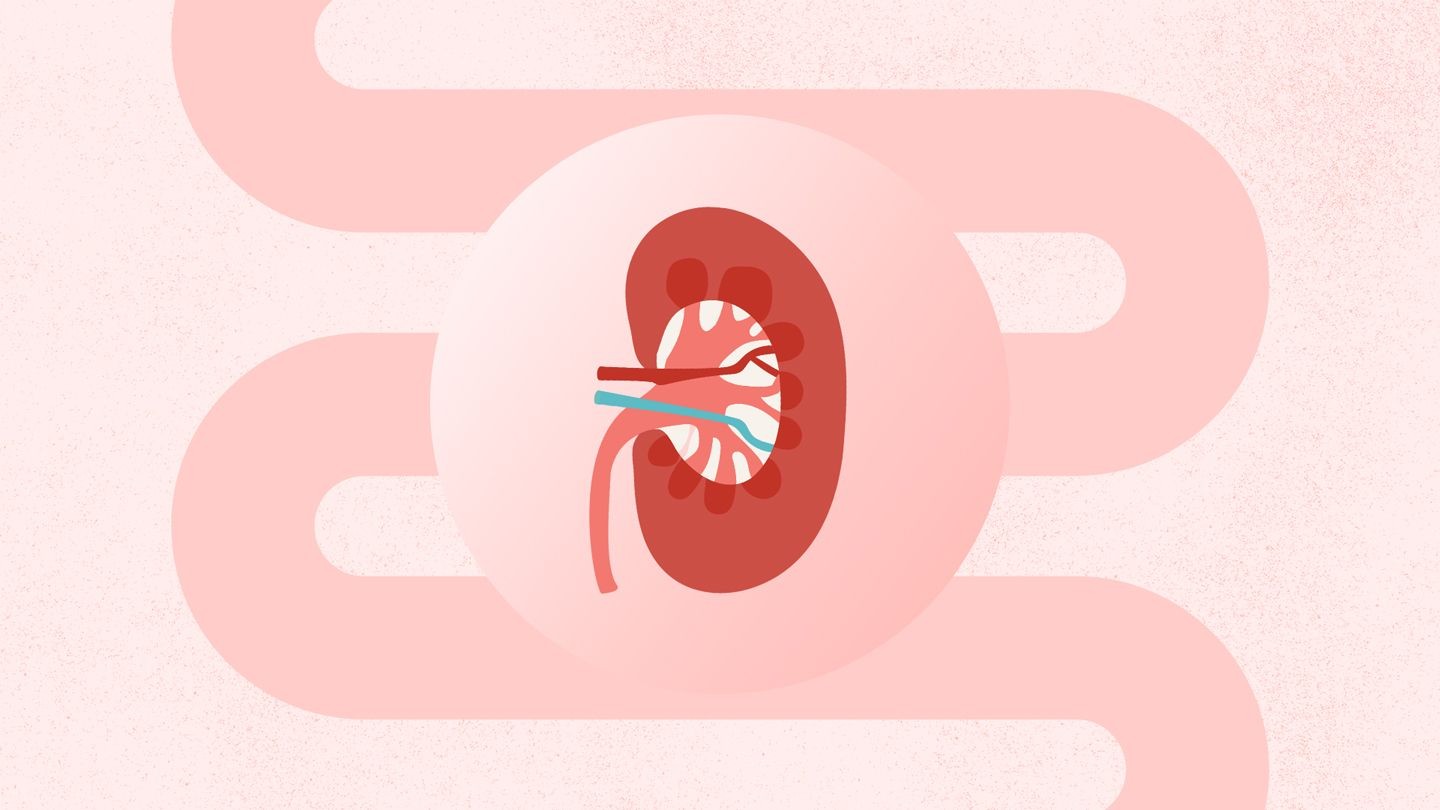
Crohn’s disease, a chronic inflammatory condition primarily affecting the digestive tract, extends its reach beyond gut symptoms like diarrhea and abdominal pain. The body’s inflammatory response can impact joints, skin, eyes, and, in some cases, the kidneys. These extraintestinal manifestations are a significant concern for patients, as they can disrupt quality of life just as severely as the primary gastrointestinal issues.
While kidney problems aren’t the first thing people associate with Crohn’s, they occur more frequently in individuals with inflammatory bowel disease (IBD) than in the general population. The connection between gut health and kidney function – often called the gut-kidney axis – is a growing area of research. Understanding this link is crucial because many complications are preventable with early recognition and proactive care.
The Link Between Gut Inflammation and Kidney Problems
Several mechanisms connect Crohn’s disease to kidney complications. The most common include kidney stones, dehydration-related kidney injury, and, less frequently, inflammatory conditions directly affecting the kidneys.
Malabsorption and Kidney Stones: People with Crohn’s have a higher risk of developing kidney stones, especially calcium oxalate stones. This happens because chronic diarrhea, dehydration, and impaired nutrient absorption alter urine chemistry. When the gut struggles to absorb fats, calcium binds to them instead of to oxalate (a waste product). This leaves free oxalate to be absorbed into the bloodstream and deposited in the kidneys, leading to crystallization. Research indicates a 7–28% risk of kidney stones in Crohn’s patients, compared to 1–15% in the general population.
Dehydration and Acute Kidney Injury (AKI): Severe diarrhea, vomiting, or complications from bowel surgery can quickly lead to dehydration. This puts significant strain on the kidneys and can result in acute kidney injury (AKI). Dehydration also increases the risk of uric acid stone formation by making urine more concentrated and acidic.
Medication Considerations
Certain medications used to manage Crohn’s require monitoring for potential kidney-related side effects:
- 5-ASAs: These anti-inflammatory drugs are generally safe but can, in rare cases, cause kidney inflammation. Periodic blood and urine tests are standard practice for long-term use.
- NSAIDs: Over-the-counter pain relievers like ibuprofen can reduce kidney blood flow and worsen kidney function, especially when combined with dehydration. Their use should be minimized.
- Biologics: While less strongly linked to kidney damage, rare complications have been reported, necessitating periodic monitoring.
Protecting Your Kidneys: Practical Steps
Preventing kidney complications in Crohn’s disease involves a combination of lifestyle adjustments, monitoring, and disease control:
- Hydration is Key: Drink fluids steadily throughout the day (10–13 cups), especially during flares or hot weather. Electrolyte-containing drinks may be more effective than water alone if you’re losing fluids rapidly.
- Regular Checkups: Routine blood and urine tests can catch kidney issues early, even before symptoms appear.
- Control Inflammation: Effective Crohn’s disease management reduces the risk of dehydration, surgery-related complications, and inflammation-driven kidney disease.
- Limit NSAIDs: Avoid frequent or unsupervised use of ibuprofen and other NSAIDs.
- Dietary Adjustments: Consider limiting high-oxalate foods (peanuts, rhubarb, spinach, chocolate) and ensuring adequate calcium intake (1,000–1,200 mg daily).
Crohn’s disease can impact kidney health through multiple pathways, but many issues are preventable with proactive hydration, monitoring, and dietary adjustments. Consistent management of the underlying inflammation is also crucial.
Ultimately, understanding the gut-kidney connection is essential for people with Crohn’s disease. By prioritizing hydration, regular checkups, and responsible medication use, individuals can significantly reduce their risk of developing kidney complications.