


Choosing between traditional braces and clear aligners like Invisalign is a common dilemma for those seeking orthodontic treatment. Both methods effectively correct crooked, crowded, or misaligned teeth – including overbites and underbites – but differ in approach, cost, and lifestyle impact. This article breaks down the pros and cons of each to help you understand which option might be best.
Understanding the Basics: How They Work
Braces involve metal brackets glued to your teeth, connected by wires and sometimes elastic bands. These apply continuous pressure, gradually shifting teeth into their correct positions. Adjustments happen every 4 to 12 weeks.
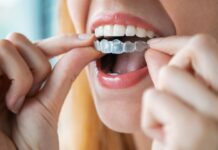
Invisalign uses a series of custom-made, nearly invisible plastic trays that fit over your teeth. Each tray applies pressure to guide teeth incrementally, and you switch to a new tray every one to two weeks. The entire process is guided by digital scans of your mouth.
Cost and Treatment Duration
The price for either treatment varies significantly depending on the complexity of your case and your location. Generally, braces range from $3,000 to $7,000, while Invisalign often costs $4,000 to $8,000. However, some practices now fabricate their own aligners internally, potentially lowering Invisalign costs. Treatment with braces typically takes 12 to 24 months, though severe cases can take longer. Invisalign can sometimes offer faster results for simpler corrections.
Comfort and Lifestyle Considerations
Braces, while effective, can be uncomfortable initially, and require adjustments that cause temporary soreness. Aligners are generally more comfortable as there are no brackets irritating the mouth. A key advantage of aligners is their removability: you take them out to eat, brush, floss, and for special events. Braces require extra care to clean around the brackets, and certain foods (hard or sticky) must be avoided.
When Braces Might Be Better
For complex cases – severe misalignment, large gaps, or significant overbites – braces often provide more precise control. They are also non-removable, ensuring continuous treatment without relying on patient compliance. This can be particularly beneficial for younger patients who may not consistently wear aligners.
When Invisalign Might Be Better
Invisalign excels in discreetness. The clear trays are nearly invisible, making them ideal for adults and teens self-conscious about traditional braces. The removability also simplifies oral hygiene and allows unrestricted eating. However, success with Invisalign hinges on consistent wear: aligners must be worn 20 to 22 hours a day for optimal results.
Alternatives to Invisalign
While Invisalign is a leading brand, several alternatives exist. CandidPro combines in-office scans with remote check-ins via an app. ALIGNERCO offers lower-cost options, including night-only aligners. NewSmile and Aligner32 provide fully at-home impression kits with refunds if you’re not a candidate. Smileie offers both mail-in and in-person scanning options.
The Bottom Line
Both braces and Invisalign can straighten teeth effectively. The best choice depends on your individual needs, lifestyle, and complexity of your case. If you have severe issues, braces may be more effective. If you prioritize discretion and convenience, Invisalign could be a better fit. Consulting with an orthodontist is crucial for a personalized recommendation.