



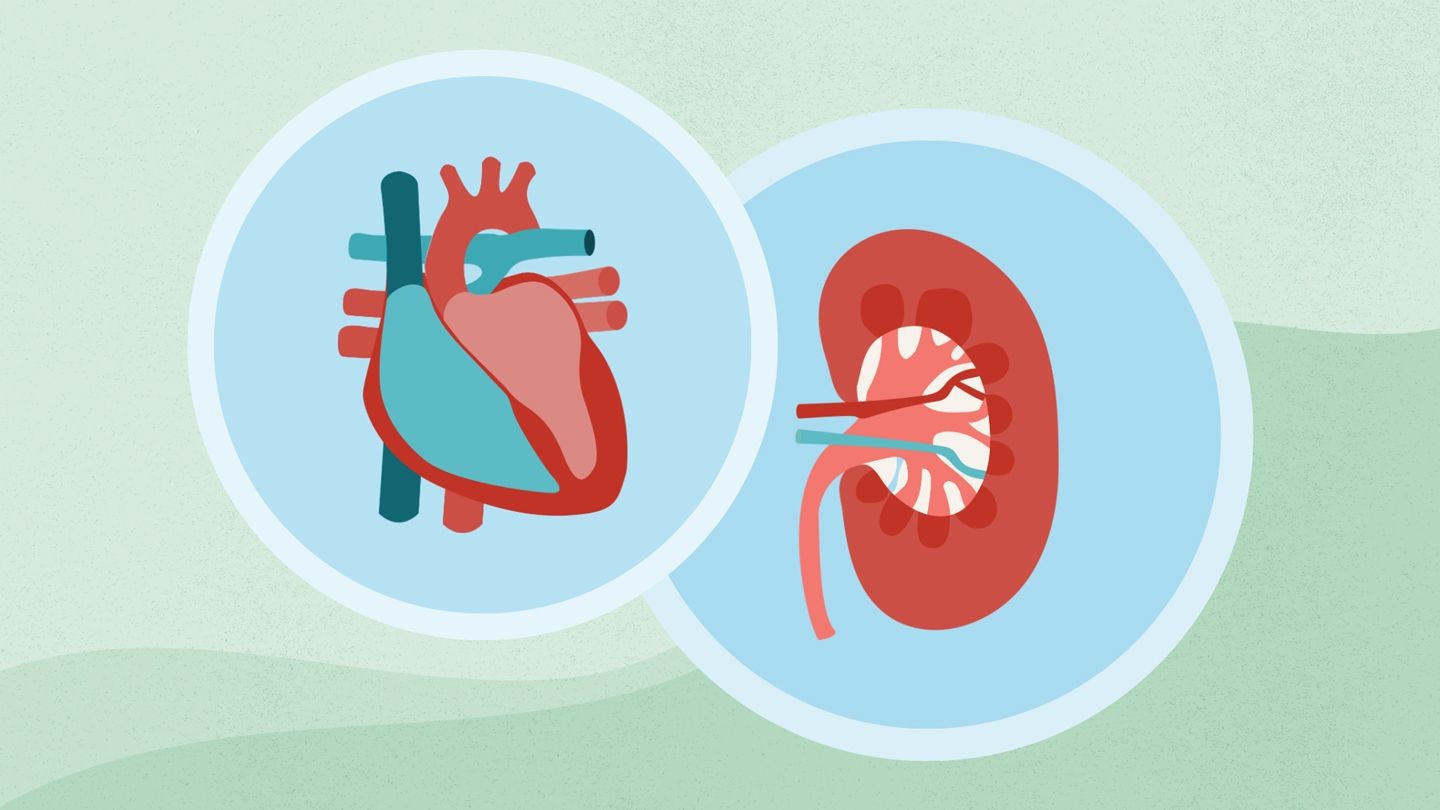
Chronic kidney disease (CKD) is not just a kidney problem; it profoundly impacts cardiovascular health, significantly increasing the risk of heart complications. The kidneys and heart operate as an interdependent system, where dysfunction in one organ often accelerates disease progression in the other. Understanding this connection is crucial for proactive long-term health management.
How Kidneys Impact the Heart
The relationship between the heart and kidneys is symbiotic. Every heartbeat delivers roughly 20% of blood to the kidneys, and in turn, the kidneys regulate vital functions that directly affect cardiac performance. These include:
- Fluid and waste removal: Healthy kidneys filter blood, preventing fluid buildup that strains the heart.
- Blood pressure control: Kidneys regulate blood pressure through sodium excretion and hormone release, influencing how hard the heart must work.
- Electrolyte balance: Maintaining crucial mineral levels supports proper heart rhythm and circulation.
When kidneys fail, fluid retention, hormonal imbalances, and mineral disturbances occur, placing excessive strain on the heart. This interconnectedness is so strong that some researchers now categorize kidney and cardiovascular disease as manifestations of a single condition: cardiovascular-kidney-metabolic syndrome. This highlights how diabetes, obesity, and high blood pressure exacerbate both conditions in a vicious cycle.
Direct Cardiovascular Strain from CKD
Several key changes in CKD directly elevate cardiovascular risk:
Fluid Overload: Damaged kidneys cannot efficiently remove excess water, leading to fluid buildup that forces the heart to pump harder. This can result in swelling, rising blood pressure, and ultimately, heart failure.
High Blood Pressure and Hormonal Shifts: Kidney dysfunction often causes uncontrolled hypertension, which thickens the heart muscle (remodeling) and damages blood vessels. The resulting atherosclerosis accelerates cholesterol plaque buildup.
Mineral Imbalances: Impaired kidney function disrupts calcium and phosphorus balance. This affects vitamin D activation, potentially causing low calcium levels and calcium deposition in blood vessels, making them stiff and increasing stroke and heart attack risk.
Anemia: CKD often leads to anemia due to reduced production of red blood cell-stimulating hormones. This deprives tissues, including the heart, of oxygen, forcing the heart to work harder.
Integrated Treatment Strategies
Protecting both kidneys and the heart requires a dual-pronged approach. Controlling shared risk factors like blood pressure, diabetes, and cholesterol is paramount. Several medications now offer combined benefits:
- SGLT2 Inhibitors: Originally for diabetes, these drugs help kidneys eliminate excess glucose and sodium.
- GLP-1 Receptor Agonists: These promote weight loss and improve blood sugar while reducing cardiovascular event risk.
- PCSK9 Inhibitors: These injectables dramatically lower LDL cholesterol, even in those already on statins.
- RAAS Inhibitors: These medications regulate blood pressure and fluid balance.
- Nonsteroidal Mineralocorticoid Receptor Antagonists: These newer drugs block inflammation and scarring in both organs.
Lifestyle changes are equally vital. Reducing sodium intake, limiting processed foods, moderating protein consumption, regular exercise, maintaining a healthy weight, and quitting smoking can significantly improve kidney and heart health.
Conclusion
The interconnectedness of chronic kidney disease and heart health is undeniable. Proactive management, including lifestyle adjustments and integrated medical treatment, is essential to mitigate cardiovascular risk and improve long-term well-being for individuals with CKD. Ignoring this connection could lead to accelerated disease progression in both organs, underscoring the importance of holistic healthcare.