


Beta-carotene, a naturally occurring pigment found in many fruits and vegetables, offers significant health advantages. From reducing chronic disease risks to boosting immunity, understanding its effects can improve well-being. This article breaks down the science-backed benefits, optimal intake, and safety considerations.
Cardiovascular Health: Protecting Against Heart Disease
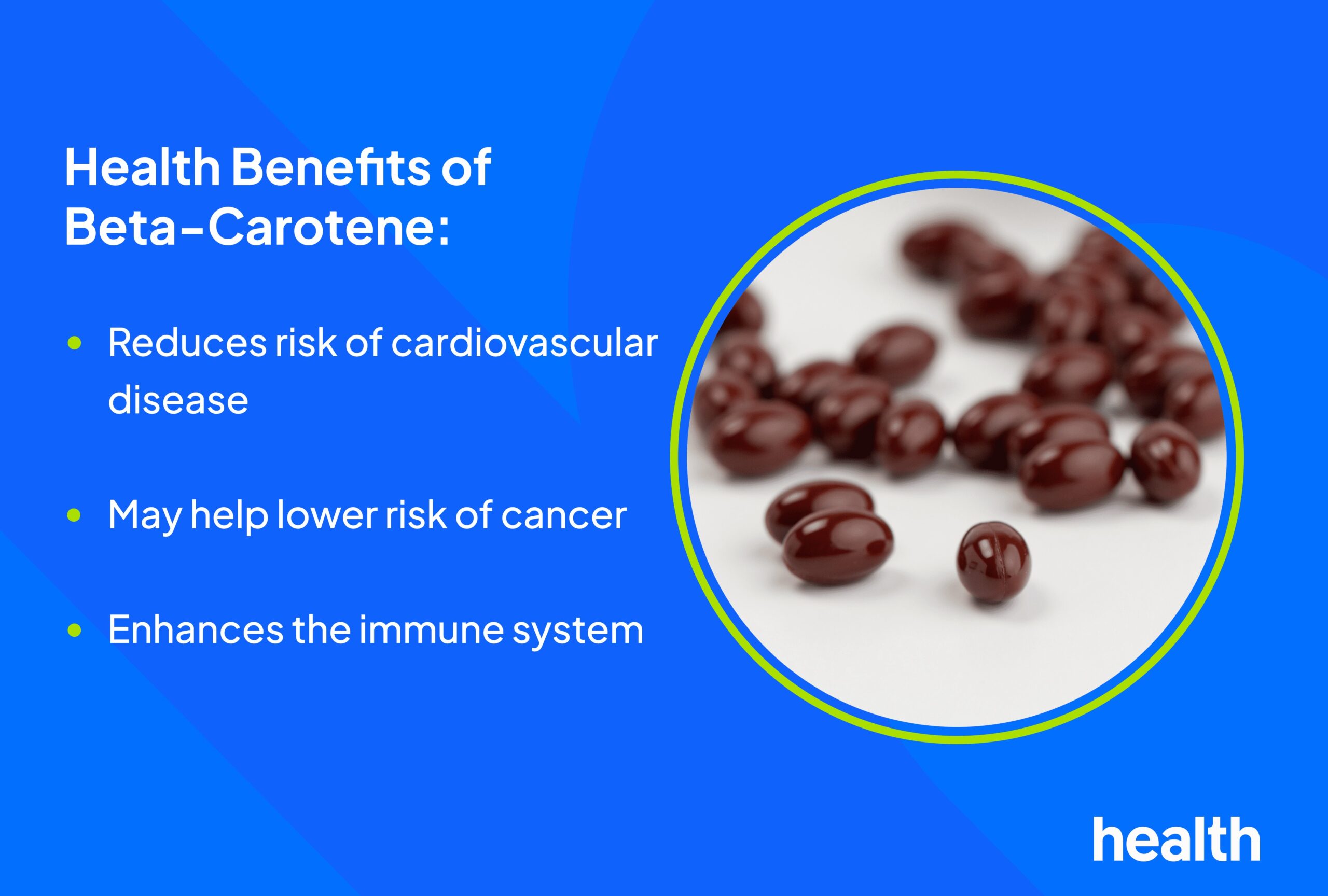
A diet rich in beta-carotene may lower the risk of cardiovascular disease by preventing LDL (“bad”) cholesterol from oxidizing. Oxidized LDL contributes to plaque buildup in arteries, leading to heart disease. Beta-carotene’s antioxidant properties combat this process, keeping arteries clear and functioning properly. This is a major reason why diets with colorful produce are recommended by cardiologists.
Vision & Age-Related Macular Degeneration (AMD)
The old wives’ tale about carrots improving eyesight has merit. Beta-carotene helps protect against AMD, a leading cause of vision loss in older adults. By slowing the progression of this chronic condition, adequate intake preserves central vision longer. While it won’t restore lost sight, it can prevent further deterioration.
Immune System Support: A Boost for Overall Health
As a provitamin A carotenoid, beta-carotene strengthens the immune system. It supports gut health, fights infections, and aids in reproductive health and growth. This makes it essential for children, pregnant women, and anyone seeking to enhance their natural defenses.
Cancer Prevention: Reducing Risk Through Antioxidant Action
Emerging research suggests beta-carotene may help lower the risk of breast, prostate, colon, and skin cancers. Its antioxidant effects neutralize free radicals, reducing cellular damage that can lead to tumor growth. While not a cure, it may be a valuable component of preventative strategies. Other antioxidants, like lycopene, may also play a role in cancer prevention.
Supplementation: Dosage and Absorption
Beta-carotene is available in tablets, liquids, capsules, and gummies. For optimal absorption, consume supplements with foods containing healthy fats (avocado, fatty fish, olive oil, nuts, seeds). This fat-soluble nutrient requires fat for effective bioavailability.
The recommended daily allowance (RDA) is 900 mcg retinol activity equivalents (RAE) for men and 700 mcg RAE for women. Most people obtain sufficient beta-carotene through diet, making supplementation unnecessary unless advised by a healthcare professional.
Safety and Potential Risks
The FDA classifies beta-carotene as “generally recognized as safe” (GRAS). However, high doses in supplements may increase lung cancer risk in smokers or those exposed to asbestos.
Caution : Beta-carotene can interact with weight-loss drugs (Xenical) and psoriasis/lymphoma medications (Soriatane, Targretin). Combining these substances can lead to dangerously high vitamin A levels.
Excessive intake can cause temporary skin yellowing (carotenemia), but it is not toxic. The FDA has not set an upper limit; staying within RDA is best.
Choosing Quality Supplements
The FDA does not regulate dietary supplements as rigorously as pharmaceuticals. Look for third-party tested products (NSF, USP) to ensure purity and accuracy of labeling. This verification helps guarantee you’re getting what you pay for.
Conclusion
Beta-carotene is a powerful antioxidant with substantial health benefits, ranging from cardiovascular protection to immune system enhancement. Consuming it through diet or carefully chosen supplements can significantly improve well-being. However, moderation and awareness of potential interactions are crucial for safe and effective use.