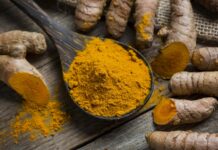




Regular turmeric consumption, particularly in supplement form, may offer modest benefits in lowering blood pressure, but the science is nuanced. While not a direct treatment, turmeric’s key compound, curcumin, acts as a potent anti-inflammatory agent, addressing underlying cardiovascular risks. This matters because chronic inflammation is a major driver of hypertension and heart disease, making this a potentially valuable, though not definitive, strategy for long-term health.
How Turmeric Influences Blood Pressure
The primary mechanism isn’t a sudden drop in readings but rather a gradual reduction in cardiovascular risk factors. Curcumin relaxes blood vessels and reduces arterial stiffness caused by oxidative stress and inflammation. Several studies indicate small improvements:
- Diastolic blood pressure may decrease by approximately 0.76 mmHg.
- Systolic blood pressure might drop by around 1.09 mmHg after eight weeks of supplementation.
- Some women saw reductions of 1.55 mmHg (systolic) and 1.73 mmHg (diastolic) over 12 weeks.
However, these effects are mild, and many studies show no significant impact, emphasizing the need for further research. The benefits are most apparent in individuals with mild hypertension, fatty liver disease, or elevated cardiovascular risk due to type 2 diabetes.
Who Might Benefit, and How Long?
Those with mild hypertension or oxidative stress could benefit from incorporating turmeric into their routine, ideally for eight to twelve weeks. Cooking with turmeric offers some advantage, but reaching medicinal doses (one to three tablespoons daily) through diet alone is impractical for most. Supplements, typically starting at 500-1,000 mg per day, may be necessary, though higher doses (up to 4,000-8,000 mg) are considered safe by the FDA.
For individuals with moderate to severe hypertension, standard medical treatments remain paramount; turmeric should be considered only as a complementary approach under a doctor’s guidance. The potential connection between turmeric consumption and reduced Alzheimer’s risk in Indian populations further highlights its broader health benefits.
Precautions and Risks
Turmeric is generally safe, but caution is advised for those on blood thinners, preparing for surgery, pregnant or breastfeeding, or with gallbladder disease. Liver health is a key concern: supplement interactions could contribute to liver dysfunction in some cases. Contamination risks are also present, so third-party tested, quality products with a verified chain of custody are essential.
Additional potential side effects include stomach upset, kidney stones, enhanced immune function (problematic for immunosuppressed individuals), and drug interactions that could lower blood sugar or thin the blood.
While turmeric shows promise in managing blood pressure through its anti-inflammatory effects, it’s not a standalone solution. A holistic approach involving lifestyle adjustments and medical supervision remains critical for optimal cardiovascular health.