

The prevalence of digestive disorders like diverticulitis and ulcerative colitis is rising, prompting increased interest in dietary management. These conditions – inflammation of digestive pouches (diverticulitis) and chronic colon inflammation (ulcerative colitis) – significantly impact quality of life, and dietary choices play a central role in both symptom control and prevention.
Understanding Diverticulitis and Ulcerative Colitis
Diverticulitis develops when small pouches (diverticula) in the colon become inflamed or infected. Symptoms include abdominal pain, fever, nausea, and changes in bowel habits. The sigmoid colon, a lower portion of the large intestine, is most prone to developing these pouches. Treatment ranges from antibiotics and bowel rest to, in severe cases, surgery. Prevention involves a high-fiber diet to reduce straining during bowel movements.
Ulcerative colitis is a chronic inflammatory bowel disease (IBD) causing inflammation and ulcers in the colon and rectum. Symptoms include bloody stool, abdominal pain, urgent bowel movements, and weight loss. Flare-ups can be debilitating. Dietary modifications are key to reducing symptoms during flares and maintaining remission.
Dietary Strategies for Diverticulitis
Historically, low-fiber diets were recommended for diverticulitis flares. However, current research suggests that consistent high-fiber intake is protective, reducing the risk of diverticula formation and complications.
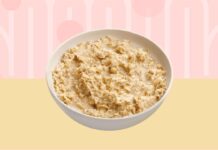
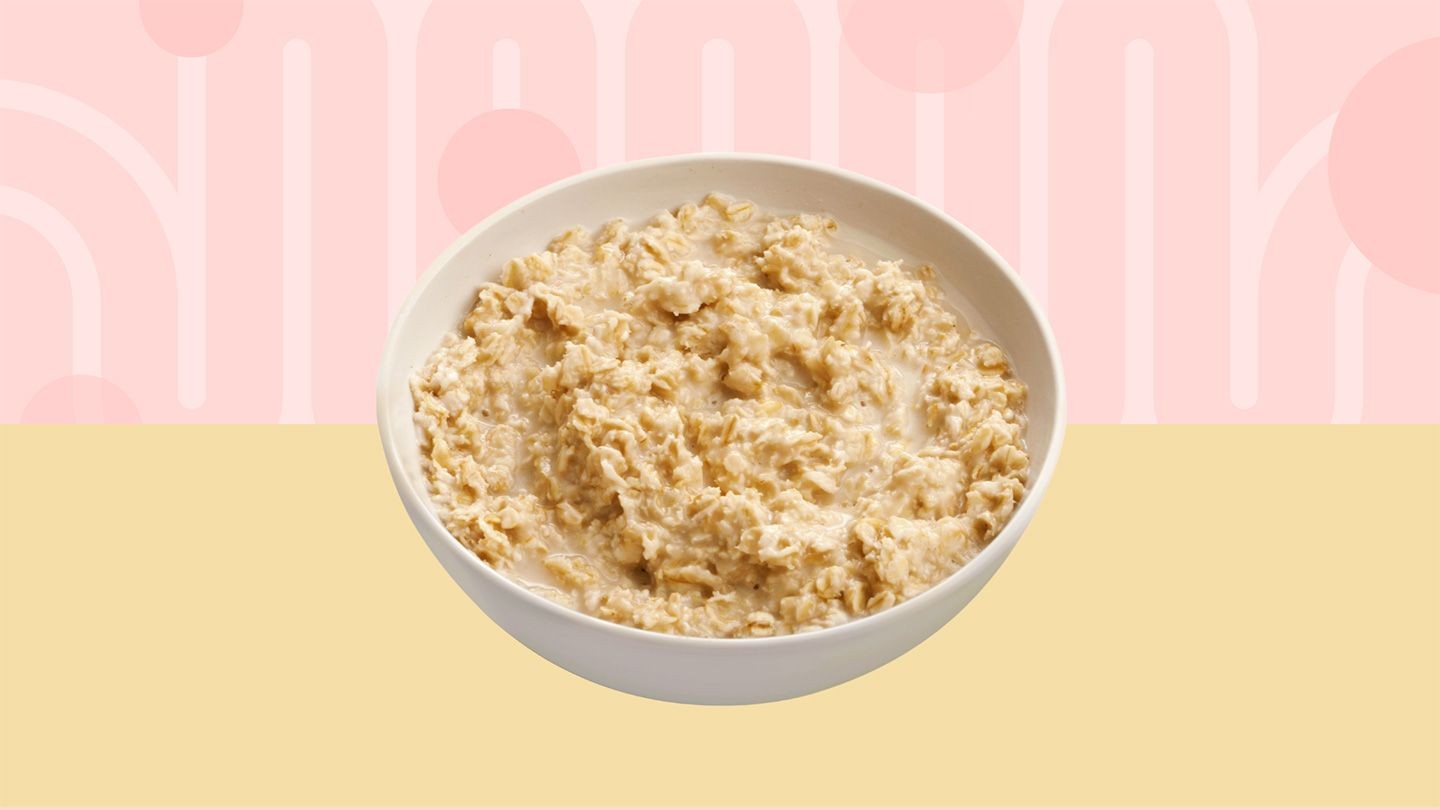
- Foods to include: Oatmeal, well-cooked vegetables (broccoli, spinach, carrots), fruits with edible skins (apples, pears), lean proteins, and adequate hydration.
- Foods to avoid during flares: Red meat, high-fat foods, processed foods, and foods known to trigger personal discomfort.
The question of whether chocolate exacerbates diverticulitis remains debated; no conclusive evidence exists. Quinoa, a gluten-free grain, is generally safe for those with diverticulosis (pouches without inflammation) but should be monitored for individual tolerance.
Dietary Strategies for Ulcerative Colitis
Ulcerative colitis requires a more nuanced approach. A low-residue diet can reduce bowel movements during flares, but it’s not a long-term solution.
- Best vegetables: Cooked carrots, zucchini, squash, and spinach are generally well-tolerated.
- Foods to avoid during flares: Dairy, high-sugar foods, caffeine, alcohol, spicy foods, and raw vegetables.
- Meal planning: A 7-day meal plan tailored to ulcerative colitis should emphasize easily digestible foods, with gradual reintroduction of fiber as symptoms subside.
Embarrassing symptoms like urgent diarrhea and abdominal cramping can be eased by avoiding trigger foods and maintaining consistent hydration.
Treatment and Complications
For diverticulitis, treatment options include antibiotics, liquid diets, and surgery for severe cases like perforation or abscess formation. Complications include bleeding, bowel obstruction, and peritonitis. Ulcerative colitis requires long-term management with medications like anti-inflammatory drugs and immunosuppressants; complications include severe bleeding, toxic megacolon, and increased cancer risk.
Conclusion
Effective management of diverticulitis and ulcerative colitis depends on personalized dietary strategies combined with medical treatment. A high-fiber diet is generally beneficial for preventing diverticulitis, while ulcerative colitis requires careful avoidance of trigger foods during flares and a long-term plan to minimize inflammation and improve quality of life. Consistent monitoring and collaboration with a healthcare professional are crucial for optimal outcomes.