



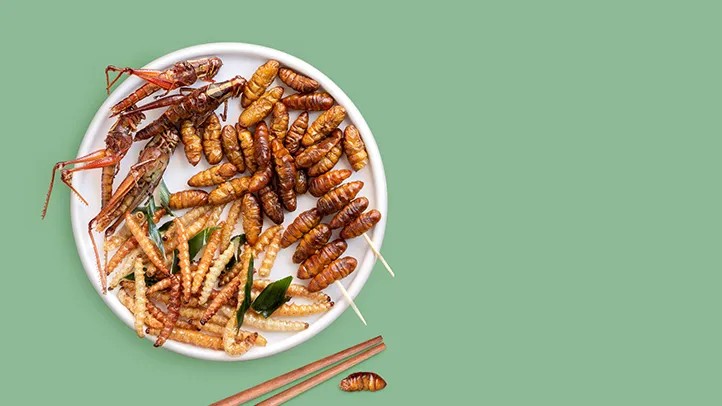
While the idea of eating insects—known scientifically as entomophagy —might trigger a “disgust reflex” in many Westerners, it is a culinary staple for much of the world. From Asia and Africa to South America, insects have provided vital nutrition for centuries.
Today, however, the conversation is shifting. Entomophagy is no longer just a cultural tradition; it is being positioned as a critical solution to the looming global food crisis. As the world population heads toward an estimated 9 billion by 2050, our current methods of food production are reaching their limits.
Why Insects Are a Nutritional Powerhouse
It is easy to overlook the nutritional density of such small creatures, but biology tells a different story. To power the rapid movements of a grasshopper or the flight of a bee, insects require immense energy and muscle development. When consumed, that energy translates into high-quality nutrients for humans.
According to experts like Dr. Sujaya Rao, an entomology professor emeritus at the University of Minnesota, insects offer several key advantages:
- High Protein Content: On average, many insect species consist of about 60% protein by dry weight. This can exceed the protein density found in many plant sources like lentils or soybeans, and in some cases, even meat and eggs.
- Healthy Fats: Insects are rich in unsaturated fats, which are generally considered heart-healthy compared to the saturated fats found in many land animals.
- Essential Minerals: They serve as a concentrated source of vital minerals, including iron, zinc, calcium, and magnesium.
A Sustainable Solution for a Growing Planet
The push toward insect consumption is driven as much by environmental necessity as it is by nutrition. The Food and Agriculture Organization of the United Nations (FAO) highlights that traditional livestock farming—particularly cattle—places immense strain on our planet.
Insects offer a more sustainable alternative because they require:
– Significantly less land to raise.
– Minimal water consumption compared to traditional livestock.
– Less feed to reach maturity.
By utilizing small-scale, controlled environments to raise insects on organic feed, we can create a highly efficient food system that helps mitigate the effects of climate change and resource scarcity.
Getting Started: Five Insects to Explore
For those hesitant to jump in, the modern food industry is making the transition easier through insect flours and processed products like protein bars, which mask the texture and appearance of the insects.
If you are ready to experiment, here are five common edible insects and their unique profiles:
1. Crickets
The “entry-level” insect for many. They are highly versatile and can be consumed as a whole snack or ground into a fine powder. Notably, crickets contain chitin, a compound that acts as a prebiotic to support healthy gut bacteria.
2. Mealworms
Highly adaptable in the kitchen, mealworms can be steamed, boiled, pan-fried, or even roasted. Research suggests that when broiled, they can even take on a pleasant, steamed-corn aroma.
3. Termites
While they are pests in a home setting, in the culinary world, they are a mineral goldmine. Termites are exceptionally high in manganese, a mineral essential for bone health and immune function, though they should be consumed in moderation due to their high concentration.
4. Grasshoppers
A staple in Mexican cuisine (known as chapulines ), grasshoppers are a great source of antioxidants and vitamins A, B2, and B3. They are typically prepared by removing the wings and legs before being used in tacos or as garnishes.
5. Cicadas
Often described as tasting similar to shrimp, cicadas are a high-protein, low-fat option.
⚠️ Important Safety Note: Because cicadas are biologically related to crustaceans, individuals with shellfish allergies should avoid them. Additionally, pregnant women or those with gout should exercise caution due to potential mercury content.
Conclusion
As global resources tighten, entomophagy offers a scientifically backed path toward a more sustainable and nutritious food supply. Whether through processed powders or whole snacks, insects represent a practical bridge between traditional wisdom and future necessity.