

Vitamin D is crucial for bone health, mood regulation, and immune function. However, simply taking a vitamin D supplement isn’t enough. Because it’s a fat-soluble vitamin, your body absorbs it most effectively when consumed with dietary fats. This means pairing your supplement with the right foods can dramatically increase its benefits. Here’s a breakdown of the best choices, why they work, and what to avoid.
Why Fat Matters for Vitamin D
Vitamin D doesn’t dissolve in water; it dissolves in fat. When you eat fat alongside your supplement, your gut absorbs the vitamin much more efficiently. Studies confirm this: one 2015 study found that vitamin D3 absorption was 32% higher when taken with a fatty meal compared to a fat-free one. The type of fat doesn’t seem to matter as much as the presence of fat itself.
Top 5 Foods to Boost Vitamin D Absorption
Here are the best dietary pairings to maximize your vitamin D intake:
1. Fatty Fish: Nature’s Vitamin D Boosters
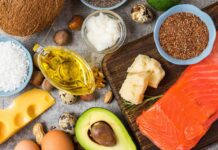
Fatty fish such as salmon, tuna, and mackerel are excellent choices. They not only contain heart-healthy fats that aid absorption but also often contain vitamin D naturally. This creates a synergistic effect—you get the supplement and a food source working together.
2. Olive Oil: The Mediterranean Secret
Olive oil, particularly extra virgin, is a cornerstone of the heart-healthy Mediterranean diet. Its monounsaturated fats improve gut health, deliver antioxidants, and lower heart disease risk—all while helping your body absorb vitamin D effectively. Consider cooking meals in olive oil when taking your supplement or even choosing softgel supplements already formulated with olive oil.
3. Nuts and Seeds: Nutrient-Packed Helpers
Nuts and seeds provide a convenient dose of healthy fats, vitamins, fiber, and antioxidants. Walnuts, almonds, cashews, sunflower seeds, and chia seeds are all good options. Nut butters (peanut, almond) can also be effective. While the exact fat content varies, unsaturated fats are generally considered healthier ; consult a healthcare professional if you have specific dietary needs.
4. Avocado: The Creamy Absorption Aid
Avocados are rich in vitamins, nutrients, and unsaturated fats. These fats support healthy cholesterol levels and enhance vitamin absorption. Regular avocado consumption is linked to cardiovascular health, weight management, and healthy aging.
5. Full-Fat Dairy: A Classic Pairing
Full-fat dairy products (whole milk, cheese, yogurt) contain natural fats that boost vitamin D absorption. Many dairy products are also fortified with vitamin D, creating a double benefit. Some research suggests whole-fat dairy may even support heart health.
Foods That Reduce Vitamin D Absorption
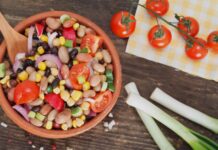
High-fiber foods can interfere with vitamin D absorption. Fiber speeds up digestion, reducing the time your body has to absorb nutrients. A 2017 study showed that individuals consuming at least 20 grams of fiber daily had lower vitamin D levels. If you consume a high-fiber diet, space out your vitamin D intake and fiber-rich meals.
Other Supplements to Consider
Certain supplements can also lower vitamin D absorption. High doses of vitamin E, vitamin K, iron, or calcium may interfere with the process. If you take these supplements regularly, discuss them with your doctor to ensure optimal vitamin D levels.
Prioritizing dietary fat intake alongside vitamin D supplementation is a simple yet powerful strategy for maximizing its benefits. By choosing the right foods, you can ensure your body effectively utilizes this essential nutrient for better overall health.