




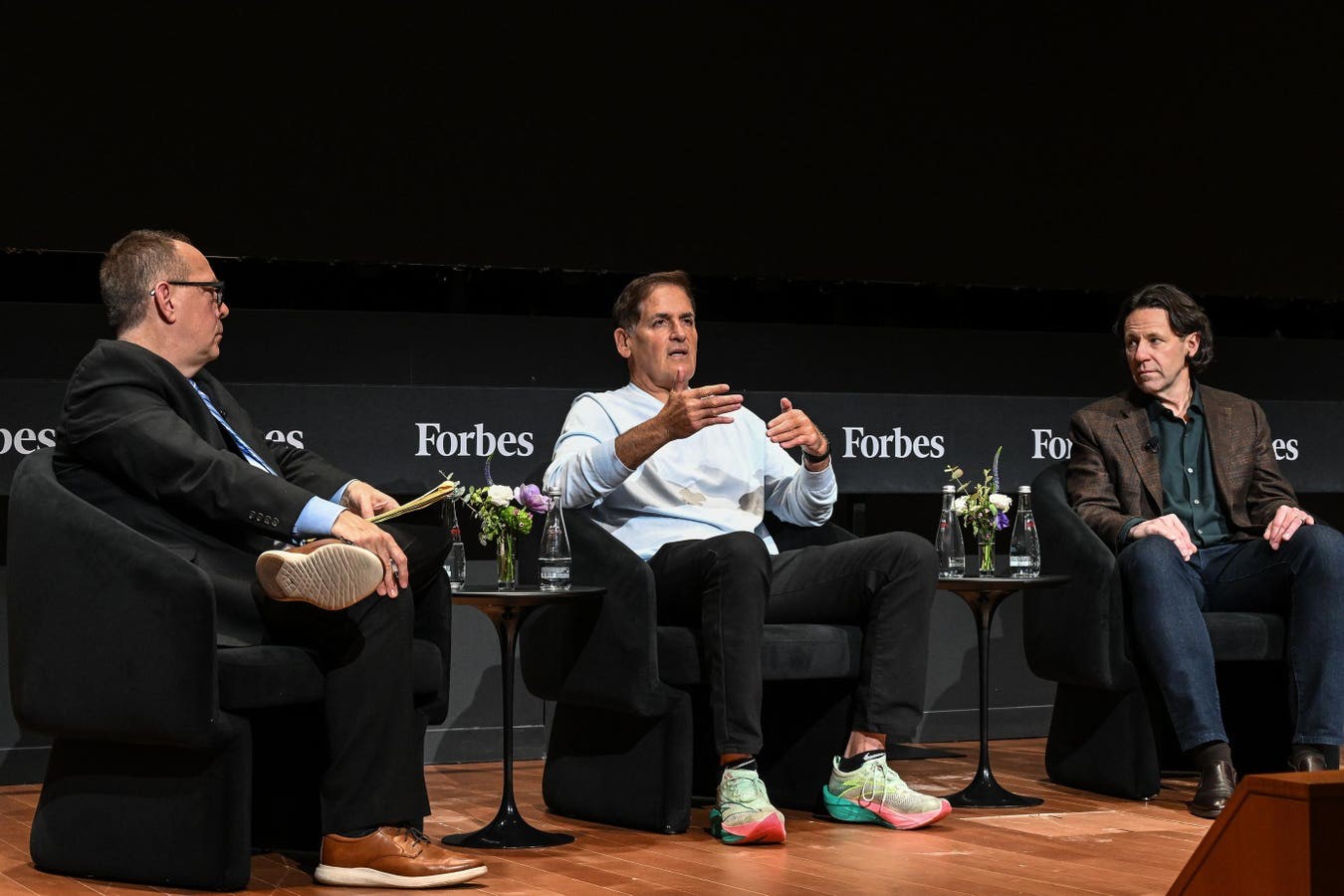
The U.S. prescription drug market is notoriously opaque and expensive, but a growing partnership between entrepreneur Mark Cuban and healthcare giant Humana is aiming to disrupt the status quo with radical transparency. At the Forbes Healthcare Summit, Cuban laid out his company’s strategy in stark terms: direct pricing, minimal markup, and straightforward shipping costs. This contrasts sharply with traditional Pharmacy Benefit Managers (PBMs), which often obscure pricing and profit from complex rebates, leaving consumers and employers overpaying.
The Problem with Traditional PBMs
For decades, established PBMs have dominated the market, leveraging their scale to negotiate drug prices and manage patient care. They tout “whole person” solutions through extensive networks and data analysis, but critics argue that this complexity hides inflated costs and conflicts of interest. PBMs profit from opaque deals with drug manufacturers, often pocketing rebates instead of passing savings on to consumers.
Cuban’s Cost Plus Drugs bypasses this system entirely. His model is brutally simple: list the actual cost of the drug, add a 15% markup, and charge $5 for shipping. This transparency forces competitors to justify their higher prices, creating immediate pressure for change.
Humana’s Unexpected Partnership
Humana, one of the largest health insurers in the U.S., is now partnering with Cost Plus Drugs to offer a direct-to-employer solution that cuts out the middleman. While Humana is known for Medicare Advantage plans, their CenterWell pharmacy business is looking to reshape healthcare delivery. According to Humana executive Bruce Rechtin, the traditional pharmacy model lacks cost efficiency and affordability.
“We basically looked at the traditional (pharmacy benefit) model and we said we are not getting the cost efficiency [and] the affordability that we need,” Rechtin said.
The partnership will initially target employers who shoulder the bulk of prescription costs, offering them a clear alternative to opaque PBM contracts. The key is demand from large employers willing to push for a more transparent system, bypassing decades-old practices that prioritize profit over patient access.
Why This Matters
The timing of this disruption couldn’t be better. Health insurance costs are soaring, driven by new, expensive drugs like GLP-1s for obesity. Meanwhile, PBMs are under scrutiny for their lack of transparency. Cuban and Humana’s approach isn’t just about lower prices; it’s about fundamentally changing how drugs are bought and sold.
Their model strips away layers of unnecessary intermediaries, forcing the industry to confront its own inefficiencies. The question now is whether enough employers will demand change, creating a tipping point that forces the entire system to adapt.
The partnership between Cuban and Humana represents a bold bet that transparency and simplicity can overcome entrenched interests in the pharmaceutical industry. If successful, it could reshape prescription drug pricing for millions of Americans.