


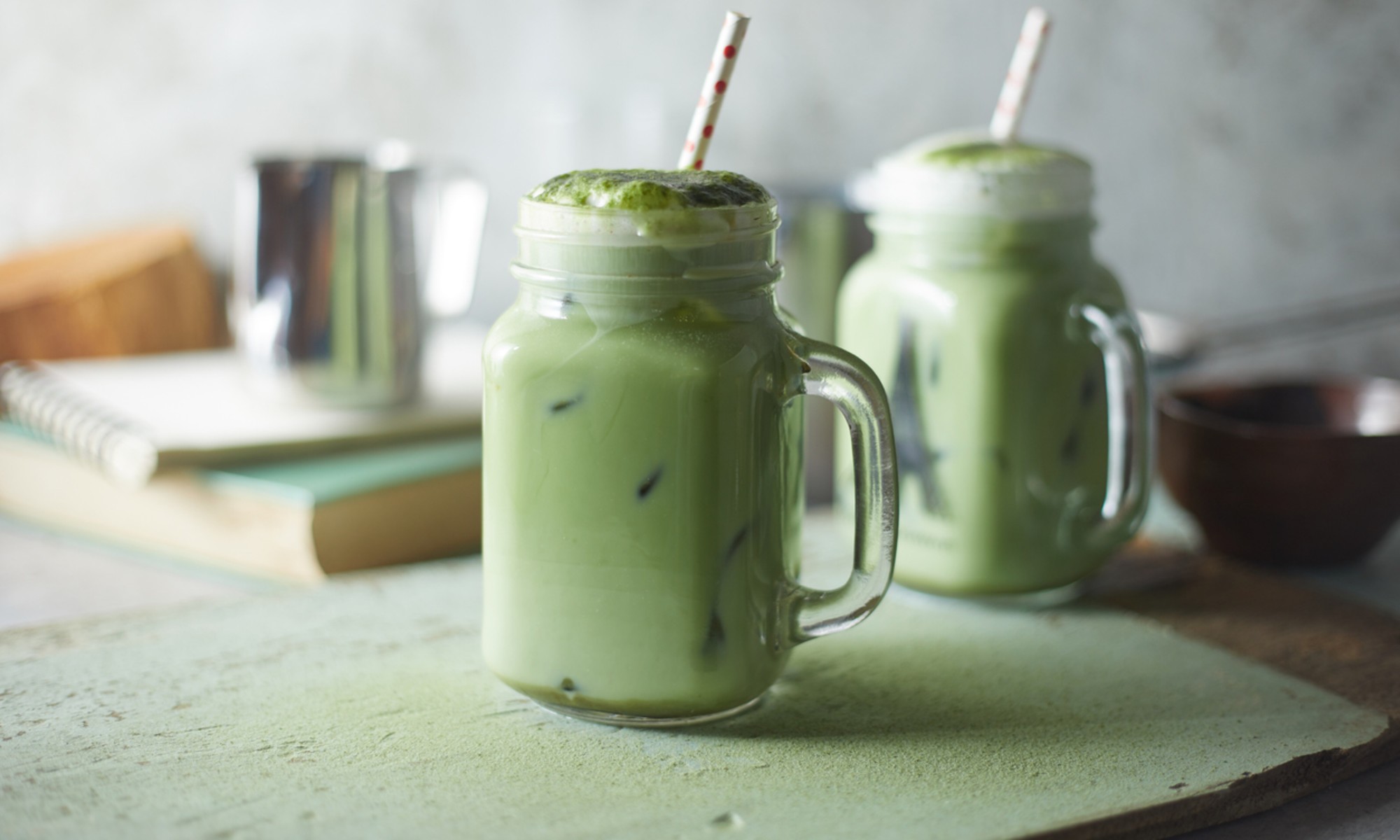
Matcha, the vibrant green powder whisked into a frothy drink, has surged in popularity beyond its traditional Japanese roots. But what makes this tea so special, and why are health experts and everyday consumers alike drawn to it? This article breaks down the benefits of matcha, its caffeine content, and creative ways to incorporate it into your routine.
What is Matcha?
Matcha isn’t just another green tea. It’s made by grinding shade-grown tea leaves into a fine powder, preserving the plant’s full nutritional profile. Unlike steeping tea leaves and discarding them, matcha allows you to consume the entire leaf, maximizing its benefits. The shade-growing process increases levels of theanine, antioxidants, and caffeine, creating a unique experience.
As dietitian Asako Miyashita explains, the key to a delicious cup is slow brewing at a low temperature. The taste is often described as grassy and bitter, but high-quality matcha offers a subtle sweetness and umami flavor.
Caffeine Content: A Balanced Boost
A typical cup of matcha contains around 30-40 milligrams of caffeine, sometimes more depending on the brand. This is higher than most green teas but lower than coffee (which averages 91.8 mg per cup). However, matcha’s caffeine is different. It’s paired with L-theanine, an amino acid that promotes relaxation and mental clarity. This combination delivers a sustained energy boost without the jitters often associated with coffee. Some Japanese dietitians even drink matcha before bed to calm their minds.
The Science-Backed Health Benefits
Matcha isn’t just a trendy drink; it’s a nutritional powerhouse. Here are five key benefits:
- Antioxidant Rich: Matcha is packed with catechins, particularly epigallocatechin gallate (EGCG), which are potent antioxidants that fight free radicals and reduce inflammation.
- Cognitive Enhancement: The combination of theanine and caffeine improves focus, attention, and reaction rates. Studies suggest it can even benefit older adults by enhancing cognitive function.
- Cardiovascular Health: EGCG and rutin in matcha may protect against heart disease by reducing oxidative stress and strengthening blood vessels. Though more research is needed, daily green tea consumption has been linked to lower LDL cholesterol levels.
- Potential Anticancer Properties: Phenolic acids in matcha may inhibit cancer cell growth and prevent metastasis. EGCG could even help reduce the risk of certain cancers by preventing tumor blood vessel formation.
- Metabolic Support: Matcha may help regulate fat and carbohydrate digestion, potentially aiding in weight management. Some studies show it can enhance fat oxidation during exercise.
Potential Side Effects and Considerations
While matcha is generally safe, some may experience side effects. Consuming it on an empty stomach can cause nausea. Lower-quality matcha may contain more tannins, potentially leading to stomach upset or overstimulation.
Matcha also contains tannins that may interfere with iron absorption and oxalates that could trigger kidney stones in sensitive individuals.
How to Prepare Matcha: Traditional and Creative Methods
Traditionally, matcha is whisked with hot water using a bamboo whisk (chasen) to create a frothy drink. If you don’t have a chasen, you can use a mason jar to shake the powder with water. Sifting the matcha beforehand helps prevent clumps.
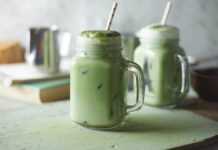
Beyond the classic preparation, matcha can be added to smoothies, lattes, or baked goods. Functional nutrition expert Michiko Tomioka suggests that taking the time to prepare matcha traditionally enhances its flavor and aroma.
Matcha Latte Recipe (Courtesy of Asako Miyashita)
- 1.5-2 teaspoons (3-4 grams) matcha powder
- 30-40 milliliters water at 80-90°C (176-194°F)
- 200-250 milliliters milk or plant-based milk
- Optional sweetener or spices
Combine matcha and hot water, whisk until smooth. Add warm milk and froth if desired.
Choosing the Right Matcha
Matcha comes in two main grades: ceremonial and culinary. Ceremonial-grade is higher quality, ideal for daily sipping, while culinary-grade is best for lattes or baking. Look for organic, chemical-free options when shopping.
In conclusion, matcha is more than just a trendy beverage; it’s a nutrient-rich tea with science-backed health benefits. Whether enjoyed traditionally or creatively, incorporating matcha into your routine can be both delicious and beneficial for your well-being.