



Nearly 6.5 million Americans over 40 live with peripheral artery disease (PAD), a condition where arteries in the legs narrow, often leading to reduced mobility and a lower quality of life. The good news is that regular exercise can dramatically slow PAD’s progression, improve circulation, and even reverse early symptoms. Movement isn’t just treatment; it’s the key to staying active and pain-free.
This guide provides a practical roadmap for preventing or managing PAD through exercise, diet, and lifestyle changes. Ignoring PAD can lead to a vicious cycle: less movement causes more pain, discouraging walking, and worsening the condition.
Why PAD Requires Action
PAD isn’t just poor circulation; it’s a progressive disease restricting blood flow to the legs, causing pain while walking (claudication), numbness, and slow-healing wounds. While medication and advanced procedures are essential in severe cases, consistent exercise is the most effective non-invasive first-line treatment.
Top Exercises for Better Circulation
A structured routine helps muscles use oxygen efficiently and encourages the development of new blood vessels. These exercises are safe, proven, and adaptable:
-
Supervised Walking Therapy: The cornerstone of PAD prevention. Walk at a pace that induces mild discomfort, then rest. Repeat for 30-50 minutes, 3-4 times a week. Studies show 6 months of therapy can improve walking distance by over 50%.
-
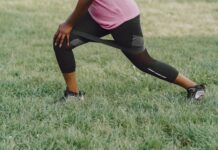
Resistance Training: Use light weights or resistance bands to build endurance in the legs. Combine with walking for optimal results.
-
Dynamic Stretching and Yoga: Improves mobility, blood flow, and reduces tension. Chair yoga is ideal for those with balance concerns.
-
Cycling and Low-Impact Cardio: Protects joints while enhancing circulation. Stationary bikes or aquatic aerobics are gentle yet effective options.
Lifestyle Changes for Vascular Health
Exercise works best with supporting lifestyle changes:
- Heart-Healthy Diet: A Mediterranean diet (leafy greens, olive oil, fish, nuts, whole grains) reduces arterial stiffness and inflammation. Limit processed sugars and saturated fats to prevent plaque buildup.
- Quit Smoking: Tobacco use accelerates arterial narrowing. Quitting reduces complication risk by half within a year.
- Manage Chronic Conditions: Diabetes and hormonal imbalances can affect circulation. Hormone replacement therapy might support health in some cases.
- Minimize Stress and Maximize Sleep: Cortisol increases inflammation. Prioritize mindfulness, restful sleep, and supportive relationships for sustained cardiovascular health.
When to Seek Medical Help
Persistent leg pain despite exercise, or sores that don’t heal, requires professional evaluation. Advanced PAD cases may need angioplasty, stenting, or bypass surgery. Combining personalized treatment with prevention is the most effective approach. Facilities specializing in podiatry services can assess gait, circulation, and wound healing.
The power to improve circulation and reclaim mobility starts with informed action. Through consistent exercise, lifestyle adjustments, and expert care, you can keep your legs and life moving forward.