



Obstructive sleep apnea (OSA) is more than just a sleep disorder; it’s a significant risk factor for cognitive decline. Untreated OSA disrupts brain function, leading to short-term issues like brain fog and long-term risks such as dementia. However, effective treatment can protect and even restore brain health, improving memory, focus, and overall cognitive performance.
How OSA Impacts the Brain
OSA occurs when throat muscles relax during sleep, repeatedly interrupting breathing and reducing oxygen levels. The brain responds by briefly waking you up—often dozens of times per hour—to restart breathing. While you may not remember these interruptions, they severely disrupt deep, restorative sleep.
Over time, chronic oxygen deprivation and sleep fragmentation cause measurable changes in the brain. Studies show that people with OSA have a smaller hippocampus (critical for memory) and precuneus (involved in self-awareness) compared to those without the condition. These structural differences contribute to impaired memory formation and recall.
Furthermore, OSA damages the brain’s white matter—the connective tissue responsible for communication between regions. Severe OSA (more than 30 interruptions per hour) is linked to increased white matter damage, raising the risk of stroke and dementia.
Short-Term Consequences: Brain Fog and Beyond
OSA significantly impacts executive function—the brain’s control center for planning, decision-making, and emotional regulation. Individuals with OSA often experience memory impairment, reduced concentration, and “brain fog,” making it difficult to focus and perform daily tasks.
The risks extend beyond cognitive impairment: untreated OSA increases the likelihood of accidents (17% higher risk of auto accidents) and job loss (2.5 times more likely to lose employment involuntarily). This is due to daytime sleepiness and impaired cognitive function.
Treatment: Immediate and Long-Term Benefits
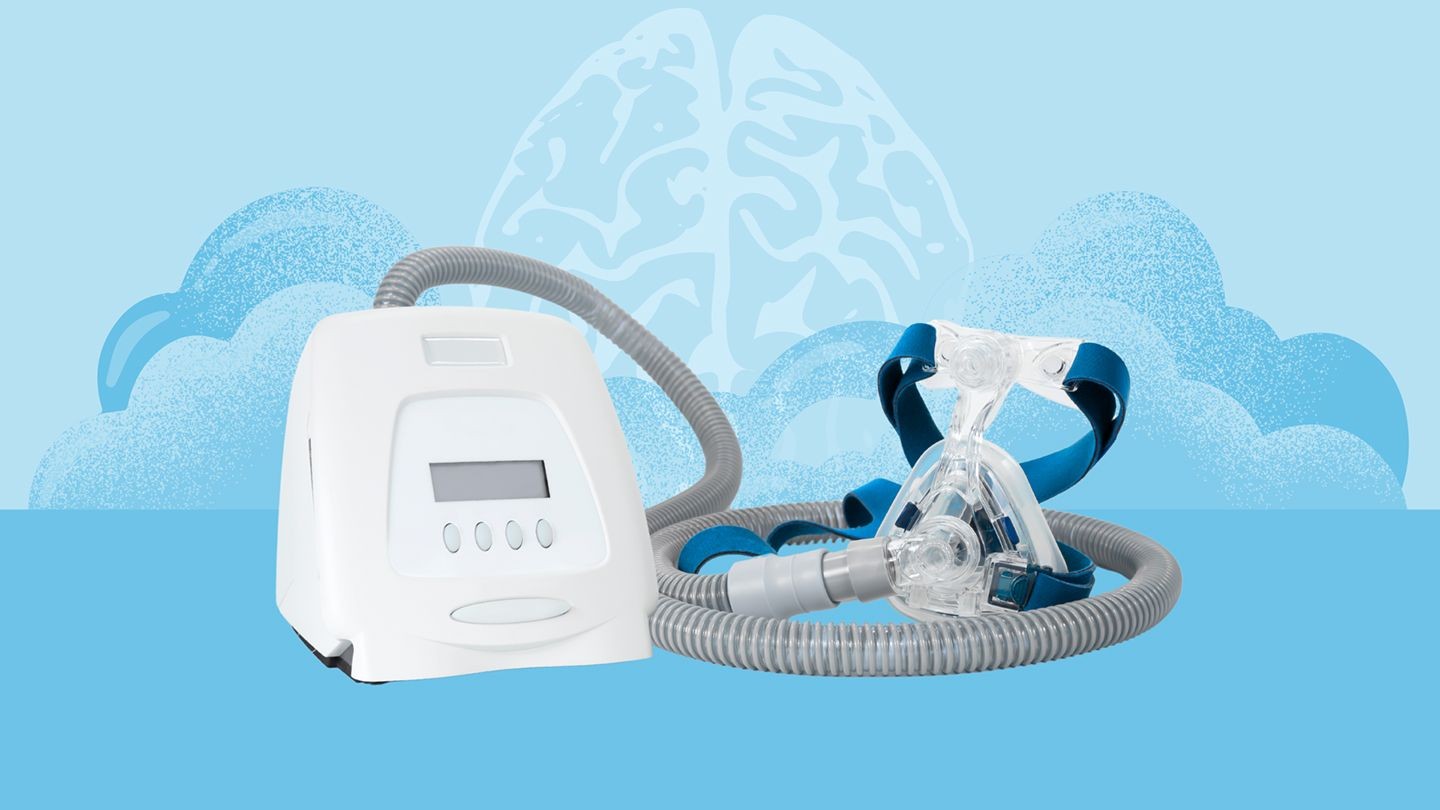
Fortunately, OSA is treatable. Continuous positive airway pressure (CPAP) therapy is the most common and effective method, providing immediate benefits within weeks. Patients typically report improved alertness, sharper thinking, and better long-term memory.
Within one to three months, CPAP can also enhance overall sleep quality, attention span, and mood stability, even alleviating symptoms of depression. Other treatments—including oral appliances, weight loss medications (like tirzepatide), nerve stimulation, and surgery—may also offer cognitive benefits.
For example, oral appliances can improve thinking speed and alertness in mild-to-moderate cases, while FDA-approved weight loss drugs like tirzepatide may reduce OSA severity and protect cognitive function. Surgical interventions can also lessen daytime sleepiness and its cognitive effects.
Long-term treatment (consistent CPAP use for over 20 years) can eliminate the added dementia risk associated with OSA. While more research is needed, the evidence suggests that treating OSA is far better than leaving it untreated.
Maximizing Cognitive Gains
Sustained adherence to treatment is key. About half of CPAP-prescribed patients stop using the device within two years, diminishing its benefits. However, consistent use lowers the risk of heart issues and other complications.
Beyond treatment, protect your brain health with these habits:
- Stay Engaged: Challenge your brain with new skills, routes, or activities to build new connections.
- Exercise Regularly: Daily physical activity improves blood flow to the brain and strengthens neural connections.
- Prioritize Sleep: Aim for seven to nine hours of quality sleep per night for optimal brain repair.
- Eat a Healthy Diet: Include brain-boosting nutrients like vitamin E, B vitamins, and omega-3 fatty acids from leafy greens, fatty fish, nuts, and berries.
- Limit Alcohol and Avoid Smoking: Both worsen OSA and impair cognitive function.
Treating sleep apnea in any effective way is better than leaving it untreated.
Obstructive sleep apnea is a serious condition that can interfere with brain restoration. Early detection and treatment are critical for protecting cognitive function and preventing long-term decline. By prioritizing sleep health and adopting proactive lifestyle changes, you can safeguard your brain and maintain optimal mental performance.