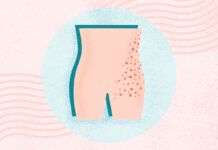




Shingles, also known as herpes zoster, is a painful condition that arises from the reactivation of the varicella-zoster virus (VZV) – the same virus responsible for chickenpox. While not typically life-threatening, shingles can cause significant discomfort and, in some cases, long-term complications. Understanding how it develops, why it happens, and how to prevent it is crucial for those who have had chickenpox, as nearly everyone exposed to the virus is at risk.
How Shingles Develops: From Chickenpox to Nerve Pain
The VZV virus remains dormant in the body for decades after a chickenpox infection, residing within nerve cells. Under certain conditions, this virus can reactivate, traveling along nerve pathways to the skin and causing a characteristic painful rash. This reactivation is not random; it’s linked to weakening of the immune system as people age or due to underlying health conditions.
The process unfolds in stages:
- Dormancy: The VZV virus lies inactive in spinal or cranial nerves after a chickenpox infection.
- Reactivation: The virus reactivates, often due to age-related immune decline, stress, or other factors that suppress immunity.
- Nerve Travel: The reactivated virus travels along nerve pathways to the skin.
- Rash Formation: A painful, blistering rash develops, typically on one side of the body.
Identifying Shingles: Symptoms and Diagnosis
Shingles often begins with pain, itching, or tingling in a localized area before the rash appears. This early discomfort can be misleading, as it may mimic other conditions. Flu-like symptoms like fever, headache, and chills can also precede the rash. The rash itself usually appears as a strip of blisters on the torso, but can occur anywhere on the body, including the face, legs, or genitals.
Neuropathic pain is a hallmark symptom. This burning, stabbing pain can be so intense that even light touch or sunlight triggers discomfort.
Diagnosis is usually clinical: a doctor can identify shingles based on the rash’s appearance. If the rash is atypical or absent, a lab test (PCR) can detect VZV DNA in skin samples. It’s important to distinguish shingles from other conditions, like cold sores (herpes simplex) or skin infections.
Who’s at Risk and How to Prevent Shingles
Anyone who has had chickenpox can develop shingles. However, certain factors increase your risk:
- Age: The risk rises significantly after age 50.
- Weakened Immunity: Conditions like cancer, HIV/AIDS, or immunosuppressive medications increase susceptibility.
- Stress: While not a direct cause, stress can weaken the immune system, potentially triggering reactivation.
Prevention is possible through vaccination:
The Shingrix vaccine is highly effective and recommended for adults age 50 and over, or 19 and older with compromised immunity. The older Zostavax vaccine is no longer available. Vaccination significantly reduces the risk of shingles and its complications.
Complications and Long-Term Effects
Most shingles rashes heal within two to four weeks. However, approximately 10-18% of people develop postherpetic neuralgia (PHN), a persistent nerve pain that can last for months or years. Other rare complications include eye damage (potentially leading to vision loss), bacterial infections of the rash, pneumonia, and, in extremely rare cases, death.
Staying Contagious and Spreading the Virus
Shingles itself is not contagious. However, the virus can spread to people who have never had chickenpox or the vaccine through direct contact with open blisters. Keep the rash covered, avoid touching it, and wash your hands frequently to prevent transmission.
In conclusion, shingles is a painful but preventable viral reactivation. Vaccination is the most effective way to protect yourself, and early diagnosis and treatment can minimize complications. If you’ve had chickenpox, knowing the signs and symptoms of shingles is essential for proactive health management.